Month: September 2020
-
Rubbaboo
Although you will not find a recipe for pemmican in The Joy of Cooking, generations of grade seven history texts, recounting how this Native American food kept the early explorers alive, have made the word pemmican familiar to all Canadians. In contrast, rubbaboo, a stew made by boiling pemmican in water with a little flour,…
-
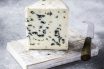
Roquefort
This cheese takes its name from the place it is made, Roquefort, in southwest France. As the name of a cheese, the word first appears in English in the early nineteenth century, but of course the name of the village is much older: the place takes its name from two Old French words literally meaning…
-

Romano cheese
The strong-tasting, hard cheese known as Romano and the long-leafed lettuce known as romaine both originated in Italy, both came to be known in English in the early twentieth century, and both have names that mean Roman; the words differ slightly in spelling, however, because Romano is Italian (and masculine in gender) while romaine is…
-
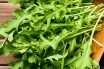
Rocket
Many of the herbs found in an English kitchen four hundred years ago would seem unfamiliar to North American cooks today. For example, A New Booke of Cookerie, which was published in London in 1615, calls for some salad ingredients that might now seem more suited to potions and spells: leaves of gillyflower, bugloss, and…
-
Rimmer
According to my mother, the crimped or crenellated edge of pies is not just decorative: the little indentations allow the pastry to “give,” so that the edge does not crack and crumble while it bakes. To create such a crenellated edge, a rimmer is often used, a device that clearly derives its name from its…
-
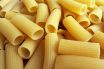
Rigatoni
The small furrows that run up and down the rube-shaped pasta known as rigatoni are designed to catch the sauce and make it stick; these furrows also give rigatoni its name, deriving as it does from the Italian rigare, meaning to make a channel. This Italian word derives in turn from a Latin word, spelt…
-
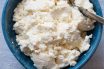
Ricotta
The white, creamy, bland cheese known as ricotta acquired its name, which in Italian means recooked, from its being made from leftover whey, the liquid remaining after making other cheeses such as pecorino or mozzarella. This leftover whey must be put through a second curdling or “cooking” before it can be turned into ricotta. English…
-

Rhubarb
When rhubarb was introduced to Europe from Mongolia, it was grown along the river banks of what was then called the Rha but is now called the Volga. From northern Europe, rhubarb was taken south to Italy where the ancient Romans referred to the stalky plant as rha, since that was where it came from.…
-
Releve
In a formal, French-style dinner, a dish that follows and replaces another dish is called a releve. The word literally means lifted away, a reference to the previous dish having been removed from the table. These dishes are also sometimes known as removes, and in fact remove is the older of the two terms, coming…
-
Rassasy
Some obsolete words simply beg to be revived. Rassasy, which became extinct in the fifteenth century, is one of them. The word means to satisfy a hunger; thus, the next time your host asks you if you would like a second helping, you may exclaim, “No thanks, I’m utterly rassasied!” or “Rassasied is my belly!”…