Month: September 2020
-
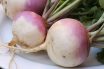
Turnip
From the eighth to the sixteenth century in England, and even today in Scotland, turnips were called neeps, a word deriving from the Latin name of the vegetable, napus. In the sixteenth century, for some unknown reason, this name came to be seen as inadequate and therefore neep was compounded with another word to form…
-
Turk’s-head
Some cakes are so large that it is hard to bake their centres without burning their surfaces; accordingly, a round pan with a vertical cone in its middle is used to prevent the cake from even having a centre. In the late nineteenth century, the shape of this baking pan apparently reminded someone of a…
-

Turkey
Both the English and French names for the large fowl known as the turkey are the result of mistaken assumptions. The French name, dinde, literally means from India, because the Spanish conquistadors who returned from North America with the bird were under the impression that they were in India when they discovered and named it.…
-

Turducken
If ever there were evidence as to why the world needs more poets, it can be found in one word: turducken. No poet, nor anyone sensitive to language, would allow anything edible to be given such a name. It’s bad enough that the word in its entirety sounds hideous; it’s worse that its first syllable…
-
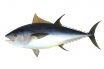
Tuna
As the name of a large fish (sometimes weighing over a thousand pounds), the word tuna did not appear in English until just over one hundred years ago when it appeared as a variant of the fish’s older English name, tunny. Dating back to the early sixteenth century, tunny derived from the French than, which…
-
Trollibags
Most people consider the guts of an animal to be its least palatable component, but you would never guess this from the apparent delight that English speakers have taken in inventing or borrowing names for these edible parts of an animal’s digestive system. These names include tharm, guts, bowels, and entrails; inmeat, innards, intestines, and…
-
Treen
A thousand years ago, the typical English table setting consisted of a wooden bowl, a wooden plate, a wooden mug, and a wooden spoon; these utensils were made of wood not because it is an excellent source of fibre, but because other materials—such as glass, earthenware, and pewter—were either not invented yet or were too…
-
Treacle
What North Americans call molasses, the British call treacle, a word that derives ultimately from a Greek word meaning fierce or poisonous beast. This Greek word—therion—gave rise to an adjective, theriakos, a form of which was used by the ancient Greeks in the phrase antidotos theriake, meaning antidote for poisonous beasts. From this phrase, the…
-
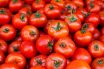
Tomato
Although it is hard to imagine Italian cuisine without the tomato, that juicy red fruit was not introduced to Italy until the sixteenth century; the tomato is, after all, a “New World” fruit, native to Peru and Central America where the Aztecs called it tomatl. When they returned to Europe with the fruit, Spanish explorers…
-
Tomacco
In an episode from the 1999 season of The Simpsons, Homer hits paydirt when he crosses a tomato with tobacco to invent the tomacco, a terrible-tasting but highly addictive new vegetable. In 2003, Rob Baur, a Simpsons fan and operations analyst in an Oregon waste-water facility, realized that tomatoes and tobacco both belong to the…