
 These protect the cell membrane, lipids, proteins, DNA, or cholesterol molecules by being destroyed themselves.
Oxidation-fighting micronutrients that can counter the destructive activity of free radicals, as well as help to offset the premature aging of cells.
A chemical compound or substance that inhibits oxidation and protects against free radical activity and lipid oxidation such as vitamin E, vitamin C, or betacarotene (converted to vitamin B), carotenoids and flavonoids which are thought to protect body cells from the damaging effects of oxidation. Many foods including fruit and vegetables contain compounds with antioxidant properties. Antioxidants may also reduce the risks of cancer and age-related macular degeneration(AMD).
Prevents oxidation and breakdown of tissues.
Substance that slows or stops oxidation. In herbalism, specifically one that slows the formation of free-radicals.
A substance that prevents damage caused by free radicals. Free radicals are highly reactive chemicals that often contain oxygen. They are produced when molecules are split to give products that have unpaired electrons. This process is called oxidation.
Substances that protect cells against the actions of free radicals.
Compounds synthesized in the body or obtained from the diet, such as vitamins e and c, that are believed to decrease the production and effects of free radicals and, as a result, to improve cognitive performance and slow the progression of alzheimer’s disease. Free radicals are extremely reactive and potentially toxic chemicals that attack cellular membranes, proteins, and nucleic acids. The brain is very vulnerable to free radical effects because it is highly oxygenated, yet relatively poor in antioxidants.
A substance that retards the oxidative rancidity of fats in stored foods. Many fats, and especially vegetable oils, contain naturally occurring antioxidants, including vitamin E, which protect them against rancidity for some time.
A substance that retards or slows down oxidation of organic substances.
Phytochemicals that act to prevent lipids from breaking down (e.g., to carcinogenic compounds). Synthetic analogues have also been manufactured (e.g., synthetic vitamins, etc.) which perform similar antioxidant function.
Inhibiting oxidation or an agent that does so.
A substance that prevents oxidation or slows a redox reaction. More generally, an agent that slows the formation of lipid peroxides and other free-radical oxygen forms, preventing the rancidity of oils or blocking damage from peroxides to the mitochondria of cells or cell membranes. (Examples: vitamin E, Larrea (Chaparral), Balsam Poplar.)
Preventing oxidation; a preservative or agent that scavenges singlet oxygen radicals known as free radicals.
A chemical or plant that can decrease oxidation, which in excess is associated with disease.
A substance that is able to protect cells or counteract the damage caused by oxidation and oxygen free radicals.
Chemical compounds that neutralize cell-damaging free radicals created when oxygen is utilized inside the body’s cells. In combating free radicals, antioxidants may protect against cancer and possibly other diseases. The principal antioxidant nutrients are carotenoids (such as beta carotene), the mineral selenium, and vitamins C and E.
Agent used to prevent or delay oxidation or deterioration, especially with exposure to air.
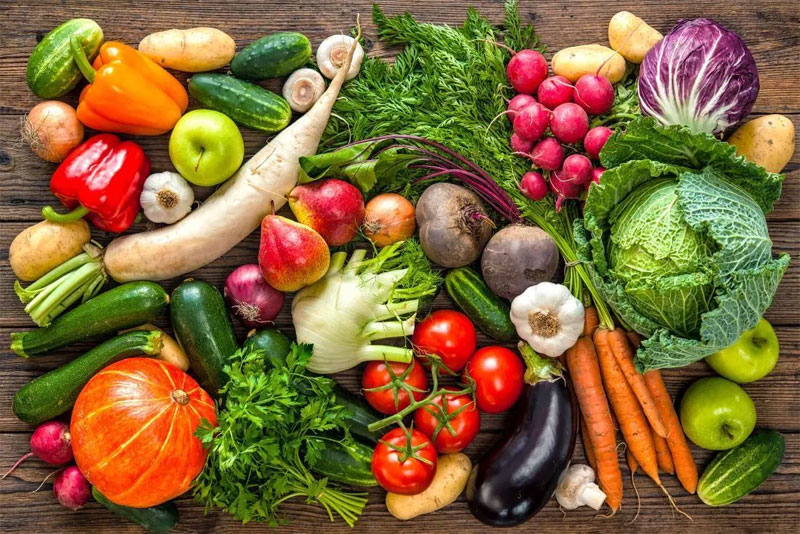
Compound that inhibits the effects of free radicals, found in fruits and vegetables.
Substances that prevent the harmful oxidation effects of certain chemicals in the body that may cause hardening of the arteries and cancer.
A compound that protects other compounds or tissues from oxygen by reacting with oxygen.
Prevents harmful molecules from oxidizing, or breaking down, cells and contributing to cancer, arthritis, and other diseases.
A substance that delays or prevents oxidation.
A substance which makes oxygen less damaging, e.g. in the body or in foods or plastics.
A substance which, even when present in minute quantities, can retard considerably the oxidation and spoilage of a fat or fat-containing food. Natural antioxidants include gallates, tocopherols and vitamin C.
Nutrients, including vitamins A, C and E and the minerals selenium and zinc, that help to disarm free radicals, thus reducing the oxidative damage thought to be responsible for many of the degenerative diseases.
Agents that prevent or inhibit oxidation reactions; in particular they are agents that prevent the oxidation of unsaturated fatty acids. Vitamins A, E, and C act as antioxidants. Some food additives prolong product freshness by acting as antioxidants.
Antioxidants are molecules that have the property of neutralizing free radicals and reactive oxygen species (ROS) that are continuously produced as part of metabolic processes. While some of the body’s antioxidant defenses are achieved through enzymatic defense systems such as glutathione peroxidase, superoxide dismutase, and catalase, other molecules such as vitamin C, vitamin E, beta-carotene, and many other phytochemicals assist in the body’s elaborate defense system.
A substance that works in the body to help prevent oxygen from destroying other substances. Vitamin K is a common antioxidant in the body. As food additives, antioxidants work as preservatives, to stave off spoilage.
A substance capable of protecting other substances from oxidation.
An agent that prevents damage from free radicals unpaired molecules that we’re exposed to through environmental pollutants.
Type of drug or other substance that absorbs, blocks, or prevents the formation of free radicals, highly reactive compounds that are felt to be potentially responsible for a wide number of conditions, including aging (e.g., vitamin E).
Substances that block or inhibit destructive oxidation reactions.
Substances able to neutralize oxygen free radicals produced in the body during metabolism. Antioxidants act by interrupting a process called oxidation, in which free radicals (molecules with unpaired electrons) react with other molecules in a series of chain reactions. Free radicals are produced normally by the body, as are antioxidants, to help body systems maintain a healthy balance. Stress, aging, and pollution can add to the number of free radicals in the body, thereby disrupting the delicate balance by damaging DNA in cells.
A compound that can neutralise oxygen-free radicals in the body; these are atoms and. chemical groups that can damage cells. Free radicals are the product of various disease processes as well as of such agents as poisons, radiation and smoking. Natural antioxidants also occur in the body.
An agent that prevents or inhibits oxidation. Antioxidants are substances that may protect cells from the damaging effects of oxygen radicals, highly reactive chemicals that play a part in atherosclerosis, some forms of cancer, and reperfusion injuries.
Substances that neutralize or reduce the effects of cell-damaging free radicals. Common examples include vitamins A, C, and E, pycnogenol, and selenium.
A substance that can combine with or neutralize free radicals, and thus prevent oxidative damage to cells and tissues.
Certain vitamins and minerals that help prevent oxygen from reacting with other chemicals in cells; such reactions may damage cells in ways that make coronary heart disease and cancer more likely.
Compounds that block the oxidation of substances in food or the body (examples include vita¬ mins C and E and beta-carotene).
Substances found in food that help to control the damage caused by free radicals.
Chemicals found in particular vitamins, minerals, and phytochemicals that reduce oxidative stress.
A substance capable of protecting other substances from oxidation; some are made by the body to inhibit the destructive actions of chemicals called free radicals; some, such as vitamins C and E, are nutrients.
Antioxidants are substances that capture wandering oxygen molecules and hinder the cellular oxidation process, which is tantamount to cellular corrosion. These compounds possess the ability to focus on and negate harmful free radicals that exist within the body.
An entity that safeguards the body against the detrimental impacts of oxidative chemicals.
A class of substances exists that possesses the ability to counteract harmful oxidizing molecules called free radicals, which have the potential to bind to and harm the body’s cells. These substances are referred to as antioxidants.
Certain antioxidants are naturally produced within the body, while others, such as vitamin C, vitamin E, and beta-carotene, are acquired through the consumption of food or dietary supplements.