Category: A
-
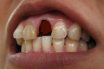
Avulsed teeth
Is tooth that has been knocked out. A tooth that has been completely dislodged from its socket by excessive pressure or accidental trauma. Sometimes called traumatic avulsion, a tooth that has been knocked out requires immediate treatment by a dentist. If the person is bleeding, a clean piece of gauze or tissue should be folded…
-
Avidity Index
Describes the collective interactions between antibodies and a multivalent antigen.
-
Autopsy
Examination of a cadaver to determine or confirm the cause of death. An examination of surgically removed tissue after death to determine specific cause of death. Examination of the body after death (post mortem, therefore also called a ‘post’ or ‘post mortem’) to determine the cause of death. The autopsy rate (percentage of deaths receiving…
-
Autophagy
Digestion of the cell contents by enzymes in the same cell. Consumption of self as occurs when cells regenerate; some cell structures are destroyed, and the components of these structures are reused or catabolized. It can also refer to self-destructive behavior, as in nail-biting.
-
Autolysin
An enzyme that hydrolyzes and destroys the components of a biological cell or a tissue in which it is produced.
-
Aurones
[2-benzylidenebenzofuran-3(2H)- ones] are the secondary plant metabolites and is a subgroup of flavonoids.
-
Auricular
Of or relating to the auricle or the ear in general. Referring to the ear. To any auricle, e.g., the auricle of the ear or of the cardiac atria.
-
Augmerosen
A drug that may kill cancer cells by blocking the production of a protein that makes cancer cells live longer. Also called bcl-2 antisense oligonucleotide.
-
Attention-deficit hyperactivity disorder (ADHD, ADD or AD/HD)
Is a neurobehavioral developmental disorder, primarily characterized by “the co-existence of attentional problems and hyperactivity. A complex disorder associated with a range of behavioral manifestations and with significant impairment in functioning. A person whose inattention and hyperactivity-impulsivity cause problems may have this disorder. Symptoms appear before age 7 years and are inconsistent with the person’s…
-
Atrial fibrillation
Is the most common cardiac arrhythmia (abnormal heart rhythm) and involves the two upper chambers (atria) of the heart. Irregular rapid movements of the atrial muscles without normal contraction to expel blood from the two small chambers of the heart into the ventricles. A rapid uncoordinated fluttering of the atria of the heart, which causes…