Category: B
-
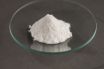
Barium sulfate (BaSO4)
Finely ground radiopaque powder used as a marker in the construction of a radiographic template. A barium salt, insoluble in water, that is opaque to X-rays and is used as a contrast medium in radiography of the stomach and intestines. The term “barium” commonly denotes barium sulfate, an indissoluble amalgamation of barium and sulfuric acid.…
-
Bar splint
Connecting bar for adding rigidity and/or stability between teeth or implants. It is also used to fixate displaced or movable body parts as a result of trauma or surgery.
-
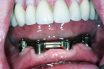
Bar overdenture (implant)
Removable partial or complete denture, which may be implant supported or implant tissue supported. Implants in this type of reconstruction are connected together with a bar incorporating attachment mechanisms for retention and/or support of the prosthesis.
-
Bar connector
A metal component of greater length than width that serves to connect the parts of a removable partial denture.
-
Bar clasp
A clasp retainer whose bodyextends from a major connector or denture base, passing adjacent to the soft tissues and approaching the tooth from a gingivoocclusal direction bar clasp arm.
-
Bar attachment system
Specific design of an attachment in which the patrix spans a specified width that the matrix matches. Each element is part of a prosthetic structure that spans two or more natural teeth and/or implants and is fixed intraorally with the matrix, which is incorporated within the prosthesis. Once the components are engaged by riders, clips,…
-
Bar
Round, half‐round, or elliptically shaped metallic segment with greater length than width. A bar is commonly used to connect components of a prosthesis such as abutments, crowns, or parts of a removable partial denture. It also can be used to provide support, stability, and/or retention for a prosthesis. A metal piece attaching two or more…
-
Ball attachment system
Specific design of a mechanical attachment in which the patrix fits into the matrix in a ball‐and‐socket type of relation. Each element is incorporated into either the natural tooth as part of a restoration or as an abutment on the implant with the reciprocal element incorporated into the prosthesis. The patrix, or ball, can be…
-
Ball attachment
Extracoronal type of attachment mechanism used to retain an overdenture, consisting of a spherical‐shaped abutment and a metal housing.
-
Balancing side
The side from which the mandible moves (opposite the working side or primary chewing side) during lateral excursion. Also termed nonworking side.