Category: C
-

Cutlet
You might suspect that cut is to cutlet as pig is to piglet; however, cutlet, the name of a small piece of mutton or veal cut from the ribs, is not a diminutive of the word cut. Instead, it is a diminutive of the French word cote, meaning side, or rather it is a double…
-
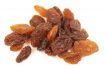
Currant
Currants are small, round berries that are dried and used in jellies and pastries. Their name is not related to the word current as in current affairs—a word that derives from the Latin currere, meaning to run—but rather derives from Corinth, the name of a city in Greece. In ancient times, Corinth exported dried grapes…
-

Curd
The Old English word creodan, meaning to press together, is the source of the word crowd (a throng of people pressing together) and also of curd (lumps of coagulated milk that may be made into cheese). When the word first appeared in English in the middle of the fourteenth century it was spelt and pronounced…
-

Cupcake
Although you might suppose that cupcakes take their name from being little cups of cake, this is likely not the case. When cupcakes were given their name in the early nineteenth century, they were not referred to in the plural as cupcakes, but rather in the singular as cup cake; in other words, you made…
-
Cupboard love
Cupboard love is love pretended to the cook in the hopes that a meal or snack will result. Although the strategy has been exploited since the invention of the cookie jar, the term itself did not emerge until the middle of the eighteenth century. This practice of feigning affection was also known in the eighteenth…
-
Cupboard
No one has pronounced the p in cupboard since the sixteenth century, which slightly obscures the fact that in origin the word is actually cup board, a board for cups. During the sixteenth and seventeenth centuries, this origin was in fact even harder to see, as common spellings of the word ranged from cubberd to…
-
Cup
Often the shortest words have the most complex histories, as is the case with cup. In origin, cup can be traced back to an Indo-European word pronounced something like kaup and meaning round container. In Sanskrit, kaup became kupas, meaning hole, while in Greek it became kupe, meaning ship, and in Latin it became cupa,…
-
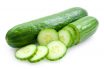
Cucumber
If you were to eat a two-pound cucumber, you would ingest only an ounce of actual “cuke” material; the rest of it—96%, in fact—would be water. The name of this moist fruit derives from the Greek kukuon, which evolved into the Latin cucumis. Accordingly, when English adopted this Latin word in the late fourteenth century,…
-

Crust
Five hundred years ago, the mark of a skilful baker was the ability to make a pie or loaf of bread with a hard, shell-like crust; refrigeration and plastic bags had not been invented yet, so a thick, tough crust prevented bugs from burrowing in, and kept the inside from drying out. It is not…
-

Crumpet
Many foods made from fried dough, such as crepes and crullers, get their name from words that mean curled since the action of cooking them makes them crinkle, bend, fold, and twist. The crumpet is another such food, having derived its name from a fourteenth-century term, crompid cake, literally meaning curled cake. Crompid, in turn,…