Category: C
-
Carminative
Substance that stops the formation of intestinal gas and helps expel gas that has already formed, relieving flatulence: relieving flatulence or colic by expelling gas. Relieves digestive gas, bloating, and indigestion. An agent that aids the elimination of gas. An agent that relieves and removes gas from the digestive system. An antispasmodic agent used against…
-
Cariogenic
Leading to the production of caries. Causing tooth decay (caries) by stimulating the growth of acid-forming bacteria on the teeth; sucrose and other fermentable carbohydrates. A biological agent that produces tooth decay, caries. Referring to a substance which causes caries.
-
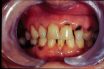
Caries
Tooth decay, commonly called cavities. Dental decay caused by attack on the tooth enamel by acids produced by bacteria that are normally present in the mouth. In dentistry, dental caries or cavities. The medical term for tooth decay, commonly called cavities. Breakdown and death of tooth tissue, resulting in soft, discolored areas. Studies suggest that…
-
Cardiovascular
Pertaining to the heart and blood vessels. Having to do with the heart and blood vessels. Pertaining to the heart and the blood vessels. Involving the heart (cardio) and blood vessels (vascular). Pertaining to the heart and circulatory system. Referring to the heart and the blood circulation system. The term that signifies “related to the…
-
Cardiotonic
Something which strengthens, tones, or regulates heart functions without overt stimulation or depression. Substance that regulates or strengthens heart action and metabolism; whatever the condition of the heart, a cardiotonic brings it back to a normal range of action. A substance that strengthens or regulates heart metabolism without overt stimulation or depression. It may increase…
-
Cardiomyocytes
Cardiac muscle cells.
-
Cardiogenic shock
Is characterized by a decreased pumping ability of the heart that causes a shocklike state associated with an inadequate circulation of blood due to primary failure of the ventricles of the heart to function effectively. Condition of acute circulatory failure caused by interruption of the heart’s pumping action. Considered a medical emergency. Extensive damage to…
-
Cardioactive
Having an effect on the heart. Agent that stimulates heart activity.
-
Cardinolide glycoside
Cardenolides that contain structural groups derived from sugars.
-
Cardinolides
Cardiac glycosides with a 5-membered lactone ring in the side chain of the steroid aglycone.