Category: D
-
Dai (meridian)
One of the Eight Extra Meridians . Dai goes around the waist like a girdle, and acts as a girdle that holds and restricts the rest of meridians, and regulates the Qi and Blood circulating up and down. Dai is closely related to vaginal discharge.
-

Dry brushing
The Ayurvedic practice of gently scraping the body with a dry loofa brush to remove toxins and dead skin cells and stimulate the lymphatic system.
-
Dosha
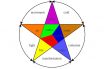
The Ayurvedic term for “energy” used to describe all people, foods, and things. The three Doshas are Vata (air and ether), Pitta (fire and water), and Kapha (earth and water). Refers to one of the three bodily humors Vata, Pitta, KapEa that bridge the mind and the body. The three main psycho-physiological functional principles of…
-
Dinacharya
Your daily practice, such as brushing your teeth, washing your face, scraping your tongue, oiling your body, meditating, and eating breakfast. The term means “to be close to the day” because balance is found when you work with the rhythms of nature.
-
Dhatus
The seven bodily tissues: plasma, bones, muscles, fat, nervous system, and reproductive system. The structural, building, elemental tissue of the body. There are seven dhatus defined in Ayurveda: rasa (plasma),- rakta (blood tissue),- mamsa (muscle tissue),- meda (adipose tissue),- asthi (bone marrow),- majja (bone and nerves),- shukra and artava (male and female reproductive tissue). One…
-
Dysuria
Refers to difficult and painful urination. Difficult, painful, or incomplete urination. Difficult or painful urination, symptomatic of numerous conditions. Painful or difficult urination; it may be caused by inflammation of the bladder (cystitis) or urethra (urethritis) or other disorders. The medical term for painful or difficult urination. Dysuria is often a symptom of disorders such…
-
Dystocia
Abnormal or difficult child birth or labour. Any abnormality of the normal process of birth. Medical term for difficult (sometimes impossible) labor, when labor fails to progress. It may occur when a mother is overtired or her internal organs are shaped abnormally and is often an indication for assistance, including forceps delivery, vacuum extraction, or…
-
Dyspnoea
Shortness of breath, difficult or laboured breathing.
-
Dyspepsia
Refers to a symptom complex of epigastric pain or discomfort. It is often defined as chronic or recurrent discomfort centered in the upper abdomen and can be caused by a variety of conditions. Poor digestion, often with heart burn and stomach acid reflux. Pain or discomfort associated with eating. Dyspepsia may be a symptom of gastritis,…
-
Dyspedia
Indigestion followed by nausea.