Category: D
-
Dentogingival f
Numerous collagenous fibers that extend from cervical cementum to the lamina propria of the free and attached gingiva.
-
Dystrophy, periodontal
Degeneration of the periodontium caused by changes in bone mechanics and circulation, that results in abnormal physiological function.
-

Dystonia
A neurologic disorder resulting in sustained, acute, irregular, tonic muscular spasms causing twisting and repetitive motions that affect movement of the tongue, jaw, eyes, neck, and sometimes the entire body. A neurological movement disorder characterized by prolonged, repetitive muscle contractions that may cause twisting or jerking movements of muscles. Irregular muscle tone due to central…
-
Dentinal d
A hereditary disorder affecting the teeth and characterized by abnormal dentin, defective root formation, and a tendency for periapical pathosis.
-
Dysplasia
Abnormality of development; in pathology, alteration in size, shape, and organization of cells. Refers to abnormality in development. A pathological term meaning an appearance of abnormal cells. Abnormal tissue development in a skin blemish (such as a mole) or in another area of the body that may develop into cancer if left untreated. Alteration in…
-
Dysphonia
Disorder of the voice caused by the inability to make voice sounds through the vocal cords, resulting in hoarseness or difficulty in speaking. A voice disorder, an impairment in the ability to produce voice sounds using the vocal organs. Disorder of speech caused by dysfunction of the vocal cords. Hoarseness; difficulty in speaking caused by…
-
Dysphagia
Difficulty in or lack of complete swallowing, which slows the movement of food from the mouth into the stomach. Difficulty in swallowing, commonly associated with disorders of the oesophagus. Difficult or painful swallowing or inability to swallow. This difficulty could be caused by a number of different conditions. The more common causes of swallowing difficulty…
-
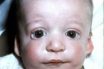
Dysostosis
Imperfect ossification resulting in abnormal bone development. Unusual formation of bones.
-
Dysmasesis
Difficulty in chewing (mastication).
-
Dyslalia
Defective articulation due to faulty learning or to abnormality of the external speech organs and not due to lesions of the central nervous system. A disorder of speech, caused by an unusual development of the tongue. A speech disorder in which the patient uses a vocabulary or range of sounds that is peculiar to him.…