Category: E
-
Encephalomyelitis
A group of diseases which cause inflammation of the brain and the spinal cord. Acute inflammation of the brain and spinal cord, marked by fever, headache, neck and back pain, and vomiting; in severe cases and in weak or aged persons seizures, coma, and death may result. Inflammation of the brain and spinal cord that…
-
Encephalomalacia
Softening of the brain due to ischemia or infarction. The brain’s deterioration due to the interruption of blood supply caused by embolism or thrombosis.
-
Encephaloma
A tumour of the brain.
-
Encephalocele
A condition in which the brain protrudes through a congenital or traumatic gap in the skull bones. Protrusion of the brain through a congenital fissure in the skull. A protrusion of the brain through a cranial fissure. This refers to a form of neural tube defect that leads to abnormalities in the brain, in contrast…
-
Encephalin
A peptide produced in the brain which acts as a natural painkiller. One of a group of chemicals occurring naturally in the brain and having effects resembling those of morphine or other opiates. A naturally occurring brain peptide, the effects of which resemble those of morphine or other opiates.
-
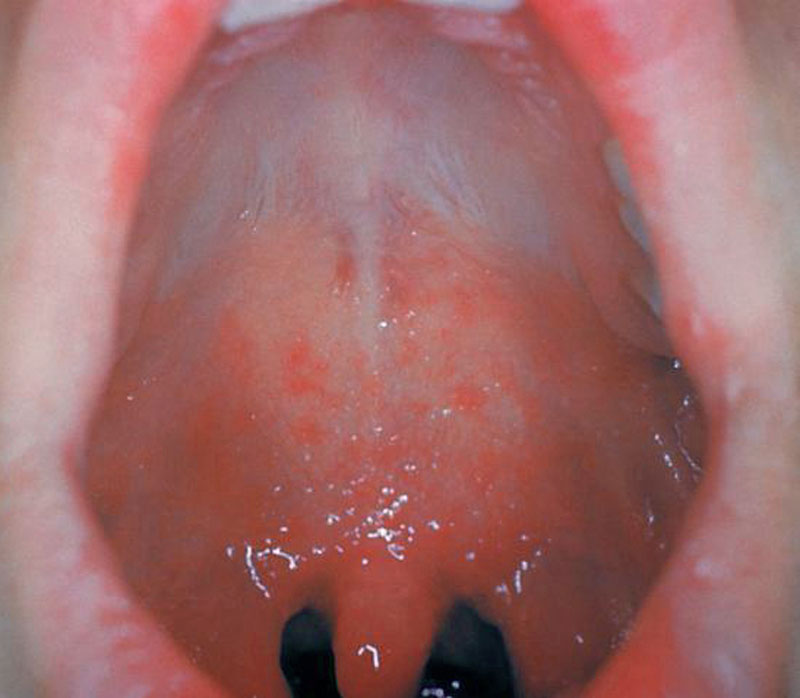
Enanthema
A rash on a mucous membrane, such as that of the mouth or vagina, produced by the action of toxic substances on small blood vessels. Eruption on a mucous membrane (e.g., the inside of the mouth). An eruption occurring on a mucus-secreting surface, such as the inside of the mouth or vagina.
-
Enalapril
A drug used for the short-term management of high blood pressure. An ACE inhibitor; serves as an antihypertensive drug. This is the generic name for this drug. One of a class of drugs that block the formation of angiotensin in the kidney, leading to vasodilation. Sold under the trade name Vasotec, enalapril is used in…
-
Empowerment
The act of giving someone authority and power to make decisions that will affect them. Investing power in another person or group by sharing leadership roles, or helping others to engage fully in a process.
-
Empirical treatment
Treatment which is based on symptoms and clinical experience rather than on a thorough knowledge of the cause of the disorder. Medical care that is undertaken when a precise diagnosis is uncertain or cannot be determined. For example, for a person with a fever of unknown cause, a doctor may prescribe a course of antibiotics…
-
Emotional disorder
A disorder due to worry, stress, grief or other strong emotion.