Category: G
-
Gnathion
A reference point commonly used in orthodontic evaluation (especially radiographically) of the skull, which designates the most inferior and outward point of the bony chin as measured at the midsagittal plane. The lowest point of the midline of the lower jaw (mandible). The lowest point of the middle line of the lower jaw; a craniometric…
-
Gnathic
Relating to the anatomy or function of the maxilla or mandible. Referring to the jaw.
-
Glycosylated hemoglobin A1c test (HbA1c test)
Glycated hemoglobin A1c test. Laboratory test which reveals average plasma glucose concentration over a period of 3 months. Specifically, it measures the number of glucose molecules attached to hemoglobin. Results are expressed as a percentage, with 4–6% considered normal.
-
Glycosaminoglycan
A polysaccharide that is important in tissue repair, hydration, and joint health. Also known as mucopolysaccharide. Heteropolysaccharides which contain an N-acetylated hexosamine in a characteristic repeating disaccharide unit. The repeating structure of each disaccharide involves alternate 1,4- and 1,3-linkages consisting of either N-acetylglucosamine or N-acetylgalactosamine. A complex polysaccharide found in cartilage, intercellular material, and the…
-
Glycoprotein
Conjugated protein in which the nonprotein group is generally a carbohydrate. It can contain one or more covalently linked carbohydrate residues. Called also glucoprotein. A protein that has sugar molecules attached to it. Proteins conjugated with carbohydrates such as uronic acids, polymerised glucosamine-mannose, etc., including mucins and mucoids. A class of compounds in which a…
-
Glucose tolerance test
A laboratory test that denotes a patient’s ability to regulate blood sugar level after carbohydrate intake. One of the best laboratory tests (in terms of reliability) for detecting diabetes mellitus. The ability of the body to deal with a relatively large dose of glucose is used to diagnose diabetes mellitus. A test indicating the efficiency…
-
Glucocorticoid
A class of steroid hormones characterized by an ability to bind with the glucocorticoid receptor. Their main therapeutic use in dentistry is as an antiinflammatory and immunosuppressant agent. A group of corticosteroids that affect carbohydrate metabolism (gluconeogenesis, liver glycogen deposition, elevation of blood sugar), inhibit corticotropin secretion, and possess pronounced anti-inflammatory activity. They also play…
-
Glossopynia
Painful or burning tongue.
-
Glossoplasty
Plastic or altering surgery of the tongue.
-
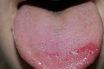
Glossodynia
Painful or burning sensation in the tongue. Pain in the tongue. Glossodynia is a condition characterized by a painful, burning feeling in the tongue, often with no identifiable cause. Over time, this condition tends to resolve on its own.