Category: H
-
Heterogamous
With two kinds of flower; for example, in Compositae/Asteraceae with heads comprising central, usually bisexual, disc florets and marginal, unisexual or neuter, ray florets. Bearing two sorts of flowers as to their stamens and pistils, as in many Composite.
-
Heterochromous
(In Compositae/Asteraceae) with the ray florets of one colour and the disc florets of another colour. Having an abnormal difference in coloration.
-
Heterochlamydeous
With the perianth divided into a distinct calyx and corolla.
-
Heterocephalous
(In Compositae/Asteraceae) with two kinds of capitula [unusual term].
-
Heterocarpous, heterocarpy
With fruits of more than one kind (e.g. in Compositae/Asteraceae where the achenes of ray florets may have a different shape from those of disc florets).
-
Heteroblastic
Of differing development; for example, of pseudobulbs in Graphorchis, with only one internode elongated and the remaining basal ones very short; With juvenile and mature leaves of very different shape and size. Developing from several kinds of tissue.
-
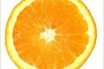
Hesperidium
A fleshy berry with a leathery rind, the fleshy part divided into segments (like an orange) and multiple seeds, each with a hard testa. Ovary superior; septations conspicuous, these lined with fleshy hairs, restricted to the citrus fruits.
-
Hermaphrodite
Bisexual plant with stamens and pistil in the same flower. Self-pollinating plants containing both male and female reproductive organs, namely stamens and ovary respectively. Plant that has male and female reproductive organs in one flower. One who possesses the sex organs of both sexes. A person with both male and female characteristics. Wide spectrum of…
-
Herkogamy
Separation in space between stigma(s) and anthers.
-
Herbarium specimen
A single herbarium sheet complete with dried plant parts and label.