Category: L
-
Leaf scar
Mark on twig or branch where a leaf has fallen off. Mark on the stem where the leaf was attached before falling off.
-
Leaf litter
Layer of dead leaves on the ground.
-

Leaflet
One (expanded) part of a compound leaf. An ultimate unit of a compound leaf. One segment of a compound leaf. One of the units of a compound leaf. One of the divisions of a compound leaf. A small leaf that is part of a compound leaf. One of the divisions of a compound leaf. A…
-

Leafless
Without leaves.
-
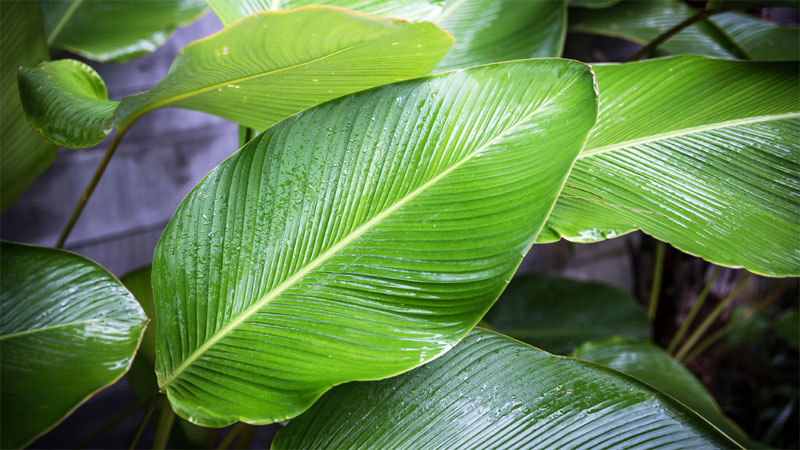
Leaf
Chlorophyll-bearing lateral outgrowth from stem. The flattened parts of a plant that are specialized to carry out photosynthesis. Usually with an axillary bud at the base. Chlorophyll-containing organ growing out from the stem, subtending an axillary bud (although in some cases chlorophyll is secondarily lost). A flat outgrowth of a stem capable of manufacturing food…
-
L.c.
From the Latin loco citato meaning ‘in the place mentioned’.
-
Layered
(Of crown) with several parallel whorls or layers of branches.
-
Layer
Ecological term denoting the horizontal divisions of a high vegetation structure (e.g. tree layer, shrub layer, field layer (herb layer), ground layer (mosses and liverwort layer)); Also an anatomical term, but outside the scope of this glossary. A classic hairdressing technique that removes weight and bulkiness by cutting much shorter pieces that fall above your…
-
Lax
Loose, open, distinct from each other. More than twelve hundred years ago, the fish we now know as the salmon was called, in Old English, lax. Relatives of this Old English word exist in other languages to this day, including the German lacks, the Yiddish Ms, the Swedish, Danish, and Dutch lax, and the Russian…
-
Laurasia
Supercontinent combining northern continents, formed as a result of the breakup of Pangaea about 200 million years ago. The supercontinent of the Northen Hemisphere combining North America and Eurasia, formed after the breakup of Pangaea 200 million years ago when it separated from Gondwana.