Category: M
-
Microscope
A laboratory instrument used to magnify objects. Many disease-producing organisms are so small that they can be observed only through the use of a These organisms are said to be microscopic. A scientific instrument with lenses, which makes very small objects appear larger. Instrument for producing a magnified image of an object that may be…
-
Micropsia
The perception of objects as smaller than they actually are macropsia. A condition in which someone sees objects smaller than they really are, caused by an unusual development in the retina. A condition in which objects appear smaller than they really are. It is usually due to disease of the retina affecting the macula but…
-
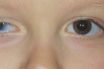
Microphthalmos
An abnormally small eyeball. Developmental defect characterized by abnormal smallness of one or both eyes. An uncommon inborn ocular anomaly. Individuals with this condition are born with an unusually undersized eye, either on one or both sides.
-
Micropenis
A penis that is correctly formed, but that is less than 2 cm long.
-
Microglia
One type of connective tissue cell found in the brain and spinal cord. Tissue in the central nervous system composed of tiny cells which destroy other cells. Small cells of the central nervous system that act as phagocytes, collecting waste products of nerve tissue. One of the two basic classes of glia (the non-nervous cells…
-
Microgamete
The male gamete of Plasmodium that develops in the mosquito.
-
Microcyst
Small, rounded, resistant cells with thick walls.
-
Microconidia
Small unicellular fungus spores.
-
Microcomputers
Generally, an outmoded term referring to computers that are manufactured for personal use to be used for testing, data storage and analysis, and computer-aided instruction.
-
Microcephaly
A condition often associated with feeblemindedness. A condition in which a person has an unusually small head, sometimes caused by the mother having had a rubella infection during pregnancy. Microcephaly refers to a smaller than normal head circumference with the presumption that the smaller size reflects a smaller-sized brain. Rather than a disorder or disease…