Category: M
-
Moxa
A dried herb substance burned on or above the skin to stimulate an acupuncture, energy, or immune trigger point or to serve as a counterirritant. Thought to stimulate healing and reduce pain and inflammation of arthritis and other painful conditions. A famous technique of traditional Chinese medicine, using dried pressed leaves of certain Artemisia species.…
-
Monoterpenes
A chemical subdivision of terpenes, with a specific number of hydrogen atoms and 1 o carbon atoms. They are an important part of the aromatic essences of plants. Menthol is an example.
-
Merous
In composition, referring to the numbers of parts; as flowers five-merous.
-
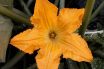
Male flower
Androceium bearing flower. Having stamens but no pistils.
-
Myenteric plexus
Broadly, the several neuron masses, ganglia, and nerve fiber plexus that lie in the walls of the intestinal tract, particularly the small intestine. They monitor and stimulate local muscle and glandular functions as well as blood supply, with little interface or control by the central nervous system or the autonomics. Each synapse away from the…
-
Mucus membranes
The mucosa, forming a continuous layer that protects the internal membranes from the outside, where the external environment goes into or through the body, as in both the cavities (respiratory system and genital-urinary system) and the intestinal tract. The external skin and the internal mucosa meet at the orifices, forming mucoepithelial membranes. A membrane lining…
-
Mononucleosis
Properly, infectious mononucleosis, a viral infection of the lymph pulp most frequently caused by the Epstein-Barr virus. The spleen, lymph nodes, and (sometimes) the liver are involved. The general symptoms are fever, sore throat, exhaustion, and abnormal white blood cells. An acute infection caused by an unidentified virus. Most prevalent among children and adolescents. Transmitted…
-
Mittelschmers
Abdominal pains that occur midway between menstrual periods and which are caused by ovulation.
-
Mesenchymal cells
Literally, those derived from embryonic mesoderm; practically, those in a tissue that give it structure and form. Opposite of parenchymal.
-
Menstruum
The solvent used in extraction. For a dry tincture, the menstruum might be 50% alcohol and 50% water. A liquid used in the extract of active principles from an unrefined drug. A solvent; a medium. It was once believed that menstrual fluid had solvent qualities. The Latin term for “monthly” is “mensis.” A solvent is…