Category: M
-
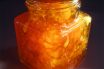
Marmalade
The jam known as marmalade in English is known as marmelada in Spanish, marmelade in French, marmellata in Italian, marmelad in Swedish, and marmelade in German, Dutch, and Danish. These words all derive from the Portuguese name for the jam, marmelada, which took its name from the Portuguese word marmelo, meaning quince, the fruit originally…
-
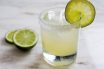
Margarita
At least a dozen men have laid claim to having invented and given their girlfriend’s name—Margarita—to the cocktail made from tequila, Triple Sec, and lime juice; not wanting to disbelieve any of them, I assume they all had girlfriends named Margarita and that they all invented the drink’s recipe independently. Although people remember drinking this…
-
Margarine
Margarine exists today thanks to Napoleon III (nephew of the more famous Napoleon Bonaparte) who offered a prize in the early 1860s to anyone who could create a butter substitute, a cattle plague having made all dairy products in France scarce and expensive. The eventual perfector of the product named it oleomargarine, from oUine, the…
-
Maraschino cherry
Although commercially produced maraschino cherries are one of the sweetest, most cloying foods ever invented, their name actually derives from an Italian word meaning bitter. From this word—amaro—the Italians derived the name amarasca, which they gave to a kind of sour, black cherry. In time, amarasca was shortened to mamsca, which also became the name…
-
Manna
According to the Book of Exodus, manna, the food miraculously provided for the Israelites after they left Egypt, takes its name from the question the Israelites asked each other when they discovered it upon the ground: “Man hu?”—which, translated from Aramaic, means something like “What is this?” However, the Arabic word mann—the name of a…
-
Magirist
A magirist is an expert cook. The word is not related to magi or magic, but instead derives from the Greek mageiros, meaning chef, butcher, or sacrificer: in ancient Greece, the same person performed all those roles. Magirist first appeared in English in the early nineteenth century, probably inspired by a work known as Ars…
-
Madeira
Although Madeira is a white wine, it has an amber tint because it is heated in its cask before being bottled. The wine takes its name from the Portuguese island where it is produced, and the island in turn was named Madeira—the Portuguese word for timber—because it was covered with thick forests. Ultimately, the Portuguese…
-
Made dish
A made dish is one composed of several ingredients, as opposed to just one. Thus, a bowl of steamed peas is not a made dish, but cannelloni stuffed with cheese and served with sauce is. The term was first used at the beginning of the seventeenth century; although most chefs respect the skill required to…
-
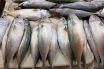
Mackerel
In the fourteenth century, and for many centuries after, the word mackerel meant two things: it referred to a North Atlantic fish, an important food source for the northern European nations; and it referred to someone who was a pimp or, as he would be called back then, a pander. One explanation that accounts for…
-
Myristoylation
Transformation of proteins in cells in such a manner that these cells then cause cancer.