Category: M
-
Myeloma
Cancer that arise in the plasma cells a type of white blood cells. A tumor cell line derived from a lymphocyte. It usually produces a single type of immunoglobulin. A malignant tumour in bone marrow, at the ends of long bones or in the jaw. Bone-destroying malignant neoplasm of bone marrow tissue that occurs most…
-
Myeloid leukaemia (Chronic)
A type of cancer that affects the blood and bone marrow, characterized by excessive number of white blood cells. An acute form of leukaemia in adults. Referred to as chronic granulocytic leukemia, this form of leukemia arises from an excess production of granulocytes, a specific type of white blood cell, particularly neutrophils. The exact cause…
-
Myelocyte
Is a young cell of the granulocytic series, occurring normally in bone marrow, but not in circulating blood. A cell in bone marrow which develops into a granulocyte. Immature granulocytic leukocyte (eosinophil, basophil, or neutrophil) normally found in bone marrow and present in the circulating blood in certain diseases especially myelocytic leukemia. An immature cell…
-
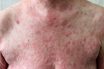
Mycosis
An infection or disease caused by a fungus. Any disease caused by a fungus, e.g. athlete’s foot. A system-wide fungal infection or disease. In people who are otherwise in good health, mycosis tends to be chronic, usually with mild symptoms, but sometimes produces fever, chills, night sweats, loss of appetite and weight, malaise, and psychological…
-
Mutagenic
Capable of inducing mutation (used mainly for extracellular factors such as X-rays or chemical pollution). Substance that has the property of being able to induce genetic mutation. A substance that induces genetic mutations. Capable of promoting genetic alterations in cells, mutagenic effect. Inducing or causing genetic mutations or changes.
-
Mutagen
An agent that induces genetic mutation by causing changes in the DNA. A chemical substance capable of producing a genetic mutation (change), by causing changes in the DNA of living organisms. For example. Dr. Gary Shaw discovered in 1996 that women who smoke cigarettes during their pregnancies are twice as likely to have babies with…
-
Muscarinic receptors
G protein-coupled acetylcholine receptors found in the plasma membranes of certain neurons and other cells. A subtype of cholinergic receptor specifically responsive to muscarine. A primary class of cholinergic receptors that are named according to their affinity for the muscarine toxin. Certain cholinergic agonists and antagonists also have a relatively selective affinity for muscarinic receptors.…
-
Mucolytic
Capable of reducing the viscosity of mucus, or an agent that so acts. A substance that dissolves mucus, e.g. in the bronchia. An agent that breaks up mucus. A drug that decreases the viscosity and increases the fluidity of mucous secretions in the respiratory tract, thus making it easier for the patient to cough up…
-
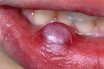
Mucous
Relating to mucus. Having the nature of or resembling mucus. Pertaining to or resembling mucus. A viscous substance generated by the moist membranes that coat numerous body cavities and structures. Characterized by a similarity to mucus.
-
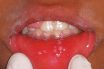
Mucositis
Painful inflammation and ulceration of the mucous membranes lining the digestive tract. A painful inflammatory response of the oral mucous membrane. May be caused by local irritants, including prostheses, or may be systemically induced.