Category: N
-
Nervose
Prominently veined.
-
Neotype
(In nomenclature) type specimen chosen when the original type has been destroyed, or is untraceable after serious searching, and no original material exists from which a lectotype can be chosen; a neotype should resemble closely the protologue description and come from the same area if at all possible. A replacement culture for a lost holotype…
-
Neotropics
The tropical part of the American continents, i.e. central Mexico and the Caribbean islands to N Chile, Paraguay and S Brazil. Tropical portion of the Western Hemisphere, from southern Mexico and Florida to just south of Paraguay, including all the Caribbean islands.
-
Neoteny
Of plants thought to show juvenile characteristics, presumed to be evidence of arrested development. The condition in which plants become fertile when still vegetatively in a juvenile stage. The retention of juvenile features of ancestral species in the adult features of later species.
-
Neo., neophyte
A newly introduced plant; A naturalised alien [not recommended].
-
Negative geotropism
Tendency to grow away from the earth’s centre, straight upwards.
-
Nectary (plural nectaries)
Organ(s) in which nectar is formed. (Formerly used incorrectly for organs not necessarily forming nectar, such as spurs). A cavity or gland that secretes nectar. A structure (knob-like, pouch-like, or tubular) within a flower (sometimes on a petal-base) that secretes the nectar collected by insects. The nectar-secreting organ, usually at the base of the flowers…
-
Nectariferous
With nectar. Bearing honey, or having a nectary.
-
Nectarial
Nectar-producing.
-
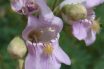
Nectar guides
Lines or blotches of colour that lead to the nectarproviding zones of the plant. Coloured streaks or blotches on the perianth that point to the nectary.