Category: O
-
Osteopontin
Noncollagenous protein with an arginine‐glycine‐aspartic acid (RGD) tripeptide sequence having specificity for cell surface antigens. It is found in the lamina limitans of the bone surface, possibly playing a role in bone mineralization and attachment of osteoblasts and osteoclasts to bone matrix. It forms a cross‐link with fibronectin and is found in cement lines, suggesting…
-
Osteoplasty
Removal or reshaping of the alveolar process with rotary instruments, piezoelectric technology, or hand instruments to accomplish a more physiologic form without removing alveolar bone proper. Plastic surgery on bones.
-
Osteoperiosteal
Relating to bone and the periosteum that covers it. Bone and its adherent sheath.
-
Osteopenia
Reduced bone mass due to a decrease in the rate of osteoid synthesis to a level insufficient to compensate for normal bone lysis. It is considered a serious risk factor for the development of osteoporosis. Reduction in bone mass, usually caused by a lowered rate of formation of new bone that is insufficient to keep…
-
Osteonectin
A phosphoprotein, found in bone and blood platelets, which binds both collagen and calcium and serves as a regulator of mineralization. A glycoprotein present in the non collagenous portion of the matrix of bone.
-
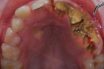
Osteonecrosis of the jaw (ONJ)
Exposed bone in the mandible, maxilla or both that persists for at least 8 weeks, in the absence of previous radiation or metastases in the jaws.
-
Osteonecrosis (syn)
Bone necrosis. The death or necrosis of bone due to the obstruction of its blood supply. Osteonecrosis is a bone disorder that results from the loss of blood supply to the bones. The lack of blood supply causes the bone to collapse and generally leads to the collapse of articulating joints such as the hip…
-
Osteon
Cylindrical structure with a diameter of 150–300 μm and a length varying from 2 to 10 μm, composed of concentric lamellae of bone surrounding a Haversian canal with a diameter of 50 μm. In this canal nutritive element, nerves, and connective tissue are present. Between the individual osteons and interstitial lamellae, cementing lines are seen.…
-
Osteomyelitis
Infection of bone that is usually caused by bacteria. A long‐term infection can lead to bone destruction. Inflammation of bone caused by a pyogenic organism. It may remain localized or may spread through the bone to involve the marrow, cortex, cancellous tissue, and periosteum. Inflammation of the interior of bone, especially the marrow spaces. Infection…
-
Osteolysis
Bone resorption and dissolution, involving the loss or removal of calcium, as part of an ongoing disease process. Destruction of bone tissue by osteoclasts. Loss of bone calcium. Degeneration and dissolution of bone caused by disease, inadequate blood supply, or infection. Dissolution of bone through disease, commonly by infection or loss of the blood supply…