Category: P
-
Passive vocabulary
All the words a person understands active vocabulary. Words that a person can recognize or understand in context in hearing or reading matter, as opposed to the active vocabulary that can be used independently in speaking or writing. Because children, like adults, always understand much more than they can express, their passive vocabulary is much…
-
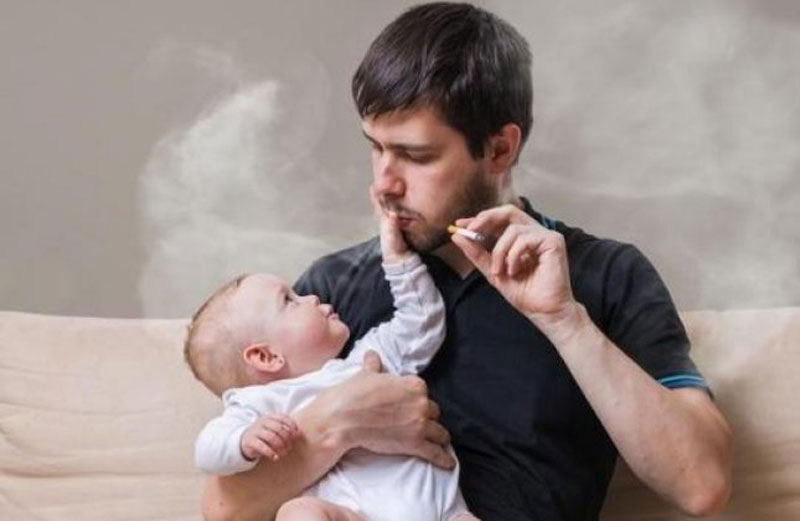
Passive smoking
The inhalation of air that is heavily polluted with tobacco smoke from other people’s cigarettes. The act of breathing in smoke from other people’s cigarettes when you do not smoke yourself. Nonsmokers’ exposure to smoke emitted by burning cigarettes or cigars and exhaled by cigarette or cigar smokers. Passive smoking, also referred to as secondhand…
-
Passively acquired immunity
A temporary immunity achieved by providing antibodies to a person exposed to a particular pathogen.
-
Passive listening
A strong nonverbal message that indicates that a person wants to listen, active listening.
-
Passive learning
Learning that takes place without the learner being actively involved in the learning experience. A learning style in which the child sits and listens while others lecture.
-
Passive immunization
The practice of injecting antibodies directly into the body to confer immunity active immunity. A type of immunization in which antibodies are directly injected into a person’s body, supplying a short-term immunity; as opposed to the more common active immunization. A therapeutic approach involving the transfer of antibodies obtained from an individual with a pre-existing…
-
Passive euthanasia
Indirect euthanasia.
-
Passive dependency reaction
A form of passive-aggressive personality.
-
Passive congenial marriage
A marriage that primarily supports the outside interests of the partners.
-
Passive-aggressive personality
A person who possesses a deep dependency, usually accompanied by deep resentment. There are three forms: (a) passive dependency with helplessness, indecisiveness, and a need to cling to others; (b) passive aggressiveness with an expression of aggression through outing, stubbornness, procrastination, and passive obstructionism; and (c) active aggressiveness with irritability, tantrums, and destructiveness.