Category: P
-
Polycrest
A homeopathic remedy that has a broad spectrum of actions, and can therefore be used for a variety of different conditions.
-
Pharmacopeia
An official publication of drugs in common use in a given country. A book containing a list of the drugs used in medicine, with details of their formulae, methods of preparation, dosages, standards of purity, etc. A document containing recipes for the preparation (compounding) of medicinal drugs and also standards for their strengths and purities.…
-
Peptic
Term applied to gastric secretions and areas affected by them. Referring to digestion or to the digestive system. In the gastric secretions of carnivorous and omnivorous creatures, there exists a protease enzyme responsible for the breakdown of meat proteins. The presence of this enzyme in humans is regarded as proof supporting the notion of human…
-
Peculiars
In homeopathy, strange, tare and peculiar symptoms which relate to the individual and are not common in illness.
-
Particulars
In homeopathy, symptoms relating to a part of the person, that can be expressed “My…” ; compare GENERALS.
-
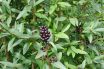
Privet (Ligustrum vulgare)
Excellent hedge plant. Clippings yield yellow or gold dyes. Astringent decoction of leaves or bark is helpful for diarrhea, sore throat and certain skin problems.
-
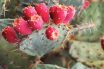
Prickly Pear (Opuntia humifusa)
Interesting cactus. Bears edible fruits (pears) having pleasant, somewhat acid taste. May be eaten raw or dried, first discarding thick skins and seeds. A nutritious and stimulating sauce, similar to apple sauce, is prepared by boiling in water for 10-12 hours, then allowing to ferment a little. The fruit of several cacti varieties, characterized by…
-
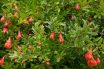
Dwarf pomegranate (Punica granatum ‘Nana’)
Showy orange-red fuchsia-like flowers; miniature fruits. Considered an excellent remedy for tapeworms since the time of the Greeks.
-
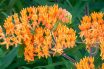
Pleurisy Root (Asclepias tuberosa)
Bright orange-red flowers. Roots act specifically on the lungs, assisting expectoration and subduing inflammation. Valuable for all chest complaints, including pleurisy.
-
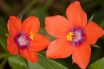
Pimpernel (Anagallis arvensis)
Ancient reputation for treating depression, melancholy, and allied mental disorders. Scarlet, white or blue flowers close when bad weather is imminent, earning the name “weatherglass.” This diminutive plant, an annual variety, is typically found growing in wild and untended areas. Although it may seem insignificant, it has the potential to serve as a seasoning, adding…