Category: P
-
Passive-aggressive personality disorder
A proposed disorder (listed in dsm-iv-tr appendix b, “criteria sets and axes provided for further study”) characterized by a pervasive pattern of negativistic attitudes and passive resistance to others’ expectations of and demands for adequate performance in social and occupational situations. Behavioral tactics include procrastination; postponement of completion of routine tasks; sulkiness, irritability, or argumentativeness…
-
Partial hospitalization
A psychiatric treatment program for patients who require hospitalization only during the day, overnight, or on weekends. Formal programs of care in a hospital or other institution for periods of less than 24 hours a day, typically involving services usually provided to inpatients. There are two principal types: night hospitalization for patients who need hospitalization…
-
Paroxetine mesylate
A selective serotonin reuptake inhibitor (SSRI) antidepressant medication related to paroxetine hydrochloride (paxil) and indicated for the treatment of major depressive disorder, obsessive-compulsive disorder, panic disorder, and generalized anxiety disorder. Marketed under the brand name pexeva.
-
Paroxetine hydrochloride
A selective serotonin reuptake inhibitor (SSRI) antidepressant medication used to treat depression, generalized anxiety disorder, obsessive-compulsive disorder, panic disorder, posttraumatic stress disorder (PTSD), and social phobia. Marketed under the brand name paxil. An selective serotonin reuptake inhibitor (SSRI) employed for the treatment of mental depression, obsessive-compulsive disorder (OCD), anxiety, and diverse range of other disorders.…
-
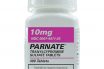
Parnate
Brand name for the monoamine oxidase inhibitor (MAOI) antidepressant tranylcypromine. A commercial preparation of tranylcypromine.
-
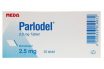
Parlodel
Brand name for the mixed dopamine agonist-antagonist drug bromocriptine.
-
“Parkinson’s Plus” syndromes
The atypical parkinsonian syndromes—dementia with lewy bodies, multiple system atrophy, progressive supranuclear palsy, and corticobasal ganglionic degeneration—are often difficult to differentiate from parkinson’s disease and each other. Although these syndromes are clinically distinct, modern immunocytochemical techniques and new genetic findings have revealed intriguing interconnections at a basic molecular level, providing a scientific rationale for lumping…
-
Parkinsonism (Parkinson’s disease, paralysis agitans)
One of the medication-induced movement disorders, consisting of a rapid, coarse tremor; muscular rigidity; masklike facies; or akinesia developing within a few weeks of starting or raising the dose of neuroleptic (antipsychotic) medication or of reducing medication used to treat extrapyramidal symptoms (EPS). A neurological disorder characterized by rapid, coarse tremor, pill-rolling movements, masklike facies,…
-
Parietal lobe
The part of the brain that integrates sensory information from different modalities, particularly determining spatial sense and navigation. Balint sybdrome is associated with bilateral lesions of the parietal lobe. That part of each cerebral hemisphere that lies between the occipital lobe and the central groove. The middle lobe of the cerebral hemisphere, which is associated…
-
Paratonia
The reduced ability of a muscle to stretch during passive movement that develops during the course of dementia.