Category: P
-
Plasminogen
The proenzyme of plasmin, whose primary role is the degradation of fibrin in the vasculature. Precursor of fibrinolysin (plasmin). It is a single-chain beta-globulin of molecular weight 80-90,000 found mostly in association with fibrinogen in plasma; plasminogen activators change it to fibrinolysin. It is used in wound debriding and has been investigated as a thrombolytic…
-
Plasmin
A proteinase enzyme that is responsible for digesting fibrin in blood clots. A product of the lysis of plasminogen (profibrinolysin) by plasminogen activators. It is composed of two polypeptide chains, light (B) and heavy (A), with a molecular weight of 75,000. It is the major proteolytic enzyme involved in blood clot retraction or the lysis…
-
Plasma kallikrien
A serine protease, synthesized in the liver and circulates in the plasma.
-
Plasma
The yellow-colored liquid component of blood, in which blood cells are suspended. The clear, yellowish, fluid part of the blood that carries the blood cells. The proteins that form blood clots are in plasma. A pale, amber-colored fluid constituting the fluid portion of the blood in which are suspended the cellular elements. Plasma contains 8-9…
-
Placode
A platelike epithelial thickening in the embryo where some organ or structure later develops. Any of the thickened areas of ectoderm in the embryo that will develop into nerve ganglia or the special sensory structures of the eye, ear, or nose. In embryology, a plate like thickening of epithelium, usually the ectoderm, that serves as…
-
PKC Delta inhibitors
Protein Kinase C delta inhibitors that induce apoptosis of haematopoietic cell lines.
-
PKC
Protein kinase C, a membrane bound enzyme that phosphorylates different intracellular proteins and raised intracellular Ca levels.
-
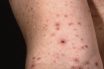
Pityriasis lichenoides
Is a rare skin disorder of unknown aetiology characterised by multiple papules and plaques.
-
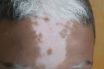
Piebaldism
Rare autosomal dominant disorder of melanocyte development characterized by distinct patches of skin and hair that contain no pigment. An infrequent genetic condition where uneven patches of missing dark pigment melanin lead to depigmented sections of skin and, at times, hair. Frequently, a white segment appears at the center of the face, which can encompass…
-
Phytosterols
A group of steroid alcohols, cholesterol-like phytochemicals naturally occurring in plants like vegetable oils, nuts and legumes. A plant-based compound that lowers levels of cholesterol in the blood. General name given to sterols occurring in plants, the chief of which is sitosterol. A sterol related to cholesterol found in plants. Any sterol present in vegetable…