Category: R
-
Relaxant
An agent used to relieve muscular or nervous tension. A substance that reduces tension. Substance that promotes relaxation (either muscular or psychological). Substance that relieves stress, strain and tension. A substance which relieves strain. Drug or device that reduces muscle tension or relieves anxiety. An agent that reduces tension and strain, particularly in muscles. Substance…
-

Reye’s syndrome
A rare disorder in children and teenagers while recovering from childhood infections, such as chicken pox, flu, and other viral infections. Reye’s syndrome include nausea, severe vomiting, fever, lethargy, stupor, restlessness, and possibly delirium. Also caused by taking aspirin in children less than 16 years old. A potentially fatal disease affecting the liver and brain…
-
Retching
Strong involuntary effort to vomit. The fact of attempting to vomit without being able to do so. Intense rhythmic contraction of the respiratory and abdominal muscles that may precede or accompany vomiting. Frequent and typically involuntary efforts to vomit that do not result in success.
-
Rectocele
Hernial protrusion of part of the rectum into the vagina. A hernia in females in which part of the rectum protrudes into the vagina. A condition associated with prolapse of the uterus, in which the rectum protrudes into the vagina. Protrusion of the rectum, and often part of the posterior wall of the vagina, into…
-

Runcible spoon
In 1871, Edward Lear, a Victorian artist and author, wrote a book of nonsense verse that included this passage from a poem called “The Owl and the Pussy-Cat”: “They dined on mince, and slices of quince, which they ate with a runcible spoon.” Over the next twenty years, other runcible items appeared in Lear’s poetry,…
-

Rum
Before it was known as rum, the alcoholic spirit made from sugar cane was called kill-devil, so named because the crude rum made by English colonists in the Caribbean was, according to one seventeenth-century author, a “hot, hellish, and terrible liquor.” Kill-devil, which dates back to at least 1639, was joined a few years later…
-

Rue (Ruta graveolens)
Rue also known as Herb of Grace. Although the culinary use of this bitter herb is banned in France because of the unfounded belief that it can induce abortions, rue is employed in eastern Europe to flavour cream cheeses and marinades. The herb’s name is not related to the rue that means to be sorrowful,…
-
Rubbaboo
Although you will not find a recipe for pemmican in The Joy of Cooking, generations of grade seven history texts, recounting how this Native American food kept the early explorers alive, have made the word pemmican familiar to all Canadians. In contrast, rubbaboo, a stew made by boiling pemmican in water with a little flour,…
-
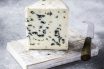
Roquefort
This cheese takes its name from the place it is made, Roquefort, in southwest France. As the name of a cheese, the word first appears in English in the early nineteenth century, but of course the name of the village is much older: the place takes its name from two Old French words literally meaning…
-

Romano cheese
The strong-tasting, hard cheese known as Romano and the long-leafed lettuce known as romaine both originated in Italy, both came to be known in English in the early twentieth century, and both have names that mean Roman; the words differ slightly in spelling, however, because Romano is Italian (and masculine in gender) while romaine is…