Category: T
-

Tangerine
The tangerine was originally called the tangerine orange, because the fruit was first imported into western Europe through Tangier, a Moroccan seaport on the Strait of Gibraltar. By the mid nineteenth century, the name had been shortened to tangerine, and by the late nineteenth century the fruit was familiar enough that tangerine was also being…
-

Tamarind
Although the tree that produces tamarind is native to Africa, the name of this spice actually means date of India. The name originated from the Arabic tamar, meaning dried date, and hindi, meaning India; the Arabs bestowed this name upon the tamarind tree because its pods resemble dates, and because India was their main source…
-

Tamale
The Mexican dish made by placing spiced, chopped meat on a layer of corn meal and lard and then cooking it on the husk of a corn cob was named tamalli by the ancient Aztecs; the Spanish adopted the word as tamal, which was borrowed by English in the middle of the nineteenth century. Technically…
-
Tahina
Made by crushing sesame seeds into a smooth paste, the Mediterranean sauce known as tahina or tahini derives its name from the Arabic tahana, meaning to grind. The word first appeared in English at the end of the nineteenth century but did not become well-known until the 1950s when Mediterranean cuisine came into vogue. A…
-
Tafelmusik
The German word tafelmusik literally means table music just as tafelwein is German for table wine. Tafelmusik was originally intended to be performed during a banquet or feast while the guests dined. Although a popular musical genre in the eighteenth century the word is not recorded in English until the late nineteenth century. The word…
-
Table d’hote
The table of the host is what the French phrase table d’hote literally means. It was borrowed by the English early in the seventeenth century to refer to the large, communal table found in most inns where everyone, friends and strangers alike, sat to be served whatever meal the host and his servants had prepared…
-
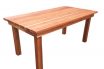
Table
When the word table entered English sometime before the tenth century, it did not refer to an article of furniture found in a kitchen—or anywhere else for that matter—but rather to a wooden board or a flat slab of rock. Not surprisingly, therefore, when table did shift in meaning at the beginning of the fourteenth…
-

Tabbouleh
Made from boiled, crushed wheat, tabbouleh derives its name—sometimes spelt tabbouli—from the Arabic tabil, meaning seasoning, a reference to the zesty herbs, onion, mint, tomato, and lemon used to flavour the dish. The dish was first referred to in English in the 1950s.
-
Tabasco
The hot chili peppers used to make Tabasco sauce derive their name from Tabasco, a city in Mexico where Edmund Mcflhenny, the inventor of Tabasco sauce, acquired the seeds of the pepper plants that eventually grew into a fiftymillion-bottle-a-year business. As a sauce, Tabasco has existed since 1868; as a city in Mexico, whose name…
-
Type specimen
The actual physical specimen (e.g., a stuffed lizard or a dried insect) that a scientist (who describes and names a previously unknown species) must place in a museum (or other recognized repository) in order to have the right to name that newly discovered species. This “officially deposited specimen” is required for three purposes: So that…