Mindblown: a blog about philosophy.
-
Technical efficiency
The extent to which the most appropriate technologies, e.g., MRI studies, are devoted to the solution of problems, such as the diagnosis of diseases of the spinal cord, regardless of their economic costs or sociopolitical impact.
-
Phosphonate
A radioactive tracer consisting of lechnetium-99m linked to methylene diphosphonate. It is used in nuclear medicine to obtain images of bone and bone diseases, e.g., fractures not seen on plain x-rays, malignancies, and osteomyelitis.
-
Teatulation
The development of a nipple-like elevation.
-

Teaspoon
A household measure equal to approx. 5 ml. Teaspoons used in the home vary from 3 to 6 ml. Because household measures are not accurate, when a teaspoon dose is prescribed or ordered, 5 ml of the substance should be given.
-
Tease
To separate a tissue into minute parts with a needle to prepare it for microscopy.
-
Crocodile tear
Tears and excessive saliva produced during eating. This condition is present when nerve fibers of the salivary glands grow abnormally into the lacrimal glands following Bell’s (seventh nerve) palsy.
-
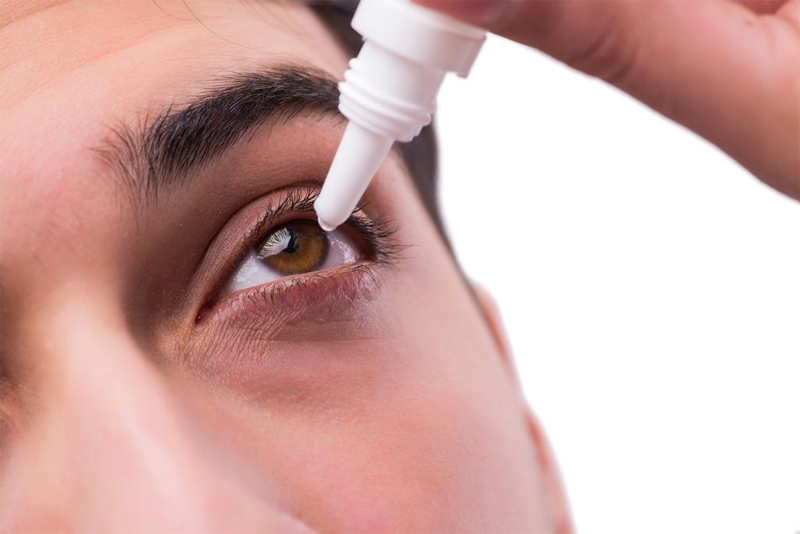
Artificial tear
A solution used to lubricate the conjunctivae. Formulations utilized to augment tear production in conditions like keratoconjunctivitis sicca, which result in dry eyes and discomfort, are known as tear supplements. These preparations are employed to alleviate irritation and enhance moisture in the eyes.
-
Tear film
A liquid consisting of lipids, water, and mucin that coats the outer surface of the eye, lubricating it.
-
Tear break-up test
A test for dry eyes in which fluorescein sodium is applied to the cornea. The amount of time it takes for the first dry spots to appear on the cornea is determined. A TBUT time of less than 10 seconds suggests poor tear film stability.
-
Bucket handle tear
A longitudinal tear, usually beginning in the middle of a meniscus (cartilage) of the knee.
Got any book recommendations?