Mindblown: a blog about philosophy.
-
Desmoid tumor
An abnormal growth that is firm, fibrous, and rubbery. Desmoids most often occur in the abdominal wall, but may also develop in the head, neck, arm, or legs. In the abdomen, these tumors are most common in women who have had children. Growths may also develop at the site of old surgical incisions. Most desmoid…
-
Dermatographism
Hives produced by rubbing, stroking, or friction on the skin; also known as dermographism. In dermatographism, histamine is released, causing capillaries (small blood vessels) to dilate, leading to redness and localized swelling. Dermatographism is a nonallergic cause of hives and is usually brought on by scratching. Long, raised, narrow, and itchy hives exactly follow the…
-
Dermatofibroma
A nodule (a solid mass of tissue) or small, round bump on the skin. Dermatofibromas may be pink or brown and are commonly found on the arms and legs of adults. They are believed to follow mild trauma or injury. Dermatofibromas are common, common, benign (not cancerous), and painless. However, they may persist indefinitely. A…
-
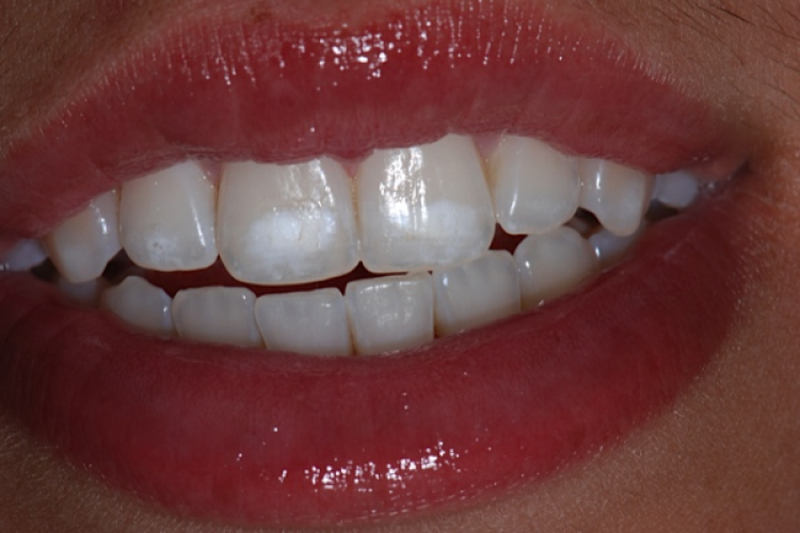
Dental decalcification
The loss of calcium from the hard enamel covering the teeth. The enamel is made up almost entirely of calcified material. The result of dental decalcification is the loss of the hard, smooth tooth surface, which becomes chalky and porous as the enamel dissolves. This makes the tooth more susceptible to decay. The condition is…
-
Day treatment program
Extended a psychotherapy, counseling, and education in a nonresidential setting. Day treatment programs are used for a wide variety of emotional, psychological, and neurological problems, such as alcohol and substance abuse, anxiety disorders, and stroke. Day treatment may also be recommended for people with attention deficit/hyperactivity disorder (ADHD), traumatic brain injury, Alzheimer’s disease, Parkinson disease,…
-
Cytopathology
A branch of pathology is concerned with the manifestations of disease in cells. Cytopathology is particularly useful in the diagnosis of precancerous and cancerous diseases. The study of the cellular changes in disease.
-
Cytopathologist
A physician who specializes in cytopathology, the Study of disease-related changes within cells. Cytopathologists are usually trained in anatomical pathology (the study of the effects of disease on the structure of the body), and they focus on disease at the cellular level.
-
Cytologist
A person who specializes in cytology, the branch of biology that focuses on the formation, origin, structure, function, activities, and pathology of cells. For example, a cytologist may perform a microscopic evaluation of cells on a slide made during a Pap smear to check for signs of a malignant tumor.
-
Cyclobenzaprine
A drug that treats pain and stiffness caused by muscle spasms. Cyclobenzaprine (Flexeril) relaxes muscles, relieving pain and discomfort of strains, sprains, spasms, and other muscle injuries. It may cause drowsiness and should be used with care. A tricyclic antidepressant analog and centrally acting skeletal muscle relaxant. It is administered orally to manage acute painful…
-
Dental cusps
The raised, rounded points on the surface of the upper and lower back teeth. Cusps serve to tear and chew food. The teeth that have dental cusps include the following: the cuspids (the pointed teeth next to the incisors, called canines or eye teeth); the bicuspids (the teeth located between the canines and molars, called…
Got any book recommendations?