Mindblown: a blog about philosophy.
-
Facial palsy
An abnormal neurological condition characterized by weakness or paralysis of the facial muscles. One common form of facial palsy is Bell palsy, a condition caused by damage to or dysfunction of the facial nerve. Other possible causes of facial palsy include strokes, tumors, and infections (such as shingles). Any case of facial weakness, paralysis, or…
-
Drooping eyelid
Also known as ptosis or blepharoptosis, drooping of one or both upper eyelids can be an acquired or congenital condition. There are many different causes of drooping eyelids. It sometimes can be associated with eye movement abnormalities or pupillary problems. These include injuries, tumors, inflammation, and disease (such as diabetes mellitus, type 1 or type…
-
Eyelid surgery
A procedure that tightens bagging or drooping eyelids by removing excess tissue; also called blepharoplasty. Typically, eyelid surgery is performed for cosmetic reasons; baggy eyelids make an individual look older and more tired than he or she feels. Cosmetic eyelid surgery can be performed alone or along with another cosmetic surgery, such as a facelift.…
-

Prosthetic eye
An artificial, cosmetic replacement for an eye lost to trauma or surgery; also known popularly as a glass eye. Since the middle 1980s, the most widely used materials are hydroxyapatite, an inert porous substance, and porous polyethylene. The material is shaped into a sphere, then wrapped in sclera (the tough, white, fibrous outer covering of…
-
Examination of eye
A series of tests performed to measure the eyes’ ability to see clearly and to screen for common eye diseases. If one sees normally, an eye examination every 3 to 5 years during adulthood until age 50 years is recommended. After that, the eyes should be examined more frequently. If one wears or needs glasses,…
-
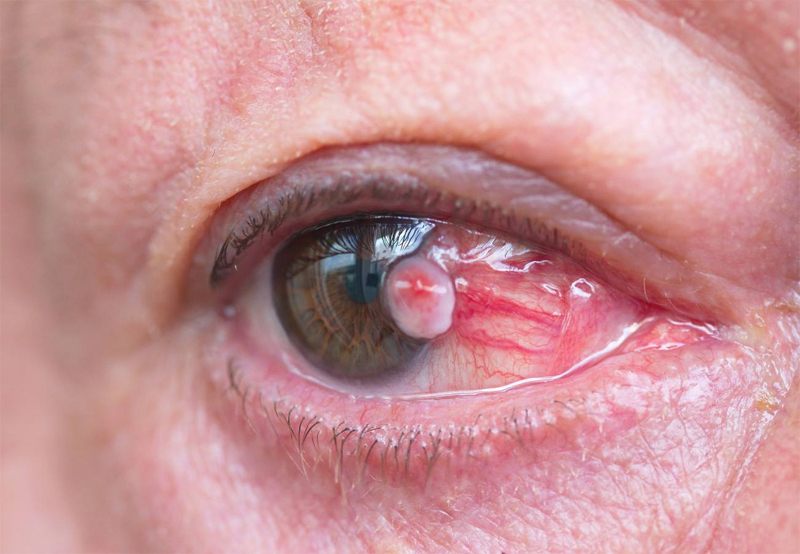
Eye tumors
Abnormal growth of tissue in the eyeball or its surrounding structures. Eye tumors can be benign, or noncancerous: that is, their growth is confined to a particular body structure and they do not metastasize or spread throughout the body. Some are malignant (cancerous): that is, they can spread and threaten life.
-
Eye injury
Physical damage to the eye or its surrounding tissue as a result of accident or mishap. Eye injuries may be caused by foreign objects (most commonly, contact lenses), blunt trauma, burns, or penetrating injuries, the most traumatic and dangerous type of damage.
-
Explosive disorder
A mental illness characterized by repeated episodes of serious violence against people or property that occur with little or no provocation. Relief follows the violent episode, and the individual usually expresses upset, remorse, regret, or embarrassment. Since explosive disorder is very rare, little is known about what causes of the disorder. Similar outbursts can be…
-
Strengthening exercise
Physical activity that builds strength in the muscles. Strengthening exercises may also improve posture and balance. Exercises that strengthen muscles help support the joints, which can help reduce the symptoms of arthritis. Improved strength may help decrease the risk of injuries and improve a person’s ability to perform many activities of daily life.
-
Resistance exercise
Strength-building exercise that requires the muscles to push against or resist the weight of an object or a force, such as gravity. Resistance exercise, which may also be called strength training, body building, body sculpting, and strengthening exercise, can also increase a person’s endurance. Exercise in which a muscle contraction is opposed by an outside…
Got any book recommendations?