Mindblown: a blog about philosophy.
-
Cancer screening
Tests performed on people without symptoms to identify possible cancer at an early stage. Screening tests have been used effectively for cancers of the breast, cervix, colon, and prostate gland. Screening for lung cancer is not yet successful. A small, painful sore or ulcer that occurs inside the mouth. It is usually surrounded by an…
-
Calorie requirements
The amount of energy required by the body for normal function, growth, repair, and physical activity. Daily calorie requirements vary from person to person and depend largely on how active an individual is. To maintain health, sedentary women and older people must take in about 1,600 calories a day. Active women, children, teenage girls, and…
-

Skin callus
An area of tough, thickened skin caused by pressure or friction. Calluses commonly develop on the palms, fingertips, and soles of the feet. Calluses are most often associated with specific types of work and sport. Calluses can cause tenderness or pain under the skin. Self-treatment of calluses includes using a file, pumice stone, or towel…
-
Bony callus
The newly formed soft bone that develops after a bone fracture and during the bone’s healing process. Bony callus may also refer to a thickening of the surface layer of the skin over a bony prominence, usually on the feet, but also on the hands. Such a callus usually forms in response to pressure. Symptoms…
-
Urinary tract calculus
A stone that forms in the organs that produce and transport urine, including the kidneys, ureters (tubes connecting the kidneys and bladder), and the bladder. These stones form from crystalline materials normally present in the urine. They begin most often in the kidney and are commonly known as kidney stones; the rarer bladder calculi are…
-
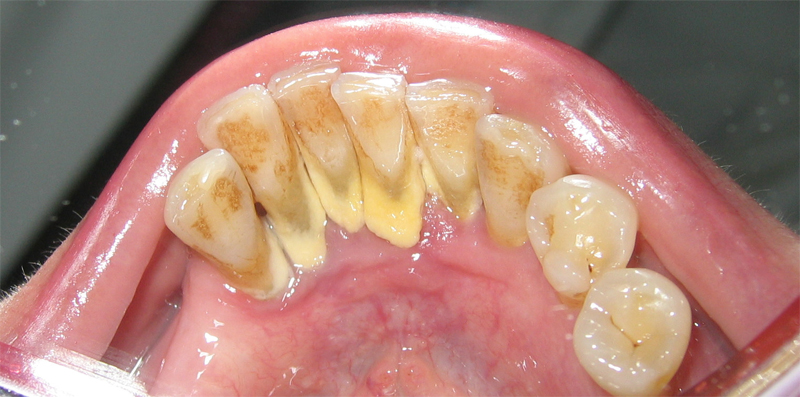
Dental calculus
A mineralized, porous deposit that hardens and adheres to the crowns and roots of the teeth. Dental calculus, also called tartar, is caused by the accumulation of plaque. Once calculus has formed, it traps more plaque. The bacteria in the plaque produce toxins that irritate the gums and can cause the destruction of fibers that…
-
Bypass surgery
A procedure to detour around obstructions in the arteries providing blood to the heart. Bypass surgery, known technically as coronary artery bypass grafting (CABG), is used to treat atherosclerosis, a disease in which deposits of fat and other materials clog the arteries, causing angina (chest pain) and often leading to heart attack. Bypass surgery is…
-

Heat burns
Injury caused by exposure to dry heat sufficient to damage the skin. Heat burns, also called thermal burns, can have many causes, including contact with an open flame, hot objects, explosions, and the sun. Heat burns are classified according to degree of severity. About 2 million people in the United States receive burns each year;…
-

Electrical burns
Injury caused by contact with electricity. Sources of electricity that can cause burns when an unprotected portion of a person’s body comes in contact with them include power lines, lightning, defective household electrical equipment, and unprotected electrical outlets. As electrical current goes into the body, it is converted to heat that can cause extensive damage…
-
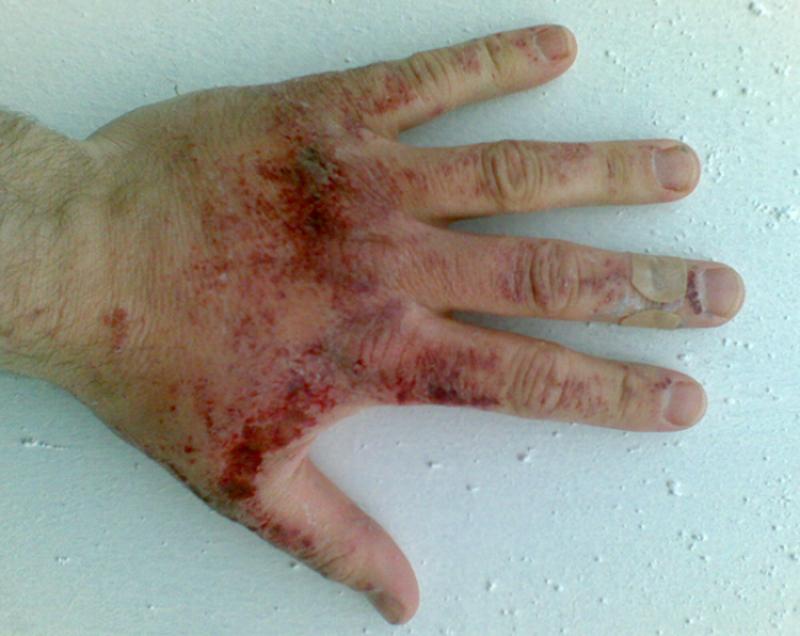
Chemical burns
Injury to the skin caused by corrosive chemicals. Chemical burns are reactions that occur when a person’s skin comes in contact with acids, alkalis, or other corrosive agents, in which chemical energy is converted into heat. Chemicals will usually continue to burn the skin as long as they are in contact. The stronger the chemical…
Got any book recommendations?