Mindblown: a blog about philosophy.
-

Spider bites
Only a few spiders in North America are poisonous to humans; these include the black widow spider and the brown recluse spider. Both prefer warm climates and dark, dry places where flies are plentiful; they often live in outdoor toilets, wood, rock, and brush piles or in dark garages and attics. Bites usually occur on…
-
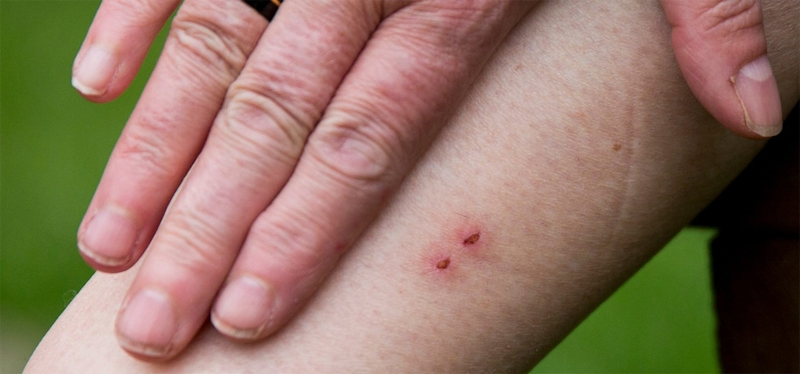
Reptile bites
Most reptiles, such as turtles and snakes, are not poisonous, and their bites can be treated with first aid, including thorough washing of the area, applying antibiotic cream or ointment, and bandaging. The best way to reduce the risk of being bitten by a reptile is not to handle them. Only people with proper training…
-
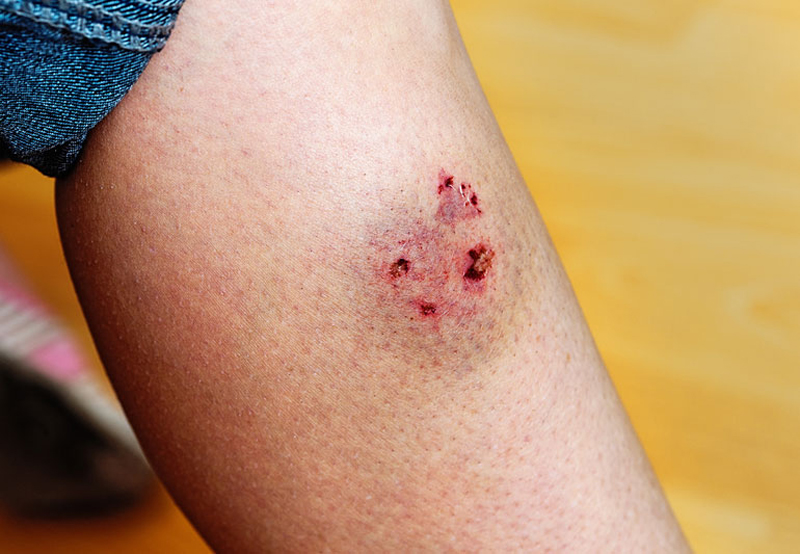
Animal bites
Animal bites are usually puncture wounds and are most often from pets, particularly dogs. Cat bites are more serious than dog bites, because they tend to be deeper and thus much more likely to become infected. Puncture wounds occurring when a person’s flesh is caught between the upper and lower teeth of an animal. Animal…
-
Bites and stings
Wounds delivered to people through contact with humans, animals, and insects. Bites and stings can be minor or serious. Medical treatment should be sought if the person bitten develops swelling, redness, or pus or has not had a tetanus shot in 10 years, or if the wound requires stitches. Potentially dangerous bites and stings can…
-
Bipoiar disorder
A mental illness characterized by swings in mood from extreme elation and energy (mania) to abnormal sadness and lethargy (depression). The swings may be brief (minutes) or long (years). Bipolar disorder is also known as manic-depressive illness. If a person with manic-depressive illness loses contact with reality, the disease is considered a psychosis.
-
Biotherapeutic agents
Medically useful drugs whose manufacture involves microorganisms or enzymes produced by microorganisms. Most biotherapeutic agents are produced by genetic engineering, or bioengineering. Because biotherapeutic agents are either identical or similar to proteins produced naturally in the body, they are expected to have less potential to cause side effects than traditional drugs. This is particularly important…
-
Bioterrorism
The intentional use of chemical or germ (infectious biological) agents on a population as a weapon. Health care workers are usually the first to recognize when such an outbreak has occurred. The infectious agents are usually invisible, odorless, colorless, and tasteless, but are highly potent and capable of doing great harm. Terror attacks on civilian…
-
Bile duct obstruction
A condition in which bile is blocked from entering the intestines, creating pressure in the bile ducts. Bile duct obstruction may be due to scar tissue from inflammation, gallstones (hard masses that can form in the gallbladder), bile duct cancer, or pancreatic tumors. When a bile duct experiences a blockage or narrowing, it can cause…
-
Bile duct cancer
Cancer in the ducts that carry bile from the liver to the gallbladder and small intestine. Bile duct cancer occurs most frequently between ages 50 and 70. People who have a history of colitis or gallstones are more likely to develop the disease. Jaundice, a yellowing of the skin and the whites of the eyes,…
-
Bezoar
A ball of indigestible material in the stomach. Bezoars can be composed of hair, fiber, or other indigestible material. Although they are most common in children, bezoars can also occur in adults following partial gastrectomy (surgical removal of part of the stomach). People with diabetes are also more likely to develop bezoars. Trichobezoars are bezoars…
Got any book recommendations?