Mindblown: a blog about philosophy.
-
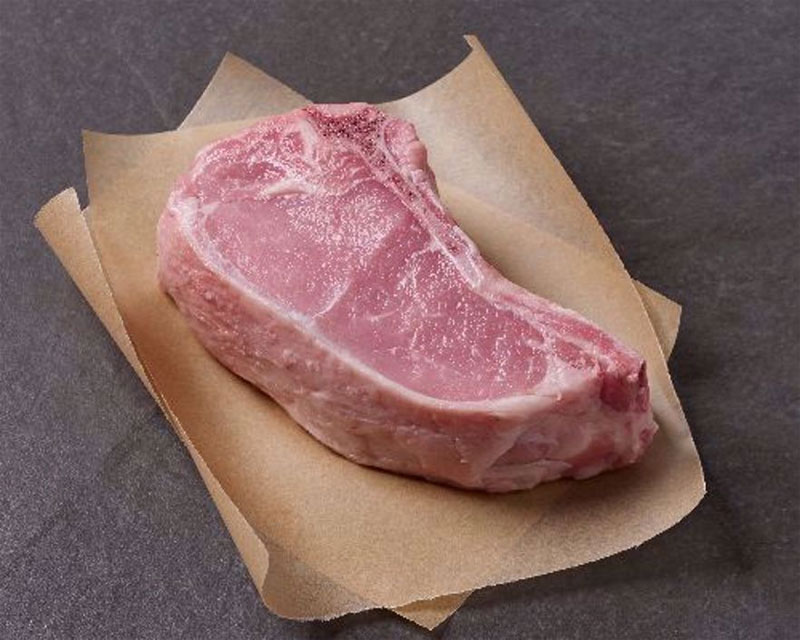
Veal
Meat from an immature bovine. This term refers to the meat of a young calf, typically between six to eight weeks old and weighing no more than two hundred pounds. Ideally, the calf is milk-fed, resulting in a tender and lean meat that is highly prized by many. While this type of meat is generally…
-
Vasoactive compounds
Compounds that elicit either vasoconstriction or vasodilation.
-
Valsartan
An angiotensin II antagonist that serves as an antihypertensive agent. A drug used to treat high blood pressure. Valsartan (Diovan) is an angiotensin II inhibitor. The drug works by blocking the action of angiotensin II, a substance in the body that causes blood vessels to tighten, thereby raising the blood pressure. By relaxing the blood…
-
Validity of a measurement
The concordance between the value of a measurement and the true value. A high reproducibility is a prerequisite for validity but does not automatically imply validity. With regard to the validity of the results of epidemiological studies, a distinction is made between internal and external validity.
-
Valdecoxib
A nonsteroidal anti-inflammatory drug that works by inhibiting the COX-2 enzyme.
-
Vaccenic acid
A naturally occurring trans fatty acid that has antiatherogenic effects in LDL-receptor-deficient individuals.
-
Uridine
Uracil with a ribose group attached. A nucleoside that is one of the four main riboside components of ribonucleic acid. It consists of uracil and D-ribose.
-
Urea cycle
A cyclic series of reactions that converts carbamyl phosphate to urea. The complex cyclic chemical reactions in some (ureotelic) animals, including humans, that produce urea from the metabolism of nitrogen-containing foods. This cycle provides a method of excreting the nitrogen produced by the metabolism of amino acids as urea.
-
Ultra trace elements
Minerals required in extremely small amounts. Any of those elements for which laboratory animals seem to have tiny dietary requirements, typically less than 1 μg/g. Elements in this category include arsenic, boron, bromine, cadmium, chromium, fluorine, lead, lithium, molybdenum, nickel, selenium, silicon, tin, and vanadium.
-
Tripeptides
Three amino acids joined together via the peptide bonds. A tripeptide is three amino acids linked together by peptide bonds. The product of a combination of three amino acids formed during proteolytic digestion.
Got any book recommendations?