Mindblown: a blog about philosophy.
-
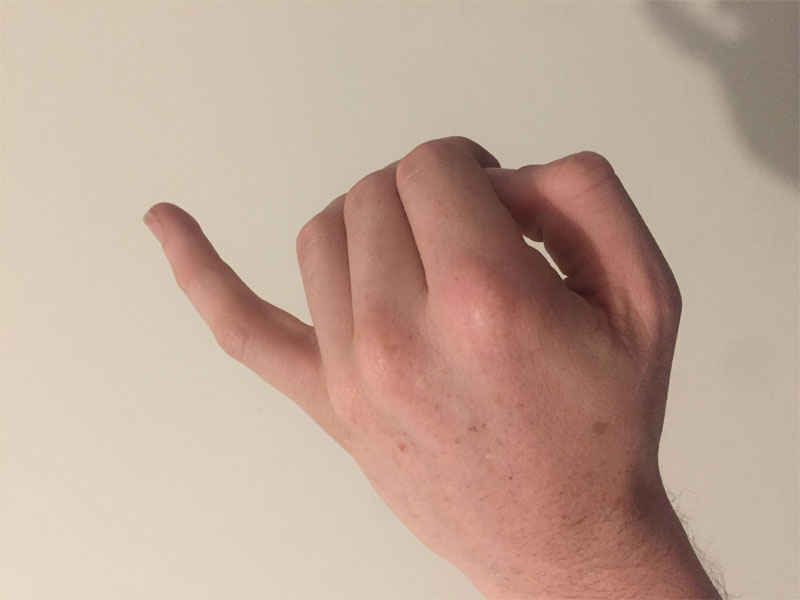
Little finger
The smallest finger on the hand.
-
Litmus paper
A small piece of paper impregnated with litmus, used to test for acidity or alkalinity. Chemically prepared blue paper that is turned red by acids and remains blue in alkali solutions; pH range is 4.5 to 8.5.
-
Litmus
A substance which turns red in acid and blue in alkali. Litmus, which is prepared from several lichens, is a vegetable dye-substance, which on contact with alkaline fluids becomes blue, and on contact with acid fluids, red. Slips of paper, impregnated with litmus, form a valuable test for the acidity of the secretions and discharges.…
-
Lithuria
The presence of excessive amounts of uric acid or urates in the urine.
-
Lithuresis
The passage of small stones from the bladder during urination.
-
Lithotrite
A surgical instrument which crushes a stone in the bladder. A device inserted into the urinary bladder for the purpose of crushing a stone.
-
lithotomy
A surgical operation to remove a stone from the bladder. Surgical removal of a stone (calculus) especially from the urinary tract. The surgical removal of a stone (calculus) from the urinary tract. The operation of cutting for stone in the bladder. The operation is of great historic interest, because more has probably been written about…
-
Lithonephrotomy
A surgical operation to remove a stone in the kidney.
-
Litholapaxy
The evacuation of pieces of a stone in the bladder after crushing it with a lithotrite. The operation of crushing a stone in the bladder, using an instrument called a lithotrite. The small fragments of stone can then be removed by irrigation and suction. The term applied to the operation in which a stone in…
-
Lithagogue
A drug which helps to remove stones from the urine. An agent that promotes the removal of stones (calculi), such as kidney stones in the urine or gallstones from the gall bladder.
Got any book recommendations?