Mindblown: a blog about philosophy.
-
Musk Mallow (Malva moschata)
Handsome rose-mauve flowers attract honey bees. Leaves emit faint musky odour, especially during warm weather or when drawn through the hand. Useful for inflammations of the alimentary, urinary and respiratory systems.
-
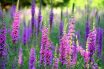
Purple Loosestrife (Lythrum salicaria)
Once highly esteemed for curing chronic diarrhea and dysentery. Rarely used in medicine now, loosestrife is grown for the beauty it lends to the garden.
-
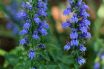
Lobelia great (Lobelia siphilitica)
Showy native of the United States with large blue flower spikes. Employed by Indians in combination with mayapple (Podophyllum pekatum) roots to treat venereal disease.
-
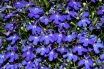
Lobelia (Lobelia inflata)
In small doses lobelia acts as a stimulant, especially on the respiratory system. In larger doses it acts as a nerve depressant, and is useful for asthma and whooping cough. Should not be used without medical supervision as excessive doses can cause severe depression.
-
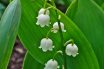
Lily of the Valley (Convallaria majalis)
Pure white, fragrant flowers and pale green foliage. Strengthens and regulates the heart.
-
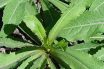
Wild Lettuce (Lactuca virosa)
Dried milky juice, called lactucarium or lettuce opium, was once used to induce sleep and to treat nervous disorders.
-
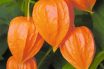
Lantern Plant (Physalis alkekengi)
Edible berries are borne inside fascinating orange Chinese lantern-like calyces. Berries are eaten raw, or in preserves and pies. Recommended for fevers and gout.
-
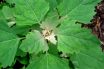
Lambs Quarters (Chenopodium album)
Common weed, popular as a potherb. Young tender plants are a pleasant spinach substitute when boiled and served with butter. Also served raw in salads. Rich source of vitamins A and C.
-
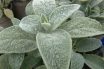
Woolly Lambs Ear (Stachys byzantina)
Delightful soft, downy foliage resembles lamb’s ears in feel and appearance. Silvery appearance is ideal for contrasting and grey gardens. Formerly used to bandage wounds.
-

Joe-Pye Weed
Tall, graceful native of eastern United States. Leaves vanilla-scented when crushed; flowers rosy-purple. Indians and pioneers used it to induce sweating to break fevers. Valuable remedy for kidney problems. Joe-Pye Weed also known as Eupatorium purpureum.
Got any book recommendations?