Mindblown: a blog about philosophy.
-
Type specimen
The actual physical specimen (e.g., a stuffed lizard or a dried insect) that a scientist (who describes and names a previously unknown species) must place in a museum (or other recognized repository) in order to have the right to name that newly discovered species. This “officially deposited specimen” is required for three purposes: So that…
-
Turnover number
The number of molecules of a product produced per minute by a single-enzyme molecule when that enzyme is working at its maximum rate. That is, the number of substrate molecules converted into a product by one enzyme molecule per minute when that enzyme is “going (catalyzing) as fast as it can.”
-
Tumor-suppressor proteins
Proteins that are coded-for (i.e., caused to be manufactured in the cell’s ribosomes) by tumorsuppressor genes (e.g., the p53 gene). Such proteins then act upon the cell’s DNA in order to prevent uncontrolled cell growth and division (i.e., cancer).
-
Tumor-suppressor genes
Also called anticancer genes. Genes within a cell’s DNA that code for (i.e., cause to be manufactured in cell’s ribosomes) proteins that hold the cell’s growth in check. If these genes are damaged (e.g., by radiation, by a carcinogen, or by chance accident in normal cell division), they no longer hold cell growth in check—and…
-
Tumor-infiltrating lymphocytes (TIL cells)
The white blood cells of a cancer patient which have been: Taken from that patient’s tumor (where those white blood cells had been attempting to combat the cancer, albeit unsuccessfully) Stimulated with doses of interleukin-2 (to make the lymphocytes more effective against the cancer) Multiplied in vitro (i.e., outside of the patient’s body) to make…
-
Tumor-associated antigens
Discovered by Thierry Boon in 1991, these are distinctive protein molecules that are produced in the surface membrane of tumor cells. These protein molecules are used by the body’s cytotoxic T cells to recognize (and destroy) tumor cells, so such proteins hold promise for use in vaccines.
-
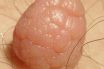
Tumor
A mass of abnormal tissue that resembles normal tissues in structure, but which fulfills no useful function (to the organism) and grows at the expense of the body. Tumors may be malignant or benign. Malignant tumors (which infiltrate adjacent healthy tissues) can result from oncogenes and/or carcinogens. They eventually kill their host if unchecked. Generally…
-
Trichosanthin
An enzyme extracted from a specific Chinese plant. It has been discovered to “cut apart” the ribosomes in cells that are infected with the HIV (i.e., AIDS) virus, thus stopping the virus and preventing infection of additional cells. When purified into a pharmaceutical, this enzyme is called GLQ223 or compound Q. Other potential uses of…
-
Trichoderma harzianum
A microorganism that possesses (natural) fungicide activity.
-
Treatment IND regulations
Food and Drug Administration (FDA) regulations promulgated in 1987, to provide a more rapid formal phannaceutical approval mechanism than the usual IND (Investigational New Drug) regulatory approval process. Its purpose is to enable drug developers to provide promising experimental drugs to patients suffering from immediately life-threatening diseases or certain serious conditions (e.g., acquired immune deficiency…
Got any book recommendations?