Mindblown: a blog about philosophy.
-
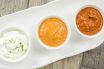
Chutney sauce
These sauces are made with fruit, vinegar, sugar, onions and pickling spices which are cooked until thickened like preserves. They are used as complements to stews, lamb and cold cuts.
-
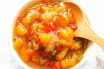
Chutney
A condiment made with fruit and onions. Since the early nineteenth century, the British have used chutney to enliven any part of a meal—excluding the conversation—that is bland or lacking in taste. The word chutney, like the spicy condiment itself, originated in India: the original Hindi word, chatni, meaning strong spices, may have derived from…
-

Churros
Spiced fritters. A batter made of flour and water, modestly expelled in limited proportions via a pastry tube, is introduced into scorching oil containing a slice of bread and half of a lemon that have been toasted, resulting in a fritter possessing a recognizable and singular taste.
-
Chroma
One of the three terms used in the Munsell notations to denote color, referring to the amount of saturation or purity of the color.
-

Chowder
A thick soup, usually made with seafood and milk. “The chowder in the cauldron was high in calories.” This short sentence contains three culinary terms that derive from the Latin verb calere, meaning to be hot. This Latin verb gave rise to a Latin noun, calidarium, the name of a tub in which Romans took…
-

Chorizo
A spicy, smoked pork sausage. A cylindrical meat product composed of ground pork, infused with chili powder, minced garlic, tangy vinegar, and various other spices, then stuffed into a tubular container made of animal intestines or synthetic materials. Chorizo is a type of hot sausage that originated in Spain. It is imported into the United…
-

Chop
To cut into small pieces with chopper or sharp knife. A diminutive section of flesh, encompassing a portion of the skeletal rib, often marked with a perpendicular “T” shape, thereby presenting a segment of both the tenderloin and sirloin. A bone-in cut of meat that is typically 1 to 1 ½ inches thick and commonly…
-
Cholesterol levels
240 mg/deciliter of blood = “High Risk”, 200-239 = “Borderline”, below 200 = “Desirable”.
-
Chlorine dosage
The total amount of chlorine added to water.
-
Chlorine dioxide
A combination of chlorine and oxygen gases, prepared on-site and used like chlorine as a sanitary agent.
Got any book recommendations?