Mindblown: a blog about philosophy.
-
Can code
A means of identifying individual containers of food. The code is embossed in the can or spray painted on the container.
-
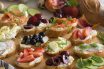
Canapes
Small pieces of fried or toasted bread with seasoned toppings. As unlikely as it sounds, the word canape, the name of those minuscule open-faced sandwiches you get at cocktail parties, derives from the ancient Greek word for mosquito. The ancient Greeks, irritated at having their philosophical debates and nude wrestling cut short by the stings…
-
Can, sanitary
Full, open-top can. The can may be drawn or manufactured all in one piece or it may have a double seamed bottom, thus a two piece container. The lid, cover, or top end is double seamed after filling.
-
Calendering
Subjecting a material to pressure between two or more counter-rotating rollers.
-
Calcium stearate
An anticaking agent and emulsifier.
-
Calcium propionate
A mold inhibitor.
-
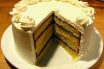
Cake
A baked mixture of flour, milk, egg, sugar, flavoring and leavening agent. From a linguistic point of view, the defining feature of cake is not its taste or its ingredients, but its shape: cakes are round but flat on top, whether they are made from bread dough (as they originally were back in the thirteenth…
-
Cajun
A hot, spicy form of cooking for foods using red peppers.
-
Cafe
Establishment where, in principle, only liquid refreshments are served.
-
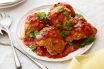
Cacciatore
Means “hunter style,” popular American version of chicken stewed with tomatoes and/or onions, garlic, anchovies, wine and vinegar. The German jaeger (the j is pronounced like a y), the French chasseur, and the Italian cacciatore all mean hunter and are all applied to certain dishes, usually simple in nature, either made from wild game or…
Got any book recommendations?