Mindblown: a blog about philosophy.
-
Viral g. t
Method of gene therapy that uses viruses as gene delivery vectors; viruses have a portion of their genome replaced by a therapeutic gene. The most widely used viruses are adenovirus, adenoassociated virus, lentivirus, and retrovirus.
-
Nonviral g. t
Method of gene therapy that uses nonviral vectors to deliver genetic material into target cells, i.e., plasmid DNA and synthetic vectors (e.g., lipoplexes, polyplexes).
-
Gene therapy
Treatment of human disease by the transfer of genetic material into specific cells. A new, still largely experimental approach to treating genetic disorders, which involves inserting into the body (by various means) cells containing healthy genes to replace the defective ones, and perhaps in the future also actually manipulating the body’s genes to correct defects.…
-
Gene
A segment of a DNA molecule coded for the synthesis of a single polypeptide; a unit of genetic information. Hereditary factor, unit of inheritance, a long strand of DNA. The functional and physical unit of heredity passed from parent to offspring. Genes are pieces of DNA, and most genes contain the information for making a…
-
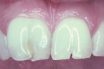
Gemination
Teeth that are structurally united and have developed from the same tooth germ. The development of two teeth or two crowns within a single root.
-
GBR (abbrev)
Guided bone regeneration.
-
Gap distance (syn)
Jumping distance. The space between the bony walls of an osteotomy or an extraction socket and a dental implant at stage one surgery. The dimension of the gap and type of implant surface influence the level of the first bone‐to‐implant contact.
-
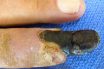
Gangrene
Death of a mass of tissue, generally associated with loss of vascular (nutritive) supply and followed by bacterial invasion and putrefaction. Death of masses of body tissue, followed by bacterial invasion and subsequent decay; usually, but not exclusively, associated with the loss or interruption of blood supply to a tissue area. Death of tissue caused…
-
Galvanism
Induction of an electrical current between two materials with different electronegativities. This can produce nerve or muscle stimulations. An accelerated oxidization of a metal from an electrical interaction with a more noble metal in a corrosive electrolyte. The consequential current flow can create nerve stimulation, an electric shock‐like experience, or a disagreeable taste. A treatment…
-
Galvanic stimulation
Excitation of muscle fibers by applying mild electrical current.
Got any book recommendations?