Mindblown: a blog about philosophy.
-
Bar clasp
A clasp retainer whose bodyextends from a major connector or denture base, passing adjacent to the soft tissues and approaching the tooth from a gingivoocclusal direction bar clasp arm.
-
Bar attachment system
Specific design of an attachment in which the patrix spans a specified width that the matrix matches. Each element is part of a prosthetic structure that spans two or more natural teeth and/or implants and is fixed intraorally with the matrix, which is incorporated within the prosthesis. Once the components are engaged by riders, clips,…
-
Bar
Round, half‐round, or elliptically shaped metallic segment with greater length than width. A bar is commonly used to connect components of a prosthesis such as abutments, crowns, or parts of a removable partial denture. It also can be used to provide support, stability, and/or retention for a prosthesis. A metal piece attaching two or more…
-
Ball attachment system
Specific design of a mechanical attachment in which the patrix fits into the matrix in a ball‐and‐socket type of relation. Each element is incorporated into either the natural tooth as part of a restoration or as an abutment on the implant with the reciprocal element incorporated into the prosthesis. The patrix, or ball, can be…
-
Ball attachment
Extracoronal type of attachment mechanism used to retain an overdenture, consisting of a spherical‐shaped abutment and a metal housing.
-
Balancing side
The side from which the mandible moves (opposite the working side or primary chewing side) during lateral excursion. Also termed nonworking side.
-
Balancing occlusal surfaces
The occluding surfaces of dentures on the balancing side (antero‐posteriorly or laterally) that are developed for the purpose of stabilizing dentures.
-
Balancing interference
Tooth contact not in harmony with balanced articulation on the side of the translating condyle as the mandible moves in lateral excursions. Unwanted contact(s) of opposing occlusal surfaces on the nonworking side that are not in harmony with balanced articulation.
-
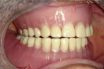
Balanced occlusion
Existing or developed simultaneous harmonious occlusal contact of the teeth throughout the dental arch during mandibular centric and eccentric movements; especially important for removable complete dentures to achieve stability during function. The ideal and equal contact of the teeth of the working side of the jaw by the complementary contact of the teeth on the…
-
Balanced articulation
Bilateral anterior and posterior occlusal contacts that occur simultaneously when the teeth are in centric and eccentric positions. This is determined not only by positions of the teeth but also by the influence of the temporomandibular joint.
Got any book recommendations?