 A legume native to Asian temperate regions and valued for its protein content.
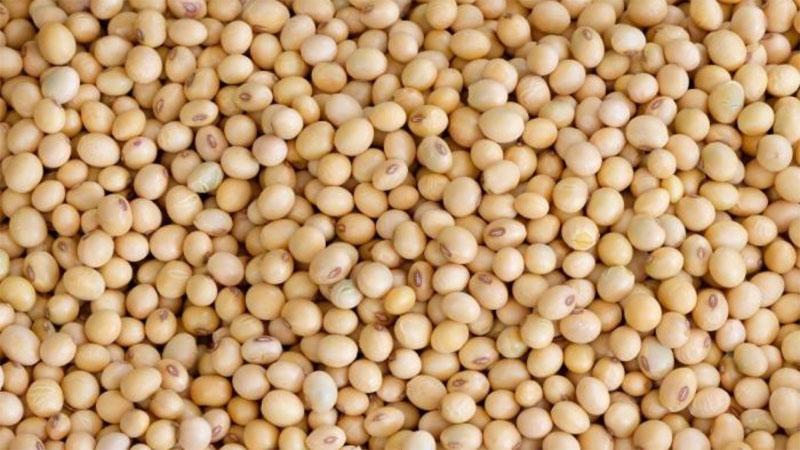
A legume ( Glycine max) used as a source of several nitrogen-rich foods, including beverages, curd (tofu), flour, textured meat substitutes, and oils. Forty percent of raw soybean is protein. The bean can be processed to remove its oils and carbohydrates to isolate soy protein, a foodstuff containing all of the essential amino acids. In the U.S., most of the soybean crop has been genetically modified to make the plant resistant to commercial weed killers.
This article pertains to a legume native to Asia, presently grown extensively in North America for its oil, meal, and other byproducts. The bean is referred to as “soybean” or “soya” interchangeably.
The soybean, hailed as the most nutritionally potent member of the legume family, thrives primarily in the Far East, the United States, and Germany. A rich tapestry of over 100 known varieties exists, boasting an array of early and late cultivars. These remarkable legumes display a captivating spectrum of green, yellow, or brown hues. Setting itself apart from its bean counterparts, soybeans possess a remarkably low starch content. Moreover, their protein content surpasses that of other vegetable sources in terms of both quality and composition. With a fat content of approximately 20 percent, soybeans also offer a valuable dose of calcium, iron, thiamin, as well as traces of riboflavin and nicotinic acid. In regions grappling with food scarcity, soybeans hold a position of immense significance, emerging as a vital resource.