

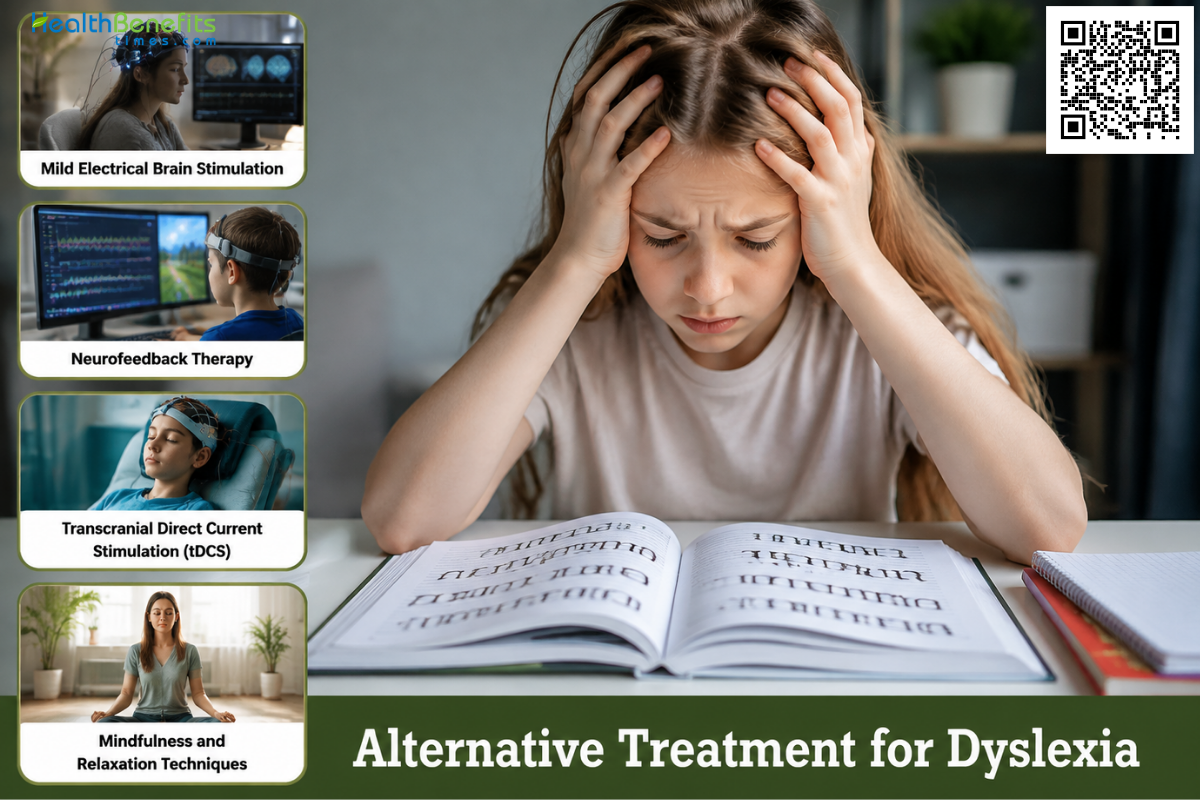
Causes of Dyslexia
1. Genetic Inheritance
Dyslexia is a highly heritable condition that frequently runs in families. Clinical research confirms that variations in specific genes affect how brain cells organize and connect during early fetal development, making a child significantly more likely to inherit the learning disorder 4.
2. Differences in Brain Structure and Function
Structural variations in the brain are a fundamental cause of the condition. Medical imaging demonstrates that individuals with dyslexia have altered physical tissue volumes and atypical nerve connections in the left side of the brain, specifically within the neural networks responsible for processing language and decoding written words 4.
3. Premature Birth and Neonatal Complications
Being born prematurely, particularly when accompanied by very low birth weight or early complications like brain bleeding, disrupts critical brain maturation. These early physical stressors interfere with the healthy formation of nerve pathways needed for future reading and language skills, substantially increasing the risk of developing dyslexia 5.
4. Exposure to Environmental Toxins
The condition can also emerge from how underlying genetic vulnerabilities interact with harmful environmental factors. Scientific studies indicate that prenatal or early childhood exposure to certain environmental pollutants and toxic heavy metals, such as lead or excessive manganese, can negatively alter central nervous system development and trigger genes associated with dyslexia 6.
Symptoms of Dyslexia
1. Delayed Early Language Skills
Young children may begin speaking later than their peers, struggle to pronounce long words correctly, or have noticeable difficulty remembering the appropriate names for familiar objects 1.
2. Difficulty Recognizing Sounds
Individuals frequently struggle to break down spoken language into individual sounds, making it highly difficult to recognize rhyming words, learn the alphabet, or sound out unfamiliar written letters and words 2.
3. Slow and Laborious Reading
A primary hallmark of the condition is reading that lacks fluency; recognizing text is inaccurate, heavily delayed, and requires intense mental effort, which often causes the individual to avoid reading tasks entirely 2.
4. Severe Spelling Challenges
Affected individuals typically experience profound difficulties with writing and spelling, frequently mixing up the sequence of letters, omitting sounds, or spelling the exact same word differently multiple times within a single assignment 2.
5. Slow Naming Speed
People with this learning disability often demonstrate a delayed ability to quickly recall and name a sequence of familiar letters, numbers, colors, or objects when shown them, reflecting a specific lag in visual and verbal processing speeds 2.
6. Reading Comprehension Issues
Because the physical act of sounding out words demands such extreme focus and energy, individuals often struggle to understand or remember the overall meaning of the sentences they have just read, despite having normal or above-average intelligence 1.
Alternative Treatment for Dyslexia
1. Musical Training and Rhythmic Exercises
How it may help
Musical training involves activities that focus on rhythm, pitch, and timing. For individuals with dyslexia, these exercises strengthen the brain circuits responsible for processing auditory information 7. By improving the ability to distinguish subtle differences in speech sounds, rhythmic training directly enhances the specific skills necessary for accurate reading and spelling 8.
What research says
Clinical studies conclude that consistent musical and rhythmic training significantly improves reading accuracy and sound recognition in children with dyslexia 9. Researchers found that participants who completed structured rhythm exercises demonstrated marked improvements in reading speed and spelling performance compared to those receiving only standard reading interventions 10.
How to use it safely
You can incorporate music-based therapies by enrolling in structured music lessons or rhythmic movement classes taught by trained educators. To achieve meaningful improvements in reading skills, practice rhythmic exercises, such as drumming or clapping to a beat, for at least 30 minutes several times a week 8.
Potential precautions or side effects
Musical training is highly safe with no physical side effects. However, you should use it as a supplement to standard reading instruction rather than a complete replacement 1.
2. Action Video Games
How it may help
Action video games require players to quickly shift their visual focus and track multiple moving objects. For individuals with dyslexia, playing these fast-paced games strengthens the brain’s visual attention networks 11. Improving this visual processing speed directly helps readers focus on letter sequences accurately without confusing them 11.
What research says
Clinical studies conclude that playing action video games significantly improves reading speed and attention skills in children with dyslexia 12. Researchers found that completing 12 hours of action gameplay enhanced reading fluency more effectively than highly demanding traditional reading treatments, without causing any decrease in reading accuracy 12.
How to use it safely
You should select age-appropriate games that require quick visual tracking. To prevent eye strain, strictly limit gaming sessions to 80 minutes per day, as utilized in clinical settings 12. Always use this interactive method to supplement formal reading instruction rather than completely replacing it 1.
Potential precautions or side effects
Excessive video gaming can cause digital eye strain, chronic headaches, and severe sleep disruptions 13. You must monitor overall screen time closely to prevent unhealthy daily habits 13.
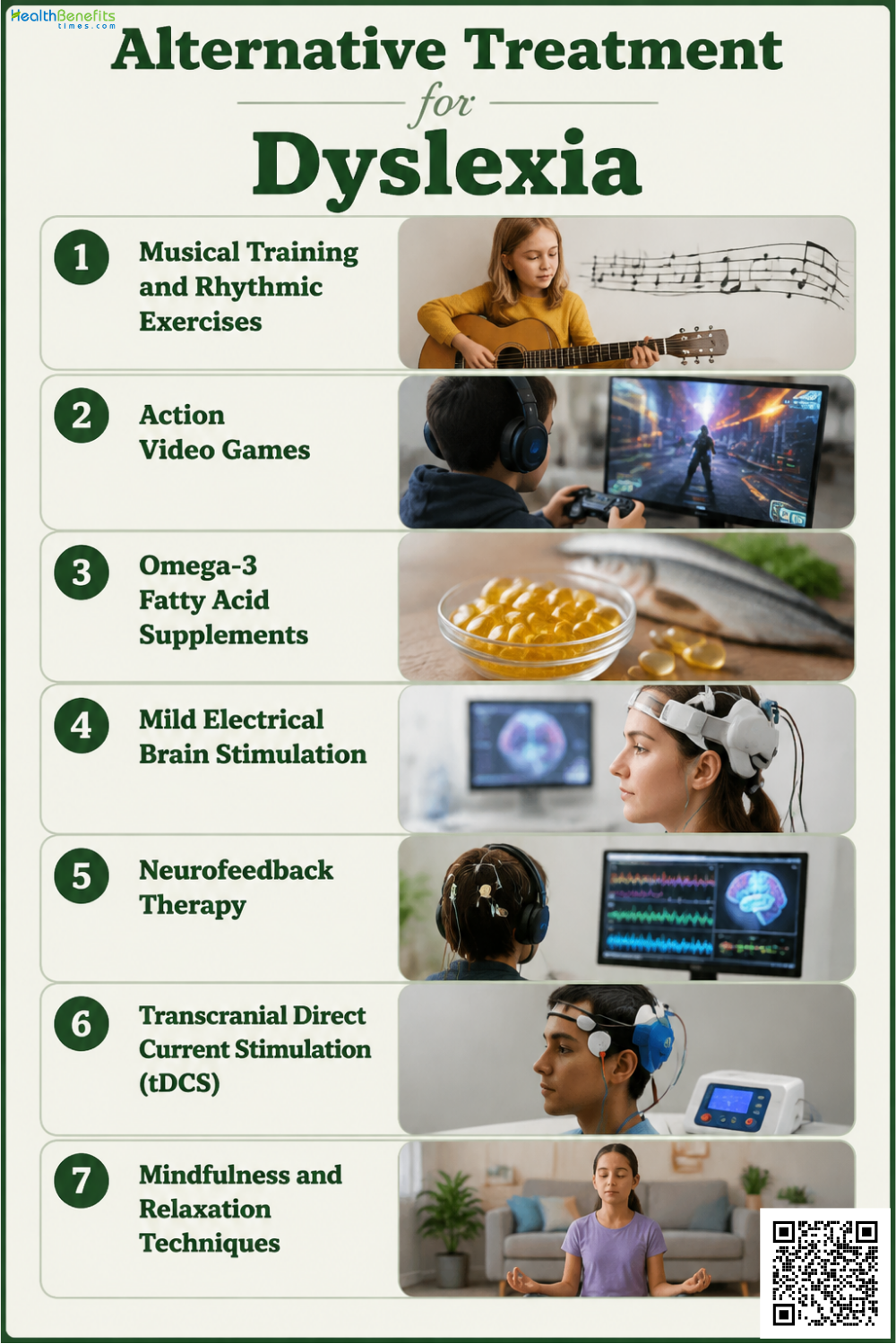
3. Omega-3 Fatty Acid Supplements
How it may help
Omega-3 fatty acids are essential nutrients required for healthy brain development and proper nerve signaling 14. For individuals with dyslexia, these healthy fats support brain cell structure, improving neural communication within the specific networks responsible for visual processing and language comprehension 15.
What research says
Clinical trials indicate that daily omega-3 supplementation significantly improves reading ability and cognitive performance in children with dyslexia 15. Researchers conclude that treated individuals often experience measurable improvements in reading speed, spelling accuracy, and overall attention compared to those receiving a placebo 15.
How to use it safely
You can provide omega-3s through dietary sources like fatty fish or by using high-quality fish oil supplements 14. Clinical protocols for children with learning difficulties typically recommend a daily dosage of 500 to 1,000 milligrams of combined EPA and DHA, always taken with meals 15.
Potential precautions or side effects
Omega-3 supplements are highly safe but may cause mild indigestion or a fishy aftertaste 16. You must consult your pediatrician before use, especially if taking blood-thinning medications 16.
4. Mild Electrical Brain Stimulation
How it may help
Mild electrical brain stimulation, known as transcranial direct current stimulation, uses painless, low-level currents to activate specific brain areas 17. For individuals with dyslexia, this targeted therapy enhances nerve activity in the left side of the brain, strengthening the neural pathways responsible for recognizing written text 17.
What research says
Clinical trials conclude that applying mild electrical stimulation significantly improves reading speed and text accuracy in individuals with dyslexia 17. Researchers report that patients receiving this stimulation alongside standard reading interventions experienced faster, longer-lasting improvements in word recognition than those who received only traditional educational training 17.
How to use it safely
You must receive this treatment exclusively from trained medical professionals in a clinical setting, as it requires precise device calibration. A standard clinical protocol involves wearing a specialized electrode cap for 20 minutes while simultaneously participating in guided reading exercises 17.
Potential precautions or side effects
The procedure is highly safe but may cause mild scalp tingling or headaches. You must avoid this therapy entirely if you have a history of seizures or metallic brain implants 18.
5. Neurofeedback Therapy
How it may help
Neurofeedback therapy teaches individuals to consciously regulate their brain wave activity. For those with dyslexia, this treatment targets language-processing areas in the left hemisphere. By training the brain to increase active beta waves and decrease slow theta waves, it strengthens the specific neural networks necessary for decoding written words 19.
What research says
Clinical trials conclude that neurofeedback training significantly improves phonological awareness and spelling abilities in individuals with reading disabilities. Researchers found that patients who completed consistent sessions demonstrated normalized brain wave patterns and substantial gains in spelling performance compared to those receiving only standard remedial teaching 20.
How to use it safely
You must receive neurofeedback therapy from a certified clinician. During a session, a professional places painless sensors on your scalp to monitor brain activity while you interact with a specialized computer program. Achieving lasting cognitive improvements generally requires completing 20 to 40 treatment sessions 21.
Potential precautions or side effects
This therapy is highly safe and non-invasive. However, you might experience temporary mental fatigue, mild headaches, or slight anxiety immediately following a session due to the required concentration 19.
6. Transcranial Direct Current Stimulation (tDCS)
How it may help
Transcranial direct current stimulation (tDCS) uses a painless, low-level electrical current to stimulate specific brain areas. For individuals with dyslexia, this targeted therapy strengthens underactive neural pathways in the brain’s left hemisphere, directly improving the biological ability to process language and decode written words 22.
What research says
Clinical trials conclude that applying tDCS to the brain’s reading network significantly improves text reading speed and word accuracy in individuals with dyslexia 17. Researchers report that combining this targeted electrical stimulation with standard reading interventions produces faster and more durable improvements in reading fluency than educational training alone 22.
How to use it safely
You must receive tDCS treatments exclusively from licensed medical professionals in a clinical setting to ensure precise device calibration 18. Standard clinical protocols typically involve wearing specialized electrode pads on your scalp for 15 to 20 minutes while simultaneously completing guided reading exercises 17.
Potential precautions or side effects
This procedure is highly safe, though you may experience mild scalp tingling, temporary redness, or slight headaches 18. You must completely avoid tDCS if you have a seizure disorder 18.
7. Mindfulness and Relaxation Techniques
How it may help
Mindfulness and relaxation techniques involve focused breathing and mental awareness to reduce physical and psychological stress 23. For individuals with dyslexia, these practices calm the nervous system, reduce reading-related anxiety, and directly improve sustained attention and mental focus, which are essential skills for processing written language accurately 24.
What research says
Clinical research concludes that completing a mindfulness-based stress reduction program significantly decreases overall reading errors in individuals with developmental dyslexia 24. Researchers report that these techniques improve sustained attention and decrease impulsive habits, helping individuals maintain better focus and rely on accurate reading pathways rather than quickly guessing words 24.
How to use it safely
You can practice mindfulness meditation independently or join a program taught by certified instructors. To improve attention and reading skills, try dedicating 20 minutes daily to focused breathing exercises or guided relaxation, practicing in a quiet environment before beginning your regular academic reading tasks 24.
Potential precautions or side effects
Mindfulness techniques are highly safe and non-invasive. Occasionally, you may experience mild frustration or temporary restlessness when you first attempt to maintain strict mental focus during meditation sessions 23.
Foods to Avoid When You Suffer from Dyslexia
1. High-Sugar Foods and Beverages
Limit intake of sweets, baked goods, and sugary sodas. Clinical studies associate diets high in simple sugars with an elevated risk of learning difficulties and impaired cognitive focus 25.
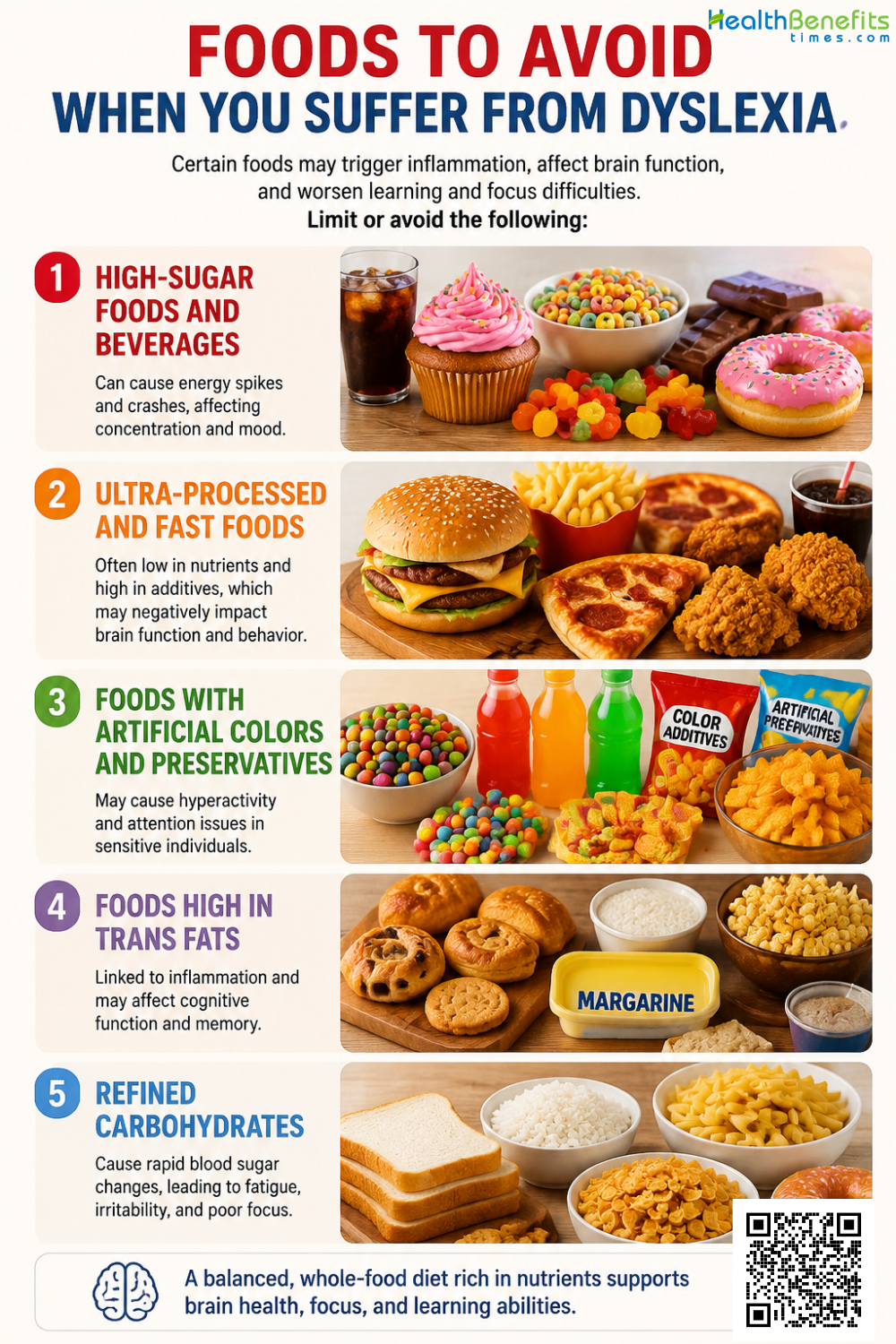
2. Ultra-Processed and Fast Foods
Avoid heavily processed meals and standard fast food. Research indicates that diets dominated by processed ingredients negatively impact overall brain health and increase the severity of learning challenges 25.
3. Foods with Artificial Colors and Preservatives
Eliminate snacks containing synthetic food dyes. These chemical additives are clinically linked to increased hyperactivity and attention deficits, which severely disrupt the sustained focus required for reading 26.
4. Foods High in Trans Fats
Steer clear of commercial fried foods and margarines containing partially hydrogenated oils. Unhealthy trans fats promote cellular inflammation and impair the neural communication essential for learning and memory 25.
5. Refined Carbohydrates
Limit white bread, standard pasta, and sugary cereals. Refined carbohydrates cause rapid blood sugar fluctuations, resulting in mental fatigue and brain fog that worsen existing reading and decoding struggles 25.
When to see Doctor when you struggle from Dyslexia
1. Delayed Early Language Skills
You should consult a pediatrician if a young child exhibits significantly delayed speech, struggles to learn new words, or has trouble recognizing basic rhyming sounds 1.
2. Reading Below Expected Age Level
Schedule a formal evaluation if a student persistently reads below their expected grade level, avoids reading aloud, or shows extreme frustration during basic academic tasks 1.
3. Severe Emotional or Behavioral Changes
Seek medical advice if chronic reading struggles trigger intense anxiety, persistent depression, or severe behavioral issues, which frequently develop alongside undiagnosed learning disabilities 2.
4. Co-occurring Attention Difficulties
Request a clinical assessment if reading challenges are accompanied by severe inattention or impulsivity, as dyslexia frequently co-occurs with attention-deficit/hyperactivity disorder (ADHD) 2.
5. Occupational Impairments in Adults
Adults should consult a specialist if lifelong reading, spelling, or memory difficulties severely limit workplace performance, restrict career advancement, or cause significant daily psychological distress 1.
Comments
comments