

Causes of Hemophilia
1. Inherited Genetic Mutations on the X Chromosome
The primary cause of the disorder is an inherited defect in the genes that instruct the body to create clotting proteins, which are located on the X chromosome and are typically passed from female carriers to male children 3.
2. Factor VIII (8) Protein Deficiency
A specific gene mutation fails to produce adequate amounts of clotting factor VIII, leading directly to Hemophilia A, which is the most widespread type of the disorder 4.
3. Factor IX (9) Protein Deficiency
A distinct genetic flaw results in the missing or significantly reduced production of clotting factor IX, which causes Hemophilia B 4.
4. Spontaneous Genetic Changes
Approximately one-third of all patients develop the disorder from a sudden, spontaneous gene mutation during early embryonic development, meaning the disease occurs without any previous family history 2.
5. Immune System Dysfunction (Acquired Hemophilia)
In rare cases, the body’s immune system erroneously creates antibodies that attack and destroy its own natural clotting factors, a condition typically triggered by pregnancy, underlying autoimmune diseases, or cancer 5.
Symptoms of Hemophilia
1. Prolonged Bleeding from Minor Injuries
Patients experience excessive, difficult-to-stop bleeding following minor cuts, routine dental extractions, or surgical procedures because the blood lacks the necessary proteins to form a stable clot 6.
2. Unexplained, Deep Bruising
Large, deep bruises frequently appear on the body without a clear physical cause or after very minor bumps, resulting from spontaneous bleeding directly underneath the skin 2.
3. Pain and Swelling in Joints
Spontaneous internal bleeding into the joints, particularly the knees, elbows, and ankles, causes sudden severe pain, noticeable swelling, and a tight sensation that severely limits physical movement 2.
4. Blood in Urine or Stool
Internal bleeding occurring within the kidneys, bladder, or gastrointestinal tract often presents visibly as red or dark-colored blood in a patient’s urine or stool 6.
5. Frequent, Unstoppable Nosebleeds
Individuals with the disorder frequently suffer from sudden, heavy nosebleeds that occur without any obvious physical trigger and take an unusually long time to stop 2.
6. Neurological Warning Signs from Brain Bleeds
A simple bump to the head can trigger life-threatening internal bleeding in the brain, which presents as prolonged headaches, repeated vomiting, extreme lethargy, or sudden physical clumsiness 2.
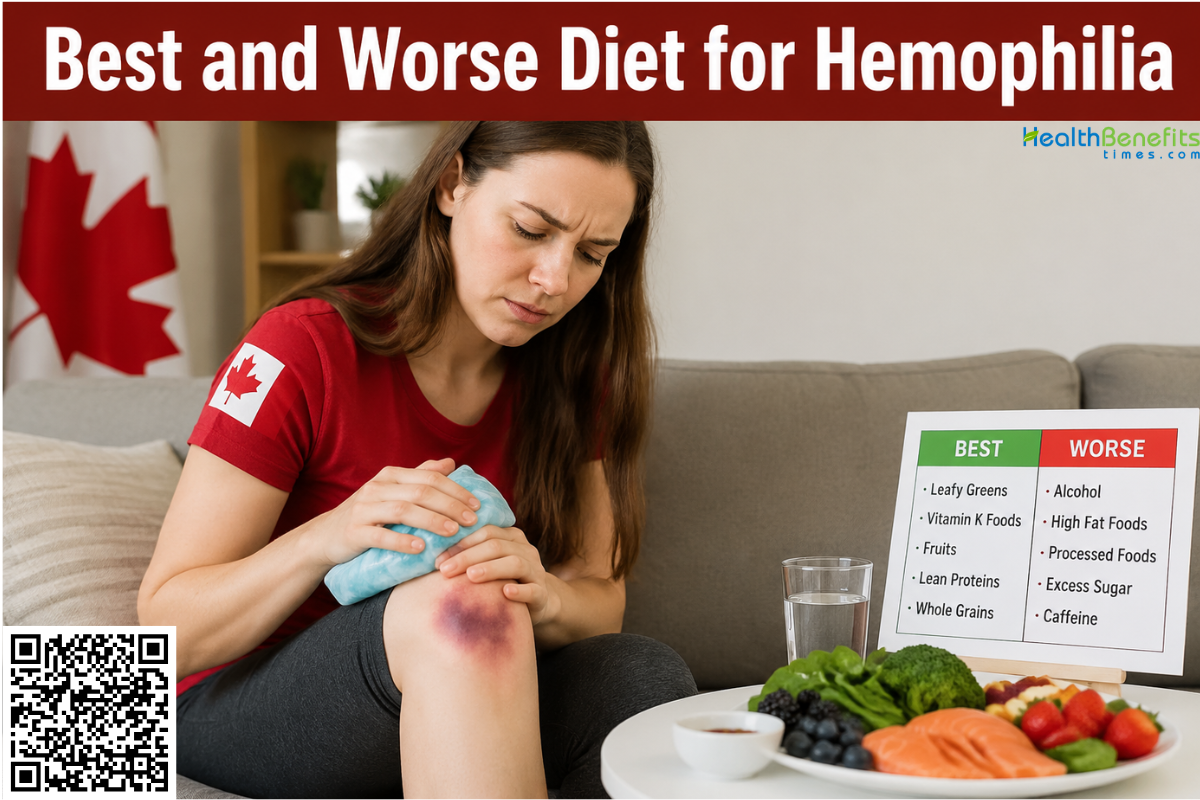
Best Diet for Hemophilia
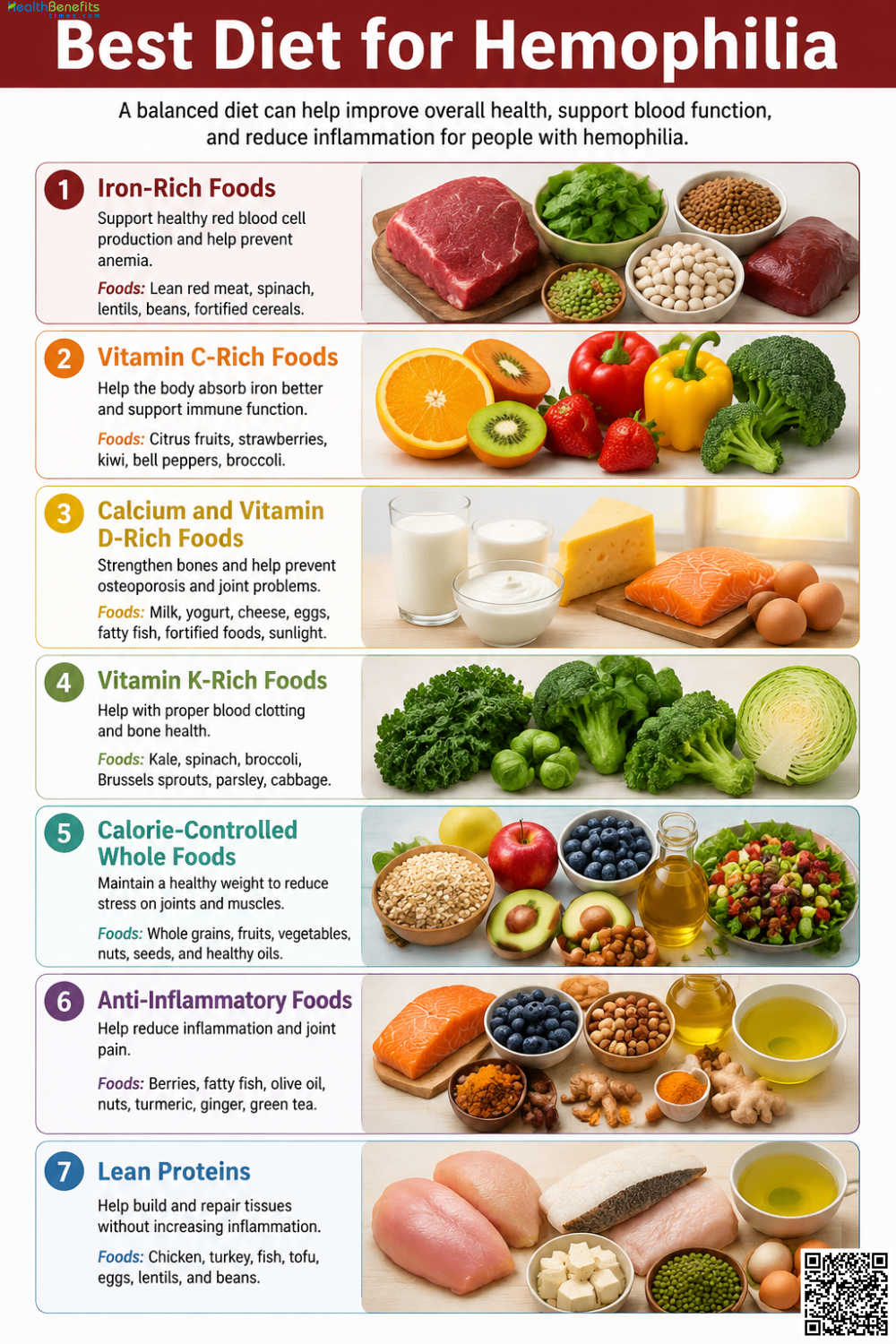
1. Iron-Rich Foods
How it may help
Individuals with bleeding disorders frequently experience blood loss, which rapidly depletes the body’s iron stores. Consuming iron-rich foods helps the bone marrow produce new red blood cells to replace lost blood, which directly prevents iron-deficiency anemia and maintains healthy oxygen circulation 7.
What research says
Clinical studies confirm that repeated bleeding episodes significantly increase the risk of developing severe iron-deficiency anemia 8. Medical guidelines conclude that restoring iron levels through nutrition effectively reverses anemia-related fatigue and supports overall cardiovascular stability following major blood loss 9.
How to use it safely
Incorporate iron-dense whole foods like lean beef, poultry, lentils, and dark leafy greens into your daily meals. To maximize absorption, pair these foods with vitamin C sources, such as oranges or bell peppers, during the same meal 10.
Potential precautions or side effects
Dietary iron rarely causes issues, but avoid high-dose iron supplements without a doctor’s approval. Excessive iron buildup can cause severe constipation, nausea, and dangerous organ toxicity 7.
2. Vitamin C-Rich Foods
How it may help
Patients with bleeding disorders frequently suffer from iron loss. Vitamin C directly improves the digestive tract’s ability to absorb iron from plant-based foods, helping to replenish lost red blood cells. Additionally, this vitamin is essential for building collagen, a protein that strengthens blood vessel walls and protects delicate joint tissues.
What research says
Clinical research confirms that consuming ascorbic acid, or vitamin C, alongside iron significantly increases iron absorption rates and helps prevent severe anemia 10. Furthermore, studies conclude that adequate vitamin C is biologically required to maintain strong blood vessels, preventing them from easily rupturing and leaking 11.
How to use it safely
To safely boost iron absorption, eat natural vitamin C sources like oranges, strawberries, broccoli, and bell peppers during the same meal as iron-rich foods 12. Rely on fresh, whole foods rather than high-dose synthetic supplements to maintain a healthy nutritional balance.
Potential precautions or side effects
Consuming too much vitamin C through artificial supplements can cause stomach cramps, nausea, and severe diarrhea. Extremely high daily doses also increase the risk of developing kidney stones 12.
3. Calcium and Vitamin D-Rich Foods
How it may help
Patients with bleeding disorders frequently experience internal joint bleeding, which progressively weakens surrounding bones. Calcium directly builds bone density, while vitamin D ensures the digestive system can actually absorb that calcium. Together, they protect vulnerable joints and bones from severe structural decay.
What research says
Clinical studies establish that patients with severe bleeding disorders have a significantly higher risk of developing low bone mineral density and early-onset osteoporosis 13. Researchers conclude that adequate calcium and vitamin D intake effectively preserves bone mass and slows the skeletal destruction caused by recurrent internal bleeding 14.
How to use it safely
To strengthen your bones safely, consume natural dairy products, leafy greens, and fortified milks daily 15. Spend brief periods in sunlight to naturally boost vitamin D. Only take artificial supplements if a healthcare provider confirms a deficiency through blood tests.
Potential precautions or side effects
Excessive calcium from artificial supplements causes severe kidney stones. Taking too much vitamin D creates toxic calcium buildup in the blood, which dangerously damages heart and kidney tissues 16.
4. Vitamin K-Rich Foods
How it may help
Although it cannot replace the specific missing proteins in hemophilia, vitamin K is essential for the liver to produce other crucial blood-clotting factors. Maintaining optimal levels of this nutrient ensures the rest of the body’s natural coagulation system functions effectively to help manage overall bleeding risks.
What research says
Clinical evidence confirms that vitamin K is strictly required to synthesize various blood coagulation proteins, preventing additional bleeding complications 17. Medical guidelines conclude that while it does not correct the primary genetic defect, a deficiency in this vitamin significantly worsens existing bleeding severity 18.
How to use it safely
To safely support your body’s blood-clotting process, eat a consistent amount of natural vitamin K sources daily, such as spinach, kale, and broccoli 19. Avoid sudden, drastic changes to your diet, and always consult a doctor before taking artificial vitamin K supplements.
Potential precautions or side effects
Dietary vitamin K is highly safe, but sudden large intakes from artificial supplements can interfere with specific prescribed medications and disrupt natural liver processes 18.
5. Calorie-Controlled Whole Foods
How it may help
Carrying excess body weight places severe physical strain on major joints, which directly increases the risk of spontaneous internal bleeding. Consuming a calorie-controlled diet of whole foods helps maintain a healthy weight, protecting vulnerable joints like the knees and ankles from chronic damage and frequent bleeding episodes.
What research says
Clinical research establishes that excess body weight in patients with bleeding disorders significantly accelerates severe joint destruction and increases bleeding frequency 20. Medical experts conclude that maintaining a healthy body mass through calorie control directly reduces mechanical stress on joints, lowering the risk of spontaneous internal bleeds 21.
How to use it safely
To safely manage your weight, focus your diet on natural, unprocessed whole foods like vegetables, fruits, and lean proteins 22. Monitor your daily portion sizes carefully, and always consult a registered dietitian before starting any strict weight-loss program to avoid nutritional deficiencies.
Potential precautions or side effects
Extreme calorie restriction causes dangerous malnutrition and severe muscle loss. Weakened muscles provide less physical support to vulnerable joints, which actually increases the risk of serious injuries and internal bleeding.
6. Anti-Inflammatory Foods
How it may help
Repeated internal bleeding causes severe, chronic swelling within the joints. Anti-inflammatory foods naturally reduce this destructive swelling and soothe irritated tissues. By calming the immune response, these foods help protect vulnerable cartilage from permanent damage and decrease overall joint stiffness and daily pain.
What research says
Clinical studies demonstrate that diets rich in natural antioxidants significantly reduce chronic joint inflammation and tissue deterioration 23. Researchers conclude that consistently consuming anti-inflammatory nutrients effectively lowers the biological markers that trigger swelling, which directly preserves joint mobility following recurrent internal bleeding 24.
How to use it safely
To safely manage joint swelling, incorporate natural whole foods like berries, leafy greens, walnuts, and olive oil into your daily meals 25. Focus strictly on dietary sources rather than concentrated extracts, as high-dose dietary supplements can unexpectedly interfere with medical treatments.
Potential precautions or side effects
Concentrated anti-inflammatory spices like ginger possess natural blood-thinning properties 26. Consume these strictly in normal culinary amounts to avoid unexpectedly worsening your risk of severe bleeding episodes.
7. Lean Proteins
How it may help
Consuming lean proteins provides the essential building blocks necessary to develop strong muscles. For individuals with bleeding disorders, maintaining robust muscle tissue around vulnerable joints acts as a protective shock absorber, which directly reduces the frequency of spontaneous internal joint bleeds 21.
What research says
Clinical studies confirm that maintaining optimal muscle mass significantly stabilizes joints and decreases the rate of physical joint deterioration in patients with severe bleeding disorders 27. Researchers conclude that lean dietary proteins effectively stimulate muscle growth without adding the harmful saturated fats that trigger systemic inflammation and excessive joint stress 28.
How to use it safely
Include high-quality, low-fat protein sources in your daily meals, such as skinless poultry, fish, tofu, lentils, and beans 29. Bake, grill, or steam these foods instead of frying them in heavy oils to protect your cardiovascular health and prevent unnecessary weight gain.
Potential precautions or side effects
Consuming excessive amounts of protein can severely overwork the kidneys, especially in individuals with preexisting kidney conditions. Always balance your protein intake with adequate vegetables and whole grains 30.
Worst Diet for Hemophilia
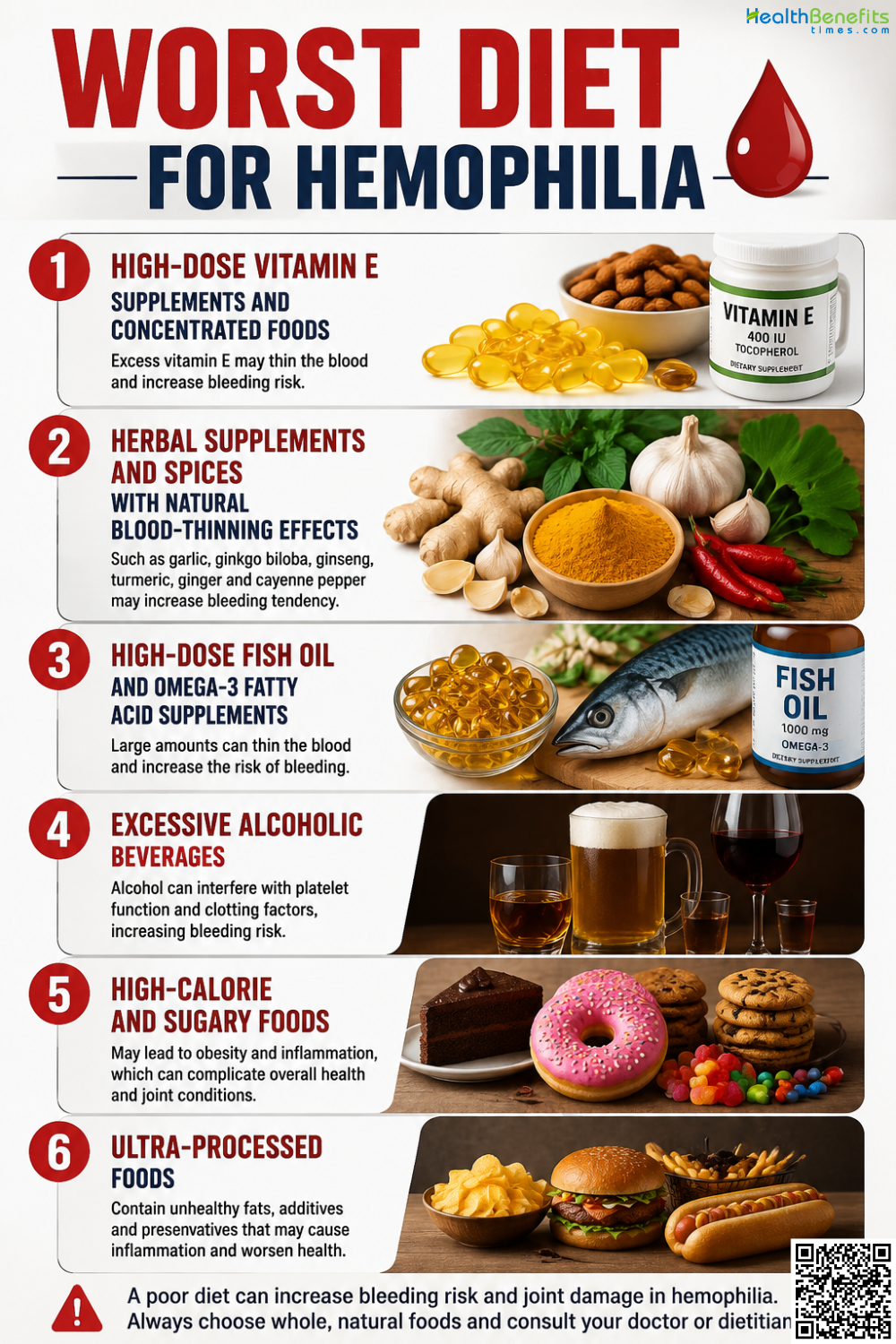
1. High-Dose Vitamin E Supplements and Concentrated Foods
What research says
Clinical research confirms that high doses of vitamin E actively block the body from using vitamin K, which is necessary to build essential blood-clotting proteins 31. Studies conclude that this disruption prevents blood cells from naturally clumping together, directly increasing the risk of severe, life-threatening bleeding events 32.
Potential precautions or side effects
Excessive vitamin E severely worsens existing bleeding disorders. Never take concentrated supplements without strict medical supervision, as they dangerously thin the blood and disrupt natural clotting 33.
2. Herbal Supplements and Spices with Natural Blood-Thinning Effects
What research says
Clinical research concludes that highly concentrated herbal supplements, such as ginkgo biloba, garlic, and ginseng, actively prevent blood cells from sticking together 34. Studies confirm these natural plant compounds strongly mimic prescription blood thinners, which directly increases the frequency and severity of dangerous spontaneous internal bleeding 35.
Potential precautions or side effects
Strictly avoid concentrated herbal extracts, as they severely disrupt natural blood clotting 34. Normal culinary amounts of spices are generally safe, but always consult your doctor first.
3. High-Dose Fish Oil and Omega-3 Fatty Acid Supplements
What research says
Clinical research indicates that high-dose omega-3 fatty acids from fish oil supplements can prevent blood cells from properly sticking together 36. Studies conclude that while this mild anti-clotting effect benefits cardiovascular health, it further impairs the fragile blood-clotting mechanism and may worsen bleeding in patients with existing bleeding disorders 37.
Potential precautions or side effects
Strictly avoid high-dose fish oil supplements without a doctor’s explicit approval, as they naturally thin the blood. Standard dietary amounts obtained from eating whole fish remain generally safe.
4. Excessive Alcoholic Beverages
What research says
Clinical research demonstrates that excessive alcohol consumption severely damages the liver, the primary organ responsible for producing essential blood-clotting proteins 38. Studies conclude that impaired liver function significantly reduces the body’s ability to form stable blood clots, directly worsening the severity of existing bleeding disorders 39.
Potential precautions or side effects
Heavy drinking severely increases the risk of stomach ulcers and internal gastrointestinal bleeding 40. Individuals must strictly limit alcohol to protect liver function and prevent life-threatening bleeding episodes.
5. High-Calorie and Sugary Foods
What research says
Clinical research demonstrates that consuming excess calories and sugar leads to rapid weight gain, which places severe mechanical stress on weight-bearing joints 20. Experts conclude that this chronic physical strain significantly increases the frequency of spontaneous internal joint bleeding and accelerates irreversible joint destruction in patients 41.
Potential precautions or side effects
Strictly limit sugary snacks and fast food to prevent obesity-related joint damage. Rapid weight gain actively worsens chronic joint pain and severely limits physical mobility 21.
6. Ultra-Processed Foods
What research says
Clinical research demonstrates that ultra-processed foods containing artificial additives and trans fats trigger chronic, systemic inflammation 42. Studies conclude that this constant inflammatory state severely worsens existing joint damage and increases persistent swelling, which significantly delays natural tissue recovery following internal bleeding episodes 43.
Potential precautions or side effects
Strictly avoid fast food and heavily pre-packaged meals. These items lack essential nutrients for tissue repair and actively fuel the chronic inflammation that irreversibly destroys vulnerable joints 42.
When to see Doctor when you struggle from Hemophilia
1. Head Injuries and Neurological Symptoms
Seek emergency care if you experience a head bump followed by prolonged headaches, repeated vomiting, or confusion, as this indicates life-threatening brain bleeding 2.
2. Uncontrollable Physical Bleeding
Immediately visit an emergency room if you sustain an injury where heavy bleeding simply will not stop after applying continuous physical pressure 6.
3. Sudden Joint Swelling and Pain
Consult your doctor if you develop sudden, severe joint pain and rapid swelling, which signals dangerous internal bleeding that can permanently destroy cartilage 2.
4. Blood in Urine or Stool
Contact a healthcare provider immediately if you discover blood in your urine or dark, tarry stools, indicating severe internal gastrointestinal or kidney bleeding 6.
5. Neck or Throat Swelling
Seek urgent medical attention if you notice unexpected swelling in your neck or throat, which can rapidly compress the airway and cause fatal breathing difficulties 44.
Comments
comments