

Causes of Phenylketonuria
- PAH Gene Mutation: Phenylketonuria is caused by a genetic mutation in the PAH gene, which is responsible for instructing the body to produce the enzyme phenylalanine hydroxylase 4.
- Enzyme Deficiency: Due to this genetic alteration, the body cannot produce adequate amounts of the functional enzyme required to break down the amino acid phenylalanine, leading to its toxic accumulation in the blood 1.
- Autosomal Recessive Inheritance: The condition is inherited in an autosomal recessive pattern, meaning a child must inherit two defective copies of the PAH gene—one from each parent—to develop the disorder 5.
Symptoms of Phenylketonuria
- Musty Odor: A distinct musty or mouse-like smell in the breath, skin, or urine occurs as excess phenylalanine leaves the body 6.
- Severe Intellectual Disability: Infants who do not receive treatment develop permanent, progressive intellectual delays and severe learning disabilities within their first few months of life due to brain damage 4.
- Neurological Complications: The toxic buildup in the central nervous system frequently causes spontaneous seizures, involuntary muscle tremors, and abnormal limb movements 2.
- Light Pigmentation: Individuals often have unusually fair skin, blonde hair, and blue eyes because their bodies cannot convert phenylalanine into melanin, which is the pigment responsible for coloring 4.
- Skin Rashes: Severe, widespread skin inflammation, most commonly appearing as eczema, frequently develops in untreated children 6.
- Microcephaly: The condition can cause a baby’s head to remain abnormally small, which physically restricts normal brain growth and ongoing physical development 6.
- Behavioral Disorders: The chemical imbalance in the brain often leads to hyperactivity, extreme restlessness, aggressive outbursts, and psychiatric disorders such as anxiety 4.
Best Foods for Phenylketonuria
1. Phenylalanine-Free Medical Formulas
How it may help
Because individuals with PKU must strictly avoid natural proteins, phenylalanine-free medical formulas supply the essential amino acids required for normal bodily function 7. These specialized synthetic mixtures allow patients to receive crucial nutrients for growth and tissue repair without causing toxic chemical accumulation in the brain 1.
What research says
Clinical guidelines establish that lifelong adherence to phenylalanine-free medical formulas is the primary, mandatory treatment for preventing permanent neurological damage in PKU patients 1. Research confirms that consistent use of these therapeutic protein substitutes successfully maintains normal intelligence, healthy neurological function, and physical development across the patient’s lifespan 8.
How to use it safely
You must drink the exact daily amount of formula prescribed by your metabolic specialist, ideally dividing the portions evenly throughout the day to keep your blood levels stable 9. Never substitute your prescribed medical formula with commercial protein shakes or standard dietary supplements 10.
Potential precautions or side effects
Missing doses rapidly spikes toxic blood levels, which can immediately trigger severe mood swings, poor concentration, and irreversible neurological decline over time 2.
2. Specially Manufactured Low-Protein Breads and Pastas
How it may help
Standard wheat flour contains dangerous amounts of phenylalanine for individuals with PKU. Specially manufactured low-protein breads and pastas use alternative starches to provide essential daily calories and physical energy without contributing to toxic amino acid buildup 7. This allows for a more varied and satisfying diet 9.
What research says
Clinical evaluations conclude that integrating specially modified low-protein staple foods into a daily regimen significantly improves long-term dietary adherence 1. Medical research demonstrates these foods successfully prevent malnutrition and provide necessary carbohydrates for healthy growth while keeping blood phenylalanine levels within safe target ranges 11.
How to use it safely
Always weigh your portions using a digital food scale to ensure you stay within your daily phenylalanine allowance 9. Consume these specialized items alongside your prescribed medical formula to guarantee you receive adequate, balanced nutrition throughout the day 7.
Potential precautions or side effects
Never confuse specialized low-protein foods with standard gluten-free products, as many commercial gluten-free items contain dangerous amounts of protein from nuts, beans, or soy 10.
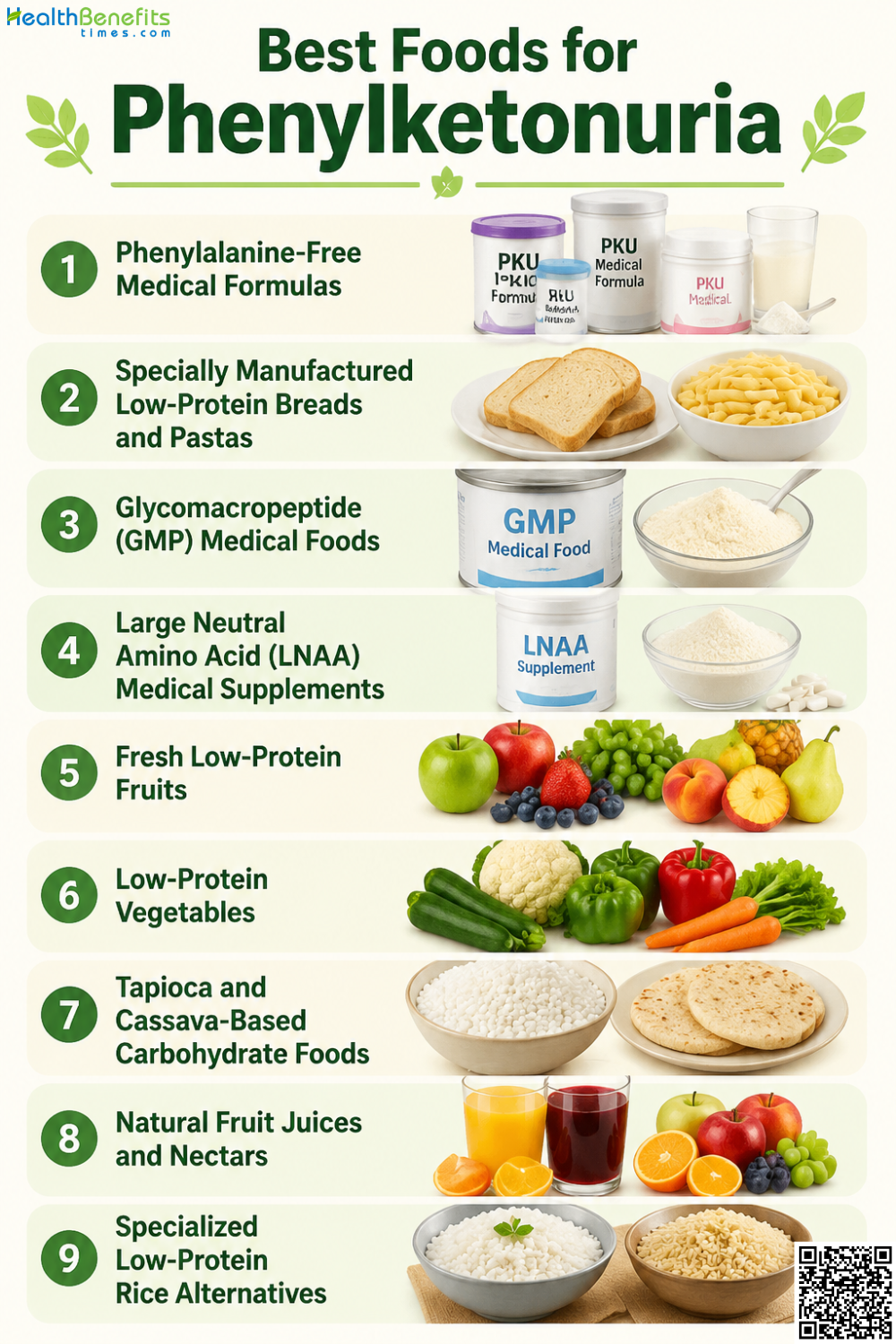
3. Glycomacropeptide (GMP) Medical Foods
How it may help
Glycomacropeptide (GMP) is a naturally occurring protein found in cheese whey that lacks the amino acid phenylalanine in its pure form. Medical foods made from GMP provide a highly palatable, complete protein source that helps patients build muscle and stay full without risking toxic brain damage 12.
What research says
Clinical trials demonstrate that GMP-based medical foods effectively maintain safe blood phenylalanine levels while significantly improving bone density and immune function 12. Research confirms patients consistently report better taste and fewer digestive issues with GMP products compared to traditional synthetic amino acid formulas, leading to better lifelong dietary adherence 11.
How to use it safely
Always consult your metabolic specialist before switching from traditional synthetic formulas to GMP-based options 9. You must closely monitor your blood levels during the transition, as commercial GMP products contain trace amounts of the amino acid that must be calculated into your daily allowance 12.
Potential precautions or side effects
Because manufacturing processes leave trace amounts of phenylalanine in GMP foods, consuming too much can elevate your blood levels, potentially causing cognitive issues if not carefully tracked 12.
4. Large Neutral Amino Acid (LNAA) Medical Supplements
How it may help
Large Neutral Amino Acid (LNAA) supplements block toxic phenylalanine from entering the brain. Because these specific nutrients share the same transport pathway, consuming high amounts of LNAAs creates a biological barrier that prevents dangerous amino acid buildup, effectively protecting overall cognitive function 8.
What research says
Clinical research demonstrates that LNAA therapy successfully lowers brain phenylalanine concentrations and improves neurological symptoms, including focus and mood, in adult patients 8. Medical guidelines conclude this alternative treatment effectively protects cognitive health for mature individuals who struggle to follow strict low-protein diets 1.
How to use it safely
Take LNAA supplements exactly as prescribed by your metabolic specialist, typically consumed alongside meals to maximize their blocking effect 9. Never abandon your primary medical formula or loosen your dietary restrictions without direct medical supervision 7.
Potential precautions or side effects
LNAA therapy is strictly prohibited for pregnant women because it cannot lower blood phenylalanine enough to prevent severe, irreversible birth defects in the developing baby 1.
5. Fresh Low-Protein Fruits
How it may help
Fresh fruits contain naturally low levels of protein, making them an ideal and safe dietary staple for individuals with phenylketonuria. Incorporating a variety of low-protein fruits supplies the body with essential vitamins, antioxidants, and dietary fiber required for overall health without triggering a dangerous buildup of phenylalanine 10.
What research says
Clinical nutritional guidelines designate most fresh fruits as safe dietary options that effectively support nutritional balance in metabolic disorders 1. Medical evaluations conclude that consuming a diet rich in low-protein fruits helps sustain adequate caloric intake and normal physical growth while successfully keeping blood phenylalanine levels within the required therapeutic range 7.
How to use it safely
Incorporate a wide variety of fresh fruits like apples, grapes, and berries into your daily meals 10. Always measure your portions carefully and consult your metabolic dietitian to calculate the exact phenylalanine content, especially when eating fruits with slightly higher protein levels like bananas 9.
Potential precautions or side effects
Avoid commercially processed or canned fruits that contain artificial sweeteners like aspartame, as this additive rapidly converts into highly toxic phenylalanine once digested 7.
6. Low-Protein Vegetables
How it may help
Low-protein vegetables, such as carrots, celery, and zucchini, provide crucial vitamins, minerals, and dietary fiber essential for a balanced diet. Because these vegetables naturally contain very little protein, they allow individuals with PKU to enjoy filling, nutritious meals without causing a dangerous accumulation of phenylalanine in the bloodstream 10.
What research says
Clinical dietary guidelines confirm that incorporating low-protein vegetables is fundamental for maintaining optimal health and preventing nutritional deficiencies in patients with metabolic disorders 1. Medical research concludes that prioritizing these low-risk vegetables successfully supports normal physical growth while keeping blood phenylalanine levels strictly within the required therapeutic range 7.
How to use it safely
Weigh all vegetable portions using a digital scale and log them into your daily dietary record to track your exact phenylalanine intake 9. Work closely with your metabolic dietitian to calculate allowances, as protein content varies significantly even among safe vegetables 10.
Potential precautions or side effects
You must strictly avoid high-protein vegetables, including dried beans, peas, lentils, and soybeans, because their high phenylalanine content will quickly cause toxic blood levels and neurological damage 10.
7. Tapioca and Cassava-Based Carbohydrate Foods
How it may help
Tapioca and cassava are naturally very low in protein, making them excellent carbohydrate sources for individuals with PKU. They provide the body with essential daily energy and calories to support physical activity and growth without contributing dangerous levels of phenylalanine to the bloodstream 9.
What research says
Clinical dietary protocols emphasize the necessity of high-energy, low-protein carbohydrates to prevent tissue breakdown, which can release stored phenylalanine into the blood. Research confirms that incorporating tapioca-based foods successfully meets caloric needs while maintaining safe neurological parameters in metabolic disorder management 1.
How to use it safely
Incorporate plain tapioca starch or cassava flour into homemade recipes to bake low-protein breads and desserts. Always check the nutrition labels on commercial tapioca products to ensure manufacturers have not added milk, eggs, or other high-protein ingredients during processing 9.
Potential precautions or side effects
Because tapioca is purely starch, relying too heavily on it without consuming your prescribed medical formula can lead to severe nutritional deficiencies and dangerous malnutrition 1.
8. Natural Fruit Juices and Nectars
How it may help
Natural fruit juices and nectars provide essential vitamins, hydration, and safe carbohydrates for energy. Because they contain negligible amounts of protein, they allow individuals with phenylketonuria to consume flavorful, calorie-dense beverages without risking dangerous phenylalanine accumulation in the blood 9.
What research says
Clinical nutrition protocols highlight that calorie-rich, low-protein beverages are critical for preventing tissue breakdown, which otherwise releases stored amino acids into the bloodstream 1. Medical research shows that integrating natural juices successfully supports energy needs while maintaining safe, therapeutic neurological parameters 1.
How to use it safely
Read beverage labels carefully to ensure you are drinking fully natural juice. Log your daily intake with your metabolic dietitian, as consuming large amounts of certain juices can still contribute trace amounts of phenylalanine that must be tracked 9.
Potential precautions or side effects
You must strictly avoid any “diet” or “sugar-free” juices containing aspartame, because this artificial sweetener breaks down directly into highly toxic phenylalanine upon digestion 7.
9. Specialized Low-Protein Rice Alternatives
How it may help
Standard rice contains too much protein for a strict metabolic diet. Specialized low-protein rice alternatives are manufactured from safe, purified starches to provide essential carbohydrates and calories. This allows individuals to enjoy traditional meals without risking dangerous phenylalanine accumulation in the bloodstream 9.
What research says
Clinical guidelines confirm that incorporating specially modified low-protein staple foods into daily routines significantly increases long-term dietary adherence 1. Medical studies demonstrate these rice substitutes successfully supply the high energy required to prevent tissue breakdown while maintaining safe blood phenylalanine levels 11.
How to use it safely
Always measure your dry portions using a digital scale before cooking to accurately track your daily allowances 9. Consume these rice alternatives alongside your prescribed medical formula to ensure your body receives essential amino acids and nutrients 7.
Potential precautions or side effects
These specialized alternatives lack the natural vitamins found in regular grains, making severe malnutrition possible if you do not strictly consume your prescribed metabolic formula 1.
Worse foods for Phenylketonuria
1. Artificial Sweeteners Containing Aspartame
What research says
Medical research confirms that the artificial sweetener aspartame breaks down directly into phenylalanine during digestion 7. Clinical guidelines strictly prohibit its consumption because it rapidly spikes blood levels to toxic concentrations, causing immediate and severe neurological damage in individuals with phenylketonuria 1.
Potential precautions or side effects
You must carefully check labels on diet sodas and sugar-free gums, because accidentally consuming aspartame rapidly triggers severe mood swings, cognitive impairment, and permanent brain damage 10.
2. Beef, Pork, and Other Red Meats
What research says
Medical research confirms that beef, pork, and other red meats are extremely high in protein and naturally contain massive amounts of the amino acid phenylalanine 10. Clinical protocols mandate the strict elimination of all red meats from a PKU diet because they rapidly elevate blood toxin levels, leading directly to severe brain damage 7.
Potential precautions or side effects
You must never consume meat broths, gravies, or meat-based flavorings, as even trace amounts of animal protein will rapidly trigger toxic phenylalanine buildup and immediate neurological decline 10.
3. Chicken, Turkey, and Poultry Products
What research says
Medical research classifies poultry, including chicken and turkey, as high-protein foods that contain dangerous concentrations of phenylalanine 7. Clinical guidelines strictly prohibit all poultry consumption for individuals with phenylketonuria, as digesting these meats causes rapid, toxic amino acid accumulation that leads directly to severe brain damage 10.
Potential precautions or side effects
You must strictly avoid chicken broth, turkey stock, and poultry-based seasonings, as even tiny amounts will rapidly elevate blood toxins and trigger immediate cognitive impairment 10.
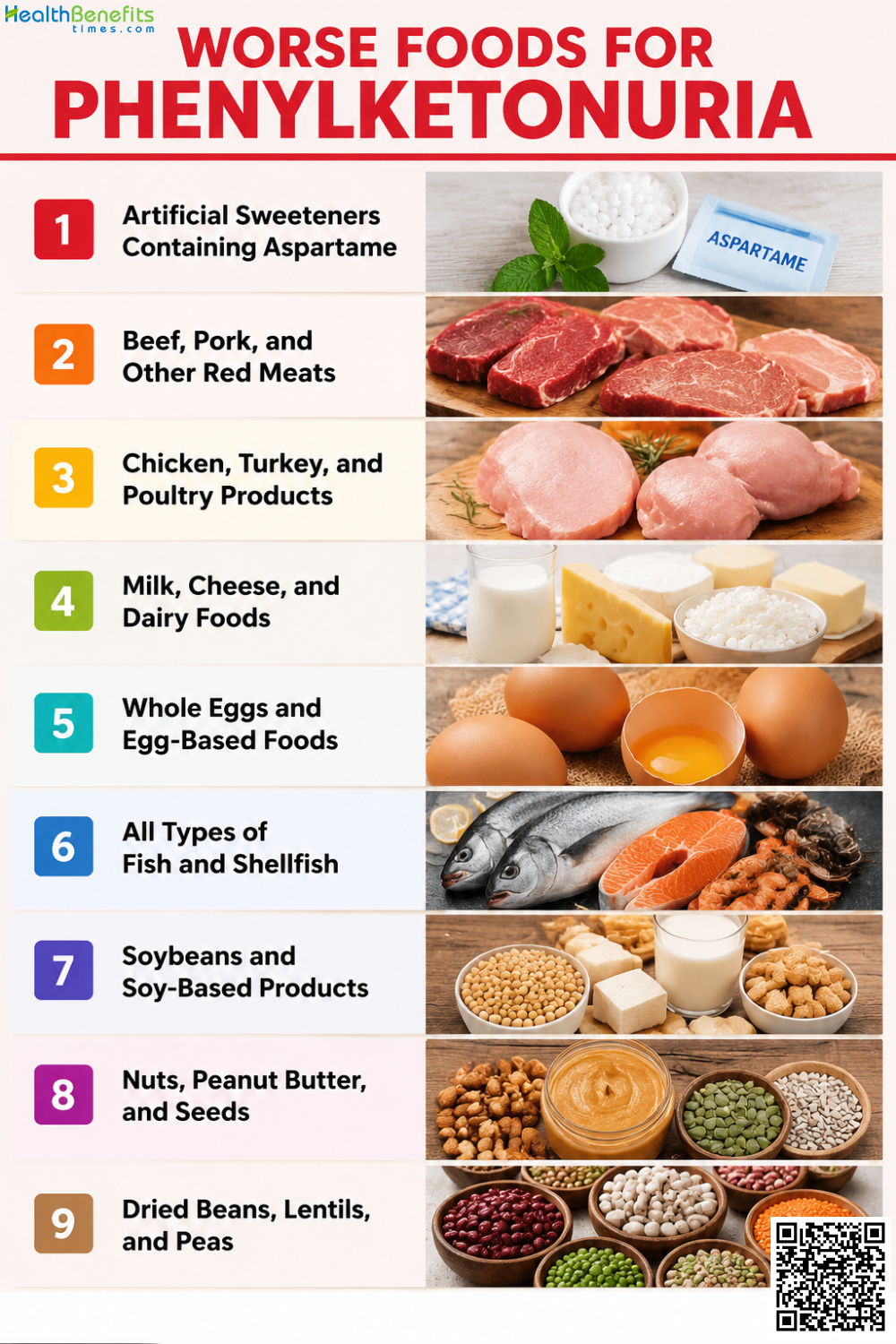
4. Milk, Cheese, and Dairy Foods
What research says
Medical research identifies milk, cheese, and all dairy products as high-protein foods containing dangerous amounts of phenylalanine 10. Clinical guidelines strictly prohibit dairy consumption for individuals with phenylketonuria, because the rapid accumulation of these amino acids causes immediate toxicity that leads directly to severe, irreversible brain damage 7.
Potential precautions or side effects
You must rigorously check food labels to avoid hidden dairy derivatives, like whey or casein, which will rapidly spike blood toxins and trigger severe cognitive decline 10.
5. Whole Eggs and Egg-Based Foods
What research says
Medical research strictly classifies whole eggs as high-protein foods containing dangerous concentrations of the amino acid phenylalanine 10. Clinical guidelines mandate the total elimination of eggs from a PKU diet, as consuming them causes rapid, toxic accumulation in the blood that directly triggers severe neurological damage 7.
Potential precautions or side effects
You must thoroughly check labels on baked goods and mayonnaise for hidden egg ingredients, as even small amounts will quickly trigger toxic buildup and severe cognitive impairment 10.
6. All Types of Fish and Shellfish
What research says
Medical research classifies all varieties of fish and shellfish as extremely high-protein foods that contain dangerous concentrations of phenylalanine 10. Clinical protocols strictly prohibit their consumption, as digesting marine proteins causes a rapid, toxic accumulation in the bloodstream that leads directly to severe, irreversible brain damage 7.
Potential precautions or side effects
You must strictly avoid fish sauces, oyster extract, and imitation crab, because even trace amounts of marine protein will rapidly trigger toxic buildup and immediate cognitive impairment 10.
7. Soybeans and Soy-Based Products
What research says
Medical research classifies soybeans and soy-based products as highly concentrated sources of plant protein, making them extremely rich in phenylalanine 10. Clinical guidelines strictly prohibit their consumption, as digesting soy causes a rapid, toxic accumulation in the blood that directly triggers severe neurological damage 7.
Potential precautions or side effects
You must carefully inspect food labels for hidden soy derivatives, like soy protein isolate or soy flour, because even small amounts quickly cause toxic buildup and severe cognitive decline 10.
8. Nuts, Peanut Butter, and Seeds
What research says
Medical research classifies nuts, peanut butter, and seeds as high-protein plant foods containing dangerous concentrations of phenylalanine 10. Clinical guidelines strictly prohibit their consumption, as digesting these concentrated proteins causes a rapid, toxic accumulation in the bloodstream that leads directly to severe, irreversible brain damage 7.
Potential precautions or side effects
You must rigorously check food labels on baked goods, granola bars, and salads for hidden nuts or seeds, as trace amounts quickly trigger toxic buildup and severe cognitive decline 10.
9. Dried Beans, Lentils, and Peas
What research says
Medical research identifies dried beans, lentils, and peas as high-protein legumes containing dangerous concentrations of the amino acid phenylalanine 10. Clinical guidelines strictly prohibit their consumption, as digesting these foods causes a rapid, toxic accumulation in the blood that directly triggers severe neurological damage 7.
Potential precautions or side effects
You must carefully inspect food labels for hidden pea protein or bean flour, because even small amounts quickly cause toxic buildup and severe cognitive decline 10.
10. Standard Wheat Flour Products
What research says
Medical research confirms that standard wheat flour contains gluten, a protein heavily concentrated with the amino acid phenylalanine 10. Clinical guidelines strictly prohibit regular breads, pastas, and cereals, because digesting these common carbohydrates causes a rapid, toxic accumulation in the blood that directly triggers severe neurological damage 7.
Potential precautions or side effects
You must strictly avoid standard baked goods and substitute them with specialized low-protein alternatives, because eating regular flour quickly causes toxic buildup and severe cognitive decline 1.
When to see a Doctor when you struggle from Phenylketonuria
1. Preconception and Pregnancy
If you plan to become pregnant, you must consult a physician immediately, as high maternal phenylalanine levels cause severe, irreversible birth defects 7.
2. Neurological Symptoms
Seek immediate medical care if you experience sudden seizures, involuntary tremors, or abnormal movements, as these indicate dangerously toxic amino acid levels in the brain 2.
3. Behavioral and Mood Changes
Schedule an evaluation if you develop severe anxiety, sudden aggressive outbursts, or significant depression, because these psychiatric symptoms strongly suggest poor metabolic control 4.
4. Routine Blood Monitoring
You must visit your metabolic specialist regularly for scheduled blood tests to verify that your phenylalanine levels remain strictly within safe, therapeutic ranges 1.
5. Dietary Management Issues
Consult your clinical dietitian if you struggle to maintain the strict low-protein diet, to properly adjust your medical formula and prevent dangerous tissue breakdown 1.
Comments
comments