

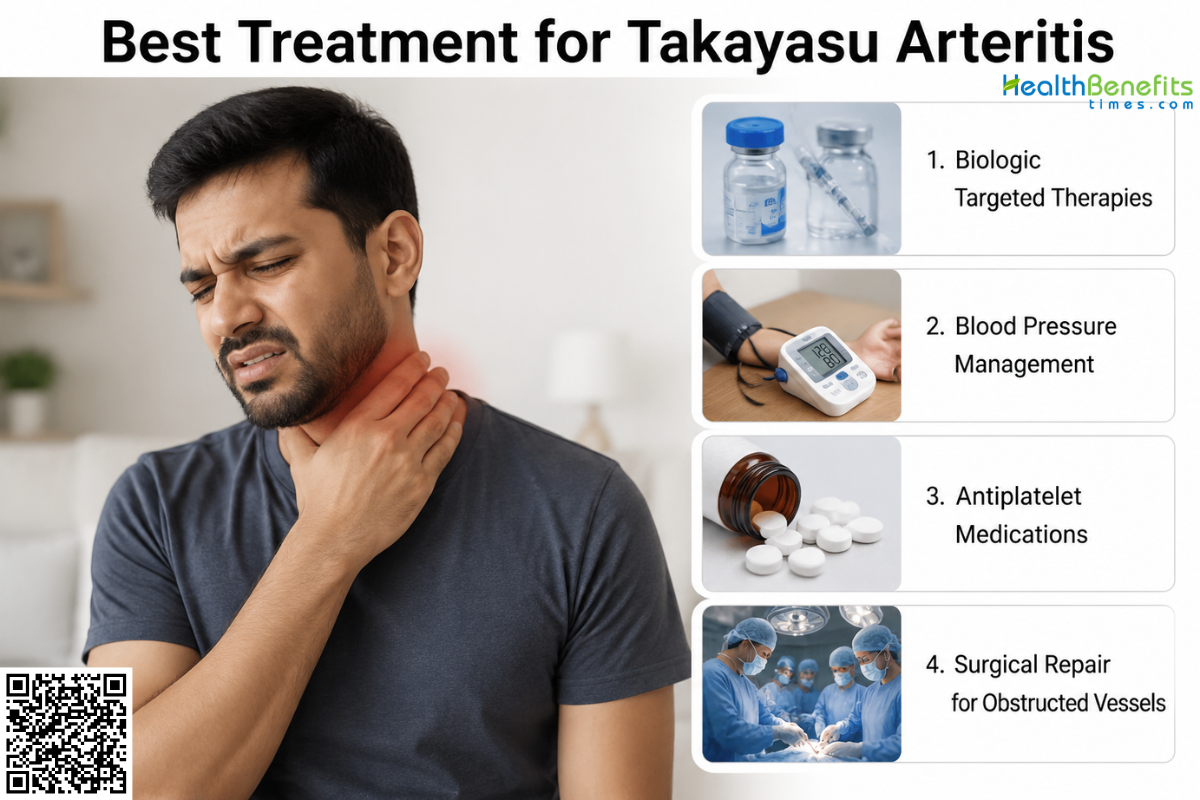
Causes of Takayasu Arteritis
The exact cause of Takayasu arteritis remains unknown, though scientific consensus characterizes it as a multifactorial autoimmune process. Current evidence points to a combination of the following factors:
- Autoimmune Dysfunction: The condition arises when the immune system mistakenly attacks the body’s own arterial tissues, specifically targeting the cells within the vessel walls. This creates chronic inflammation that gradually damages the structural integrity of the arteries 1.
- Genetic Predisposition: Research indicates a strong link between specific human leukocyte antigen (HLA) gene variations and an increased susceptibility to the disease. Certain genetic markers make individuals more prone to developing this inflammatory response when exposed to environmental triggers 4.
- Environmental and Infectious Triggers: While not fully understood, experts believe that certain bacterial or viral infections may act as catalysts in genetically vulnerable people. These external agents can cause the immune system to misidentify arterial proteins as threats, initiating an inflammatory cascade that persists even after the initial infection has cleared 2.
Symptoms of Takayasu Arteritis
Symptoms often progress through two distinct phases: an initial systemic stage and a later stage characterized by reduced blood flow due to vessel narrowing.
- Early Systemic Symptoms: In the initial stage, patients frequently experience non-specific signs of inflammation. These include persistent fatigue, unexplained weight loss, mild fever, and generalized muscle or joint pain 2.
- Vascular Impairment Symptoms: As inflammation narrows the arteries, blood flow to specific areas becomes limited. This often manifests as pain or weakness in the arms or legs during physical activity, known as claudication. Affected individuals may also experience dizziness, lightheadedness, or fainting spells if blood flow to the brain is restricted 1.
- Physical Exam Findings: A hallmark clinical sign is the weakening or total absence of pulses in the wrists or arms. Additionally, doctors may hear an abnormal “whooshing” sound, called a bruit, when listening to blood flow through narrowed vessels with a stethoscope 4.
- Organ-Specific Issues: Severe narrowing can lead to complications such as high blood pressure, visual disturbances, or chest pain resulting from reduced circulation to the kidneys, eyes, or heart, respectively 3.
Best Treatment for Takayasu Arteritis
1. Corticosteroid Therapy
How it may help
Corticosteroids function by rapidly suppressing immune-mediated inflammation within large vessel walls, which helps stabilize arterial structures and prevents further tissue damage 6.
What research says
Clinical evidence confirms these agents are highly effective for inducing initial remission, though frequent relapses during tapering often require the addition of steroid-sparing immunosuppressive medications for long-term maintenance 7, 8.
How to use it safely
To use this therapy safely, you must strictly follow a physician-directed, gradual dosage reduction schedule while undergoing regular monitoring for disease activity and adrenal function 6. Supplementing with calcium and vitamin D is standard practice to preserve bone health during treatment 6.
Potential precautions or side effects
Common side effects include elevated blood sugar, hypertension, increased infection risk, weight gain, osteoporosis, and mood fluctuations 9.
2. Disease-Modifying Antirheumatic Drugs (DMARDs)
How it may help
DMARDs, including conventional and biologic agents, help control Takayasu arteritis by suppressing the overactive immune system to reduce chronic vessel wall inflammation, thereby preventing arterial stenosis and secondary organ damage 6.
What research says
Research indicates that incorporating DMARDs as “steroid-sparing” agents significantly improves long-term remission rates and reduces the cumulative dose of corticosteroids, which minimizes therapy-related toxicity 7, 8.
How to use it safely
To use these medications safely, you must strictly adhere to regular blood monitoring—including complete blood counts and liver or kidney function tests—to detect early signs of toxicity 6. Ensure you maintain up-to-date vaccinations and notify your care team immediately if you develop symptoms of infection.
Potential precautions or side effects
Potential side effects include an increased risk of serious infections, liver enzyme elevations, decreased blood cell counts, and gastrointestinal distress 10.
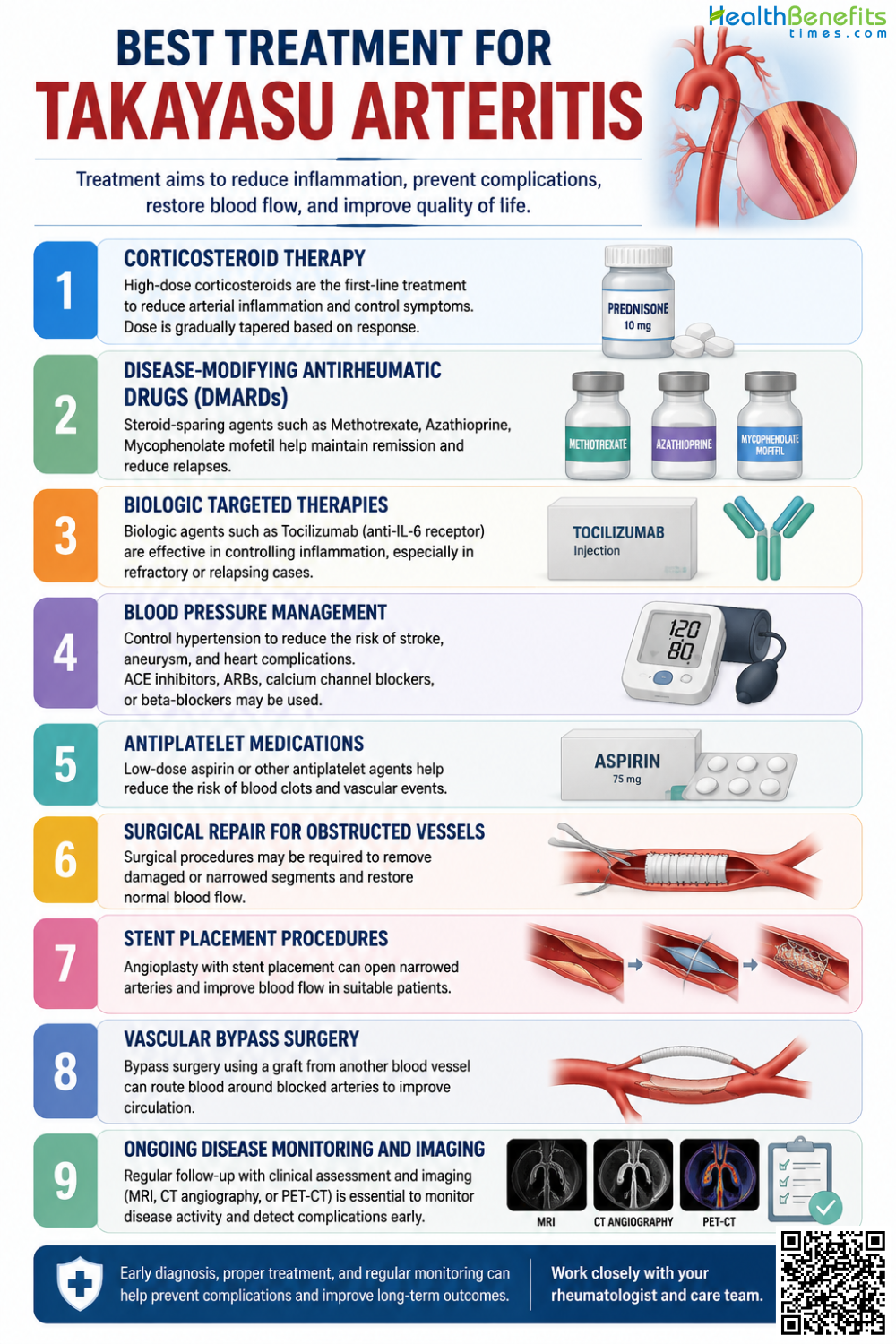
3. Biologic Targeted Therapies
How it may help
Biologic therapies, such as tumor necrosis factor (TNF) inhibitors or interleukin-6 (IL-6) receptor antagonists, precisely target specific proteins driving immune system overactivity. By blocking these inflammatory signals, they reduce arterial wall swelling and help prevent further vascular narrowing or damage when traditional immunosuppressive treatments are ineffective 6.
What research says
Research confirms that these targeted agents significantly improve clinical remission rates and aid in reducing long-term dependence on high-dose corticosteroids, which protects patients from chronic medication toxicity 7, 8.
How to use it safely
To use these therapies safely, you must undergo pre-treatment screening for latent infections, such as tuberculosis, and receive all necessary non-live vaccinations 11. Maintain consistent clinical follow-ups to monitor for drug-induced reactions and ensure the therapy remains effective at controlling your disease activity.
Potential precautions or side effects
Potential precautions include an increased risk of serious infections, infusion-related reactions, and, rarely, reactivation of dormant viral infections like hepatitis or tuberculosis 10.
4. Blood Pressure Management
How it may help
Effective blood pressure control is critical in Takayasu arteritis, as narrowing of the aorta or renal arteries often causes secondary hypertension. Managing these levels reduces the strain on damaged vessel walls, lowers the risk of stroke, and prevents further cardiovascular deterioration 6.
What research says
Research indicates that maintaining target blood pressure—often using ACE inhibitors or ARBs—is essential for organ protection and long-term survival, particularly in patients with kidney involvement or vascular stenosis 8, 12.
How to use it safely
To use these medications safely, monitor your blood pressure regularly using a device calibrated for upper-arm use and keep a detailed log for your clinical team. Adhere strictly to your prescribed dosage schedule and avoid non-prescription supplements that may interfere with your medication’s efficacy 13.
Potential precautions or side effects
Potential precautions include monitoring for dizziness, lightheadedness, or electrolyte imbalances, especially if your treatment plan involves diuretics or specifically affects kidney function markers.
5. Antiplatelet Medications
How it may help
Takayasu arteritis causes inflammation that narrows blood vessels, increasing the risk of clots and blockages. Antiplatelet medications, such as aspirin, help prevent these dangerous events by keeping blood flowing smoothly and reducing the “stickiness” of blood cells that can cause dangerous obstructions in narrowed arteries 14.
What research says
Research indicates that these medications are associated with a lower frequency of ischemic events, such as strokes, in patients with this condition. While findings from smaller studies have been mixed regarding the ideal dosage, many clinical experts consider them a helpful addition to standard immune-suppressing treatments to protect long-term vascular health 15.
How to use it safely
You must use these medications only under the strict guidance of your rheumatologist or vascular specialist. They will evaluate your specific cardiovascular risks and vessel damage to determine if antiplatelet therapy is appropriate for you. Always take the exact dosage prescribed and report any unusual bruising or symptoms to your doctor immediately 8.
Potential precautions or side effects
The primary precaution is an increased risk of bleeding, including stomach or intestinal bleeding. If you notice signs like black stools, persistent nosebleeds, or easy bruising, contact your healthcare provider right away 15.
6. Surgical Repair for Obstructed Vessels
How it May Help
When Takayasu arteritis severely narrows major arteries, surgical repairs like bypass surgery or balloon procedures help restore normal blood flow. By creating a new pathway or widening the obstructed vessel, these operations effectively relieve critical complications such as extreme high blood pressure, limb pain, and severe organ damage 2.
What Research Says
While less invasive catheter-based treatments are available, research confirms that traditional open bypass surgery provides longer-lasting vessel openness for patients with significant blockages. However, final clinical conclusions emphasize that long-term surgical success heavily relies on aggressively suppressing active vessel inflammation both before and after the procedure 16 17.
How to Use it Safely
To ensure the best outcome, you should only undergo surgery when your blood vessel inflammation is fully controlled. Work closely with your specialists to manage your immune-suppressing medications around the time of your operation, which significantly lowers the chance of surgical failure 16.
Potential Precautions or Side Effects
Surgical risks include bleeding, recurring blockages, and dangerous vessel swelling. You need continuous medical follow-up to promptly detect and treat bypass failure, heart valve leaks, or returning inflammation 18 19.
7. Stent Placement Procedures
How it may help
Stent placement involves inserting a small mesh tube into a narrowed artery to keep it open. This procedure restores critical blood flow to organs or limbs, effectively managing symptoms such as organ dysfunction or severe pain caused by blocked vessels in individuals with Takayasu arteritis 16.
What research says
Clinical evidence indicates that stents are effective for managing localized, short-segment vessel narrowing. However, research emphasizes that this approach is generally reserved for situations where inflammation is inactive, as active vessel wall disease significantly increases the risk of the artery closing again or developing new complications after the procedure 20.
How to use it safely
For safety, you must ensure your condition is in a period of remission before the procedure. Coordinate closely with your rheumatology team to confirm your inflammation is managed, as this significantly improves long-term outcomes and reduces the likelihood of repeat blockages after the stent is placed 16.
Potential precautions or side effects
Potential risks include blood clots forming on the stent, tissue overgrowth blocking the vessel, or structural damage to the artery wall requiring further medical intervention 2.
8. Vascular Bypass Surgery
How it may help
Vascular bypass surgery creates a new route for blood to flow around a severely narrowed or blocked artery. This procedure is critical when blockages restrict blood flow to vital organs or limbs, helping to restore normal circulation, manage high blood pressure, and relieve ischemia-related pain or organ damage in patients with Takayasu arteritis 2.
What research says
Research indicates that bypass surgery is often more durable than minimally invasive options for addressing extensive or complex vessel blockages. Experts strongly conclude that successful long-term outcomes depend primarily on performing the surgery while the underlying disease is in a stable, non-inflammatory state to ensure the new graft remains open and functional 16 21.
How to use it safely
To use this treatment safely, you must work with a multidisciplinary team to ensure your inflammation is medically controlled before surgery. Post-operatively, you should adhere strictly to prescribed anti-inflammatory medications and attend regular vascular screenings to monitor the graft and prevent recurring vessel damage 16.
Potential precautions or side effects
Key risks include surgical bleeding, infection at the graft site, or failure of the bypass due to a return of active inflammation in the surrounding vessel tissue 2.
9. Ongoing Disease Monitoring and Imaging
How it may help
Regular monitoring and imaging are essential for detecting vessel inflammation before permanent damage occurs. By tracking physical signs and using advanced imaging—such as ultrasound, MRI, or PET scans—clinicians can assess disease activity levels. This allows for timely adjustments to medications, ensuring that treatment effectively prevents vessel narrowing or life-threatening structural complications 16.
What research says
Research confirms that clinical symptoms alone are often unreliable for gauging disease status. Expert guidelines emphasize that serial imaging is the standard of care for identifying subclinical inflammation. These findings show that combining regular blood tests with objective imaging significantly improves the ability to maintain long-term remission and protect vascular integrity 2 20.
How to use it safely
You should schedule routine check-ups with your rheumatologist to review your symptoms and imaging results. It is important to attend all recommended screening appointments, even when you feel well, to ensure that silent vessel inflammation is detected early and treated before it causes permanent, irreversible blockage 16.
Potential precautions or side effects
Imaging procedures may involve exposure to radiation or contrast dyes, which can affect kidney function or cause allergic reactions. Discuss these specific risks with your radiology team beforehand 2.
Foods to Avoid When You Suffer from Takayasu Arteritis
While no specific diet cures Takayasu arteritis, managing systemic inflammation and cardiovascular risk factors such as hypertension and corticosteroid-induced metabolic changes is essential for patient outcomes 6.
1. Excess Sodium
High salt intake elevates blood pressure, placing undue stress on inflamed, narrowed arteries and potentially worsening cardiovascular complications associated with the disease 22.
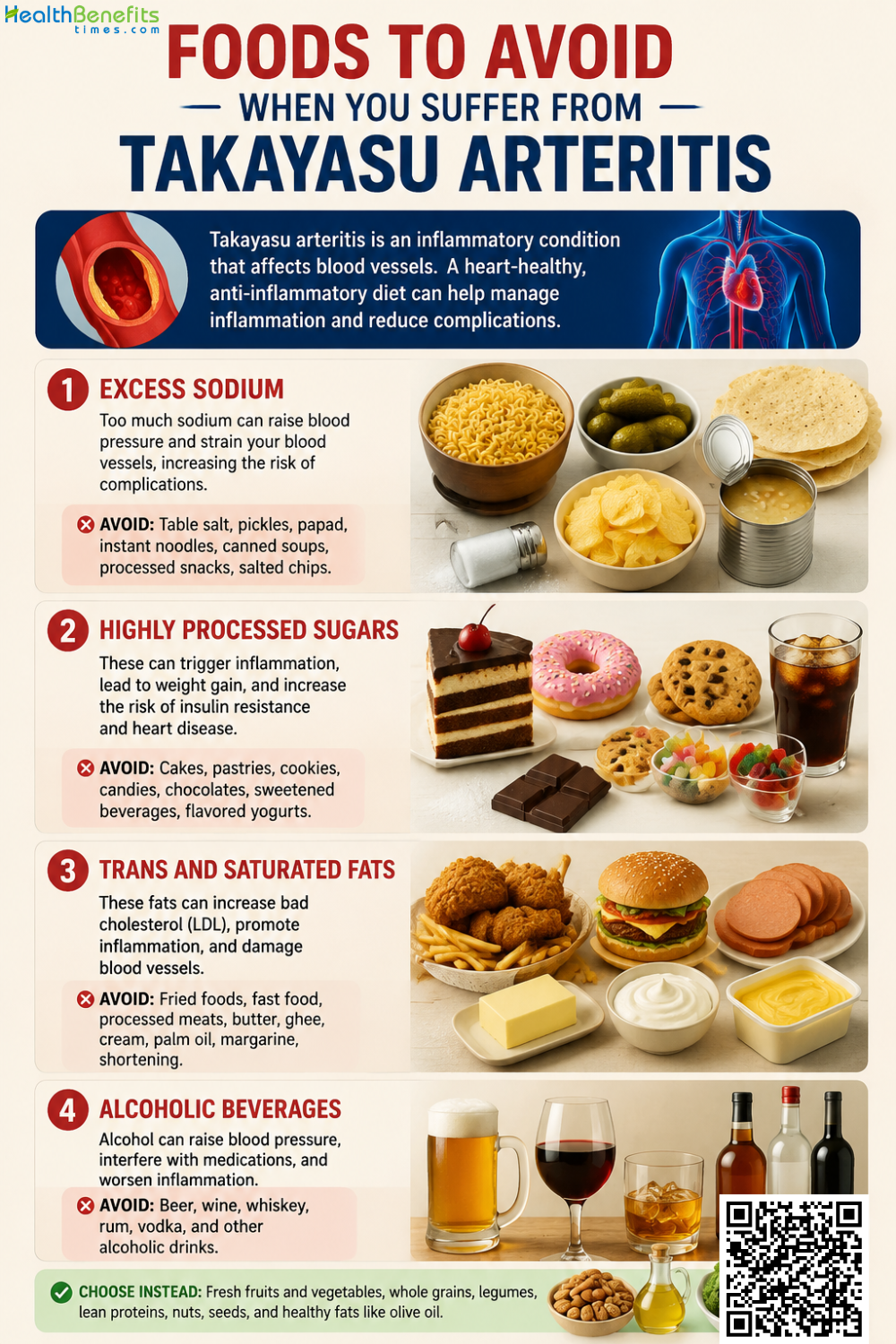
2. Highly Processed Sugars
Excessive sugar consumption contributes to weight gain and insulin resistance, which are critical concerns for patients undergoing long-term steroid therapy, as these drugs increase metabolic risk 6.
3. Trans and Saturated Fats
These fats promote systemic inflammation and arterial plaque buildup, which can exacerbate existing vascular damage and increase the risk of heart disease in vasculitis patients 13.
4. Alcoholic Beverages
Alcohol can negatively interact with immunosuppressive medications, potentially impairing liver function and reducing the efficacy of treatments required to manage chronic arterial inflammation 23.
When to Consult a Physician for Takayasu Arteritis
Given the progressive nature of Takayasu arteritis, proactive monitoring is essential to detect disease flares, prevent vessel occlusion, and manage treatment-related complications 6. Seek immediate medical evaluation if you experience the following:
1. Sudden Neurological Changes
Report new-onset vision loss, severe dizziness, fainting, or speech difficulties, as these may signal reduced blood flow to the brain or carotid artery involvement 24.
2. Unexplained Chest Pain or Shortness of Breath
These symptoms may indicate heart involvement or compromised circulation to the lungs, requiring urgent cardiac assessment to prevent severe vascular events 8.
3. New or Worsening Claudication
Increasing pain, weakness, or fatigue in the arms or legs during physical activity suggests progressive narrowing of peripheral arteries that warrants clinical intervention 6.
4. Signs of Severe Infection
Because immunosuppressive therapies increase infection risk, contact your physician for fevers, chills, or persistent coughs, which can escalate rapidly in immunocompromised patients 25.
5. Uncontrolled Blood Pressure
Significant fluctuations in blood pressure readings require professional review, as arterial stiffness or kidney involvement may complicate management and increase stroke risk 13.
Comments
comments