

Background on Cinnamon
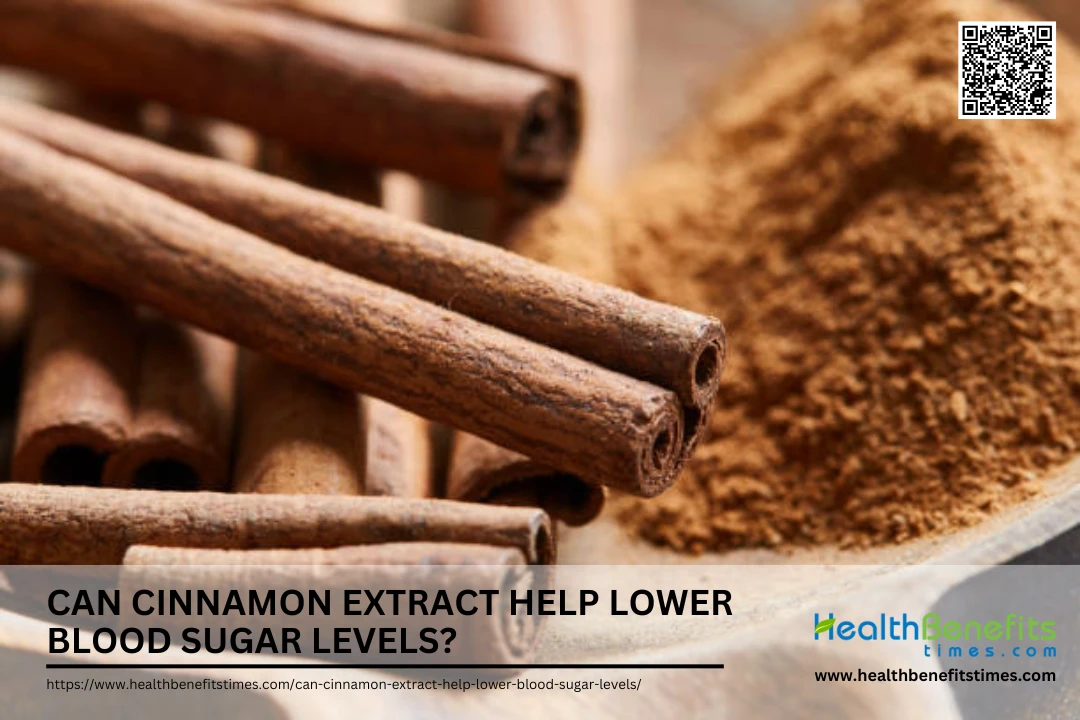
Cinnamon, a spice derived from the inner bark of trees of the genus Cinnamomum, is celebrated not only for its culinary uses but also for its medicinal properties. There are two main types of cinnamon widely used: Ceylon cinnamon (Cinnamomum verum), known as “true cinnamon,” and Cassia cinnamon (Cinnamomum cassia), which is more common but contains higher levels of coumarin, a compound with potential toxicity in large amounts. (7) Historically, cinnamon has played a significant role in traditional medicine across cultures, being used to treat ailments such as respiratory and digestive disorders, as well as infections. (8) The therapeutic effects of cinnamon are attributed to its active compounds, including cinnamaldehyde, which has anti-inflammatory and antimicrobial properties, and eugenol, which is recognized for its antioxidant potential. (9) (10) (11) (12) Cinnamon’s significance extends beyond its health benefits; it was once a highly prized commodity, shaping trade routes and economies in ancient civilizations. (13) (14)
How cinnamon extract help lower blood sugar levels?
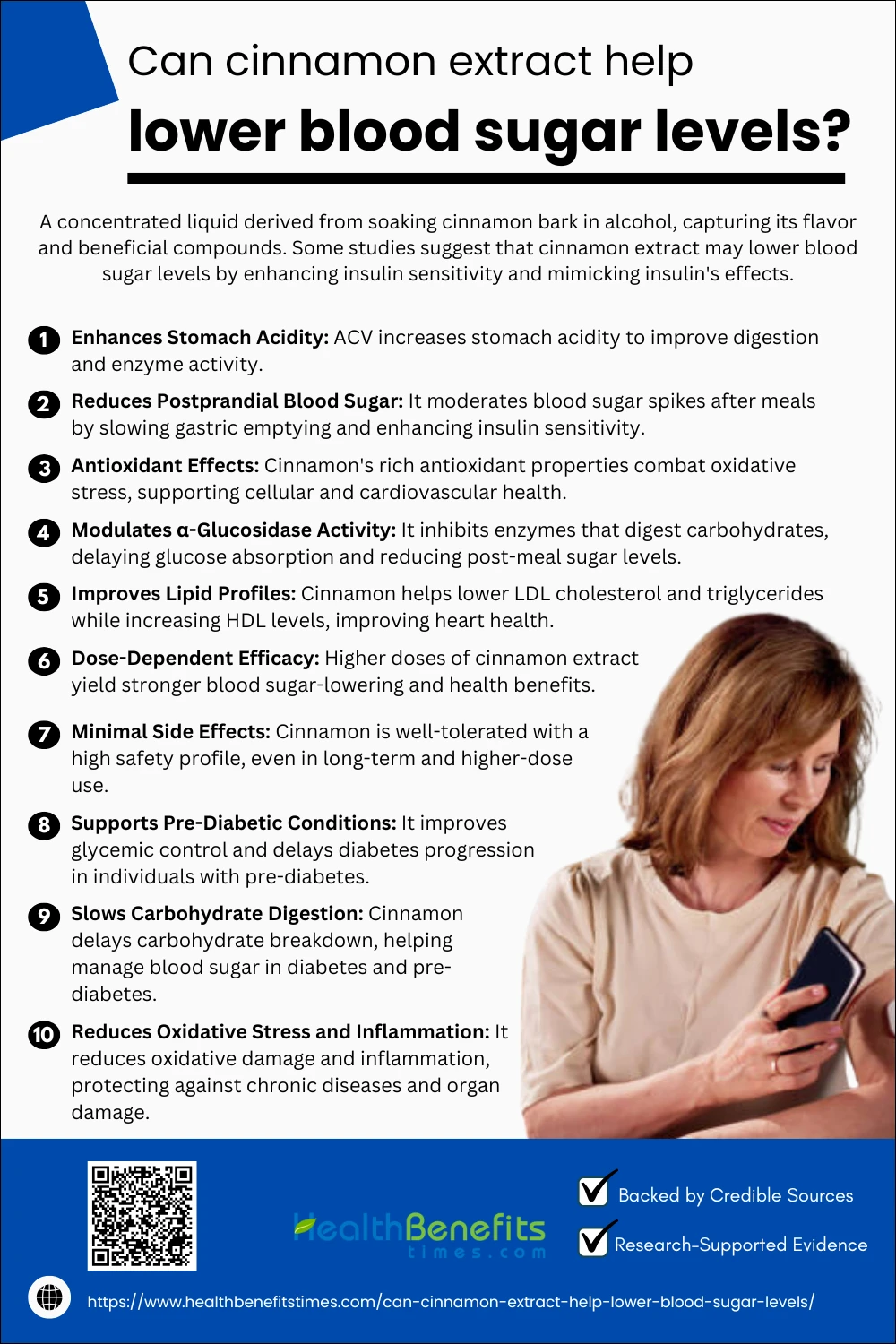
Cinnamon extract has gained attention as a potential natural remedy for managing blood sugar levels. Research shows that cinnamon enhances insulin sensitivity, facilitating more effective glucose uptake by cells and thereby reducing overall blood sugar levels. (2) Additionally, studies reveal that cinnamon significantly lowers fasting blood glucose levels in individuals with type 2 diabetes. (15) Its ability to inhibit digestive enzymes such as α-amylase and α-glucosidase slows carbohydrate breakdown, moderating post-meal blood sugar spikes. (16) Cinnamon’s antioxidant properties also help combat oxidative stress, a major contributor to insulin resistance. (17) The active compound cinnamaldehyde in cinnamon plays a key role in improving insulin signaling pathways, further enhancing glucose metabolism. (18) Moreover, cinnamon supplementation has shown promise in improving lipid profiles and stabilizing blood glucose in individuals with metabolic syndrome. (19) For prediabetic individuals, regular intake of cinnamon may delay the progression to diabetes. (20) Research also indicates that cinnamon’s blood sugar-lowering effects are dose-dependent, with greater benefits observed at higher doses. (21) Overall, while cinnamon is not a standalone treatment, its integration as a dietary supplement shows potential for complementary blood sugar management. (22)
1. Lowers Fasting Blood Glucose
Cinnamon extract has garnered significant attention for its potential to lower fasting blood glucose levels, particularly in individuals with type 2 diabetes. Research highlights its beneficial effects on metabolic biomarkers, showing notable improvements in glycemic control among those supplemented with cinnamon. (23)
3. Reduces Postprandial Blood Sugar
Cinnamon extract has demonstrated significant efficacy in reducing postprandial blood sugar levels, making it a promising natural intervention for glycemic control. Studies have consistently shown that consuming cinnamon before meals can moderate the rise in blood glucose following carbohydrate intake by slowing gastric emptying and enhancing insulin sensitivity. (23)
4. Antioxidant Effects
Cinnamon extract is widely recognized for its potent antioxidant properties, which are attributed to its rich polyphenol and phenolic acid content. These compounds effectively neutralize free radicals and reduce oxidative stress, contributing to enhanced cellular health and protection against chronic diseases. (24) Comparative analyses have shown cinnamon’s ability to outperform synthetic antioxidants in scavenging reactive oxygen species. (25) Its role in modulating mitochondrial function has also been emphasized, demonstrating significant benefits in managing oxidative stress-related conditions. (26) Furthermore, studies have linked cinnamon extract to improved cardiovascular health by mitigating oxidative damage to lipids and proteins. (27) The versatility of cinnamon in various formulations, such as cyclodextrin nanosponges, enhances its bioavailability and antioxidant efficacy. (28) Research has also highlighted its protective effects on liver function, particularly against damage induced by oxidative agents. (29) Clinical findings support the inclusion of cinnamon as a functional ingredient in diets to bolster antioxidative defenses. (30) The synergistic effect of cinnamon with other bioactive compounds further amplifies its antioxidative potential. (31) Lastly, advancements in extraction techniques continue to enhance the accessibility and potency of cinnamon’s antioxidant components. (32)
5. Modulates α-Glucosidase Activity
Cinnamon extract has been identified as a potent modulator of α-glucosidase activity, which plays a crucial role in postprandial glucose regulation. Studies have demonstrated that its bioactive components effectively inhibit α-glucosidase, resulting in delayed carbohydrate digestion and reduced blood glucose spikes. (33) Research also highlights its potential to synergize with dietary and pharmacological strategies to manage diabetes. (34) Comparative studies reveal that its effectiveness varies depending on the cinnamon species and preparation methods. (35) Moreover, advanced extraction techniques enhance the bioavailability and efficacy of its active components, such as cinnamaldehyde and polyphenols. (36) The antioxidant properties of cinnamon further amplify its glycemic benefits by reducing oxidative stress. (37) Research underscores the extract’s multifaceted role in managing diabetes through metabolic regulation and enzyme modulation. (38) (39)
6. Dose-Dependent Efficacy
Cinnamon extract exhibits dose-dependent efficacy, enhancing its therapeutic potential across a variety of health applications. Studies reveal that higher doses of cinnamaldehyde, a primary active compound, significantly modulate oxidative stress and genotoxicity, underscoring its protective effects. (40) Research further emphasizes its potent antitumor properties, with increased dosages demonstrating pronounced inhibition of oral squamous cell carcinoma cell lines. (41) Clinical trials affirm the dose-responsive nature of cinnamon in regulating blood glucose levels, with substantial benefits observed at optimized concentrations. (42) Additionally, higher dosages have been linked to improved lipid profiles and reduced markers of inflammation in metabolic disorders. (43) The incremental impact of cinnamon dosage is also evident in enhancing enzymatic activities, such as α-glucosidase inhibition, crucial for diabetes management. (36) Longitudinal studies support that consistent higher-dose supplementation results in marked reductions in HbA1c levels, reflecting better long-term glycemic control. (44) Furthermore, its antioxidant capacity improves with dosage escalation, mitigating oxidative stress-related conditions. (27)
7. Improves Lipid Profiles
Cinnamon extract has been shown to improve lipid profiles significantly, making it a valuable natural intervention for cardiovascular health. Research demonstrates that supplementation with cinnamon can reduce triglycerides and LDL cholesterol while increasing HDL levels, contributing to improved heart health. (45) Animal studies further support its efficacy, with cinnamon reducing lipid peroxidation and enhancing the polyunsaturated to saturated fatty acid ratio in diets. (46) A systematic review highlights its role in lowering total cholesterol and improving glycemic control, especially in individuals with type 2 diabetes. (23) Functional food formulations, such as cinnamon-enriched porridges, have also shown potential in lipid profile modulation. (47) When combined with other nutrient-rich ingredients, such as tiger nut milk, cinnamon enhances lipid metabolism and antioxidant capacity. (48) Additional studies reveal that its active compounds, such as cinnamaldehyde, contribute to anti-inflammatory and lipid-lowering effects. (43) These findings suggest that cinnamon extract offers a promising adjunctive approach in managing dyslipidemia and preventing atherosclerosis. (36)
8. Minimal Side Effects
Cinnamon extract is recognized for its minimal side effects, making it a safer alternative for health interventions compared to many synthetic drugs. Studies consistently show its excellent safety profile, with no significant adverse effects observed even in higher doses. (49) Preclinical toxicity assessments have highlighted its suitability for long-term use, demonstrating no observable adverse effect levels (NOAEL) in animal models. (50) Clinical trials further confirm its well-tolerated nature across diverse applications, including glucose regulation and lipid profile improvement. (51) Additionally, its antimicrobial and antioxidant properties contribute to its wide-ranging benefits without causing harm. (28) Research in herbal medicine underscores its efficacy and safety, making it a preferred choice in integrative health therapies. (52) Formulations such as cinnamon-infused foods also reflect its suitability for routine dietary inclusion, posing no significant risks. (53)
9. Supports Pre-Diabetic Conditions
Cinnamon extract has shown significant potential in supporting pre-diabetic conditions by improving glycemic control and metabolic health. Research highlights the role of cinnamon polyphenols in decreasing insulin resistance and supporting cardiovascular health. (1) Additionally, its antioxidant properties help mitigate oxidative stress, a key factor in diabetes progression. (54) Double-blind studies further underscore its benefits in managing pre-diabetes and metabolic syndrome through enhanced insulin function. (55) Systematic reviews affirm cinnamon’s role as a complementary approach in glycemic and lipid control. (56) These findings collectively position cinnamon extract as a natural, effective intervention for pre-diabetic conditions. (44)
10. Slows carbohydrate digestion
Cinnamon extract has been shown to slow carbohydrate digestion effectively, aiding in glycemic control and reducing postprandial glucose spikes. Studies demonstrate that its bioactive compounds inhibit digestive enzymes like α-amylase and α-glucosidase, delaying carbohydrate breakdown. (1) Research highlights that consuming cinnamon with carbohydrate-rich meals lowers glucose absorption rates. (22) The extract’s ability to modulate gastric emptying further supports its impact on blood sugar regulation. (57) These properties are particularly beneficial for individuals managing pre-diabetes or type 2 diabetes. (58) Clinical trials have also reported improved insulin sensitivity and overall metabolic health with cinnamon supplementation. (59) The dose-dependent effects underscore the importance of tailoring cinnamon intake for optimal benefits. (60) Emerging evidence continues to validate cinnamon as a natural dietary adjunct for carbohydrate digestion management. (42)
11. Reduces oxidative stress and inflammation
Cinnamon extract has been shown to significantly reduce oxidative stress and inflammation, highlighting its potential as a natural therapeutic agent. Studies demonstrate that its bioactive compounds mitigate cellular oxidative damage and modulate inflammatory pathways. (61) Research also highlights its protective effects against organ damage induced by oxidative stress through upregulating antioxidant enzymes. (62) Further findings underscore its role in preventing inflammation-related chronic conditions by neutralizing free radicals. (63) Clinical trials suggest its efficacy in alleviating multi-organ oxidative and inflammatory stress. (64) Cinnamon extract’s influence on gut health through microbiota regulation and anti-inflammatory effects further supports its therapeutic applications. (65) These benefits, coupled with its safety, make cinnamon an attractive option in integrative health approaches. (66)
Studies on cinnamon extract suggest that its effective doses vary between 1 g and 6 g per day, depending on the intended therapeutic outcomes. Clinical trials also report that refined cinnamon extracts, administered in doses of 120 mg to 2.4 g daily, provide comparable benefits with fewer side effects. (67) Meta-analyses have confirmed that consistent dosing at 2 g per day effectively lowers fasting blood glucose and HbA1c levels. (44) Additionally, a systematic review highlights 3 g daily as an optimal dose for significant antioxidant and anti-inflammatory effects. (68) However, caution is advised with doses exceeding 10 g per day, as adverse effects may occur. (6)
Cinnamon is available in various forms, including powdered cinnamon, essential oils, and refined extracts, each offering unique applications. Powdered cinnamon is commonly used for culinary purposes and as a traditional remedy. (69) Essential oils derived from cinnamon bark are prized for their antimicrobial and therapeutic properties. (70) Cyclodextrin-based cinnamon nanosponges enhance bioactive compound stability, increasing its efficacy in pharmaceutical uses. (26) Additionally, encapsulated forms, such as capsules and tablets, offer convenience for supplementation and precise dosing. (28) Recent advancements in extraction techniques have also enabled the production of water-soluble cinnamon extracts for enhanced bioavailability. (71)
Side Effects of cinnamon extract
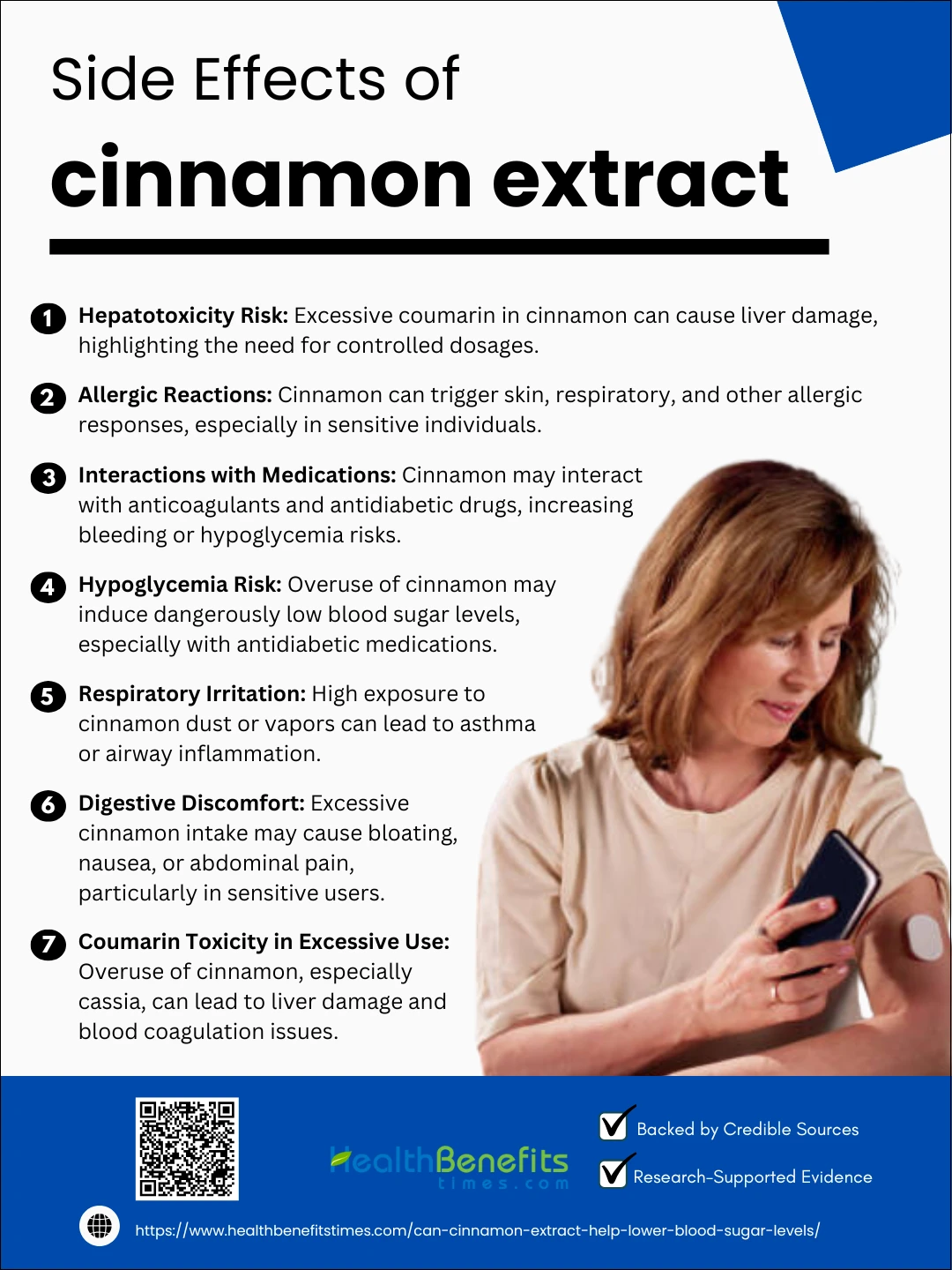
Cinnamon extract, widely used for its potential health benefits, can sometimes lead to adverse effects, including nephrotoxicity and mild gastrointestinal disturbances in sensitive individuals. Studies have highlighted that while cinnamon is generally considered safe, overconsumption or prolonged use might pose risks such as liver toxicity due to high coumarin content, particularly in susceptible populations.
1. Hepatotoxicity Risk
Cinnamon extract, widely used for its therapeutic benefits, has raised concerns due to its potential hepatotoxicity. Research indicates that coumarin, a naturally occurring compound in cinnamon, can lead to liver damage when consumed in excessive amounts. A study highlighted the hepatotoxic and nephrotoxic potential of Cinnamomum cassia in high doses. (72) Another case study revealed acute hepatitis linked to cinnamon supplement usage. (73) Comprehensive assessments also associate coumarin intake from traditional cinnamon-derived medicines with liver risks. (74) Moreover, evaluations emphasize the importance of dose regulation to minimize hepatotoxicity. (75) Cinnamon’s potential as a hepatoprotective agent under controlled conditions remains a significant area of research. (76)
2. Allergic Reactions
Cinnamon extract is associated with allergic reactions, including skin irritation and respiratory issues, particularly in sensitive individuals. Studies have identified cinnamaldehyde as a compound triggering allergic responses. (31) Furthermore, studies on feed additives suggest potential respiratory sensitization. (77) When integrated into cosmetic applications, certain allergic properties may emerge, emphasizing the need for rigorous safety testing. (78) Balancing therapeutic and allergic risks requires understanding individual susceptibilities.
3. Interactions with Medications
Cinnamon extract, though valued for its therapeutic properties, can interact with medications, particularly anticoagulants, due to its coumarin content, potentially increasing bleeding risk. (79) Additionally, its hypoglycemic effects may amplify the activity of antidiabetic drugs, causing unsafe blood sugar drops. (80) Research also suggests interactions with liver-metabolized drugs, affecting their efficacy. (81) Proper dosage and medical consultation are essential to mitigate these risks. (82)
4. Hypoglycemia Risk
Cinnamon extract, often praised for its blood sugar-lowering effects, carries a potential risk of inducing hypoglycemia, especially in individuals taking antidiabetic medications. A meta-analysis highlighted its significant impact on glycolipid metabolism, cautioning against excessive use without monitoring. (83)
5. Respiratory Irritation
Cinnamon extract has been linked to respiratory irritation, especially through occupational exposure or high usage. Studies show its volatile compounds, like cinnamaldehyde, may trigger asthma or respiratory discomfort in workers. (84) Intranasal use in allergic rhinitis patients has also raised concerns about irritation. (85) Additionally, inhaling cinnamon dust or vapors can cause airway inflammation. (86) Proper handling and moderated use are essential to mitigate these risks. (14)
6. Digestive Discomfort
Cinnamon extract, while offering therapeutic benefits, can cause digestive discomfort, such as bloating, abdominal pain, and nausea, particularly in higher doses. Studies highlight its potential to induce such symptoms in sensitive individuals. (87) Excessive intake has been linked to gastrointestinal issues due to cinnamaldehyde’s irritant nature. (88)
7. Coumarin Toxicity in Excessive Use
Excessive use of cinnamon extract, particularly Cinnamomum cassia, poses risks of coumarin toxicity, potentially leading to liver damage and coagulation issues. Coumarin-induced toxicity varies based on concentration and duration of exposure. (72) Risk assessments highlight the need for dose regulation. (75) Moreover, traditional medicine users are particularly at risk due to unregulated dosages. (74) Responsible usage is essential to mitigate adverse outcomes. (89)
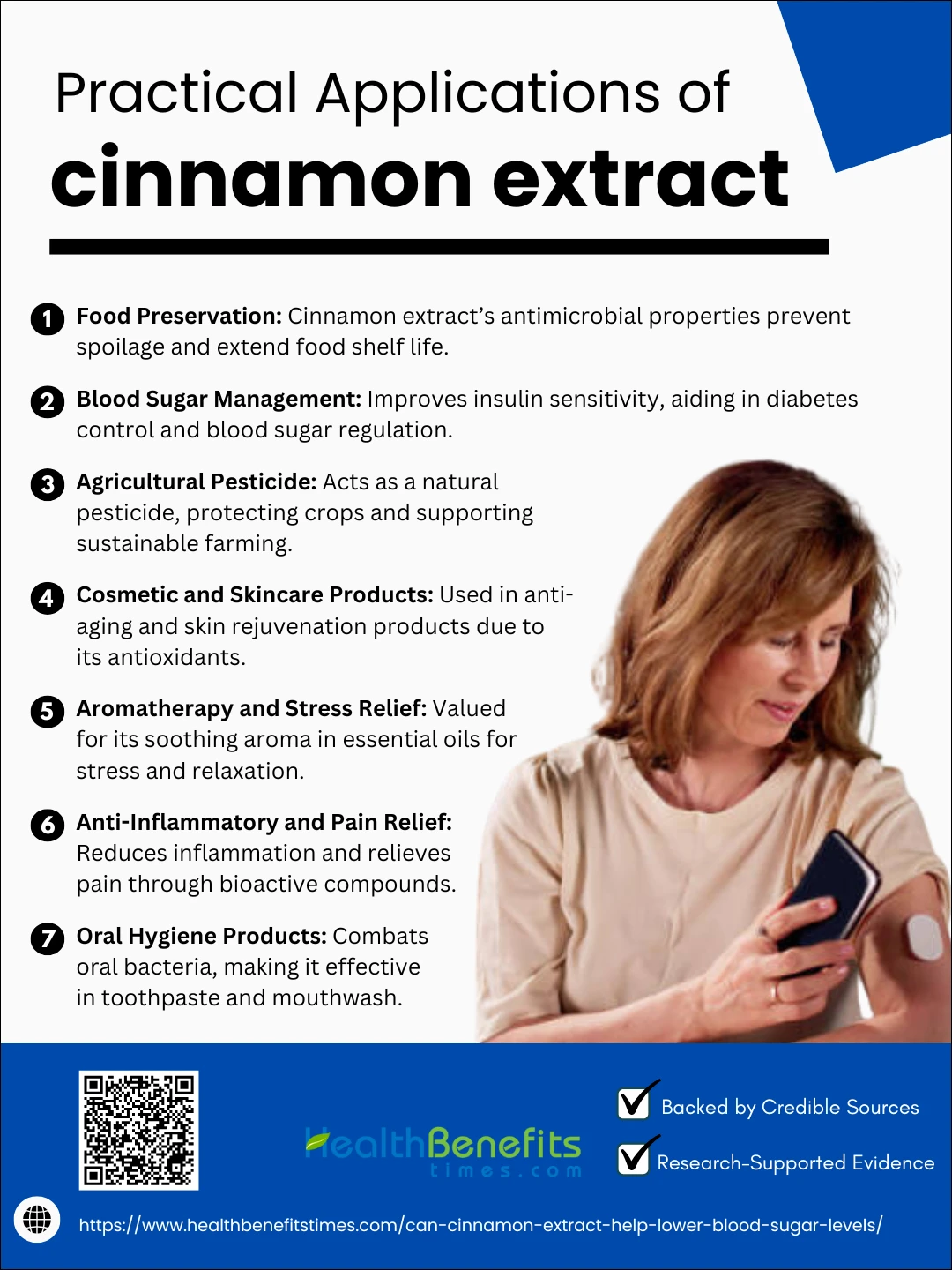
- Food Preservation: Cinnamon extract’s strong antimicrobial properties help in preserving food by preventing microbial growth and extending shelf life. (90)
- Blood Sugar Management: Its active compounds like cinnamaldehyde improve insulin sensitivity, making it beneficial for diabetes management. (72)
- Agricultural Pesticide: Used as a natural pesticide to mitigate pest pressures and combat plant diseases in sustainable farming. (91)
- Cosmetic and Skincare Products: Antioxidant-rich cinnamon extract is a key ingredient in anti-aging and skin rejuvenation formulations. (75)
- Aromatherapy and Stress Relief: Its aromatic properties make it a popular component in essential oils and stress-relief products. (14)
- Anti-Inflammatory and Pain Relief: Known for reducing inflammation and alleviating pain due to its bioactive compounds. (80)
- Oral Hygiene Products: Its antibacterial properties make it effective in toothpaste and mouthwash formulations for combating oral bacteria. (74)
Cinnamon extract has shown promising potential in managing blood sugar levels and improving overall metabolic health, especially for individuals with type 2 diabetes or prediabetes. Its active compounds, such as cinnamaldehyde, enhance insulin sensitivity, inhibit digestive enzymes, and reduce oxidative stress, contributing to better glycemic control and cardiovascular benefits. While research supports its efficacy, the effects vary based on dosage, preparation, and individual health conditions. Cinnamon extract is generally safe when used in moderation, but excessive intake can lead to side effects such as hepatotoxicity and allergic reactions. Overall, cinnamon extract can be a valuable dietary supplement for complementary health management, but it should not replace medical treatments, and professional guidance is recommended to optimize its benefits and minimize risks.
Comments
comments