

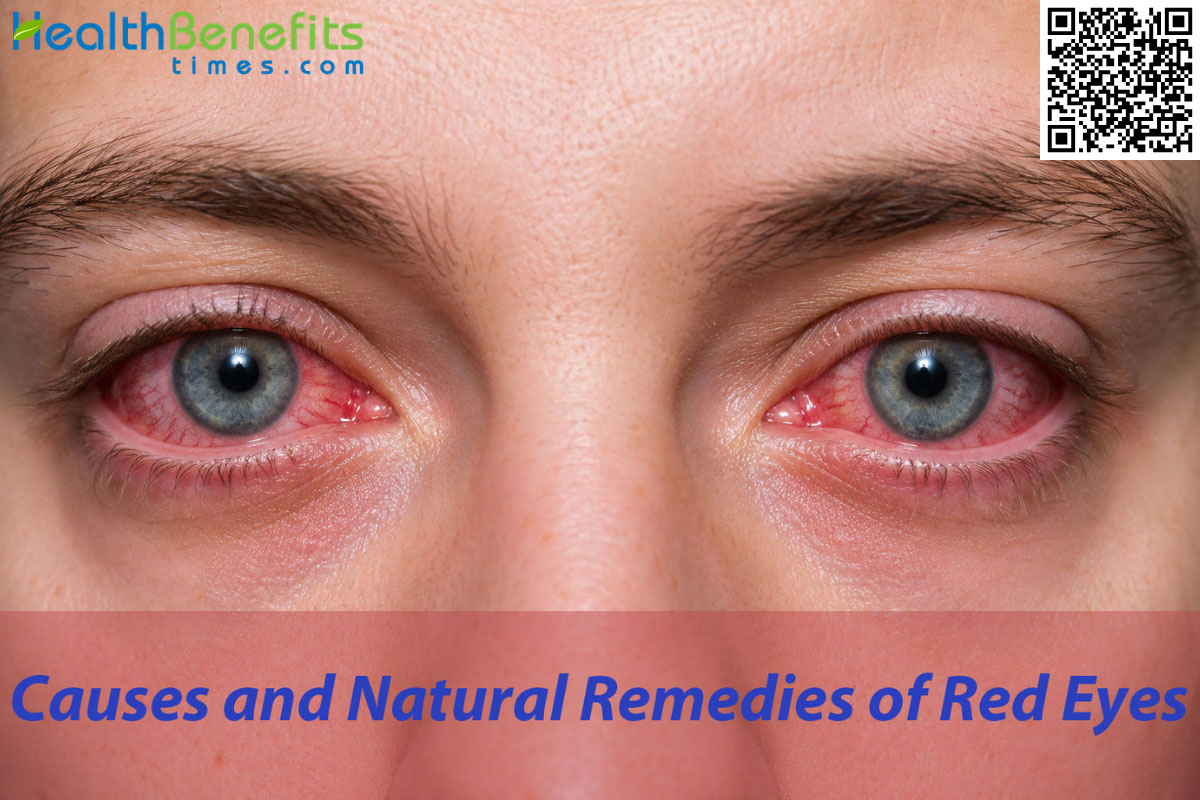
Causes and Natural Remedies of Red Eyes
1. Viral Infections
Highly contagious adenoviruses frequently trigger intense redness, often manifesting alongside a common cold, flu, or upper respiratory infection 3.
Remedies:
For viral conjunctivitis, your primary goal is symptomatic relief while your immune system clears the virus. You can apply cold compresses to your closed eyelids several times a day to induce local vasoconstriction, which visibly reduces redness and soothes the characteristic burning sensation 4. Over-the-counter artificial tears can also help dilute and flush away viral particles.
2. Bacterial Infections
Certain bacterial strains provoke pronounced vasodilation and thick discharge, a presentation that is significantly more common in pediatric populations and frequently occurs concurrently with an ear infection 5.
Remedies:
While persistent bacterial infections require a medical evaluation for antibiotics, you can support ocular hygiene at home by using warm, moist compresses. Pressing a clean, warm cloth against the eye helps gently loosen and clear away the thick, purulent discharge that crusts along your lash line, reducing bacterial load and promoting comfort 6.
3. Allergic Reactions
Airborne particles such as pollen, pet dander, mold spores, and dust mites provoke an immediate immune response, releasing histamine that rapidly dilates the ocular blood vessels 7.
Remedies
To combat allergic flares, you must minimize your localized histamine response. Flushing your eyes with sterile, preservative-free saline drops physically washes away the offending pollen or pet dander, while applying a chilled compress helps shrink dilated blood vessels and halts the intense itching cycle 8.
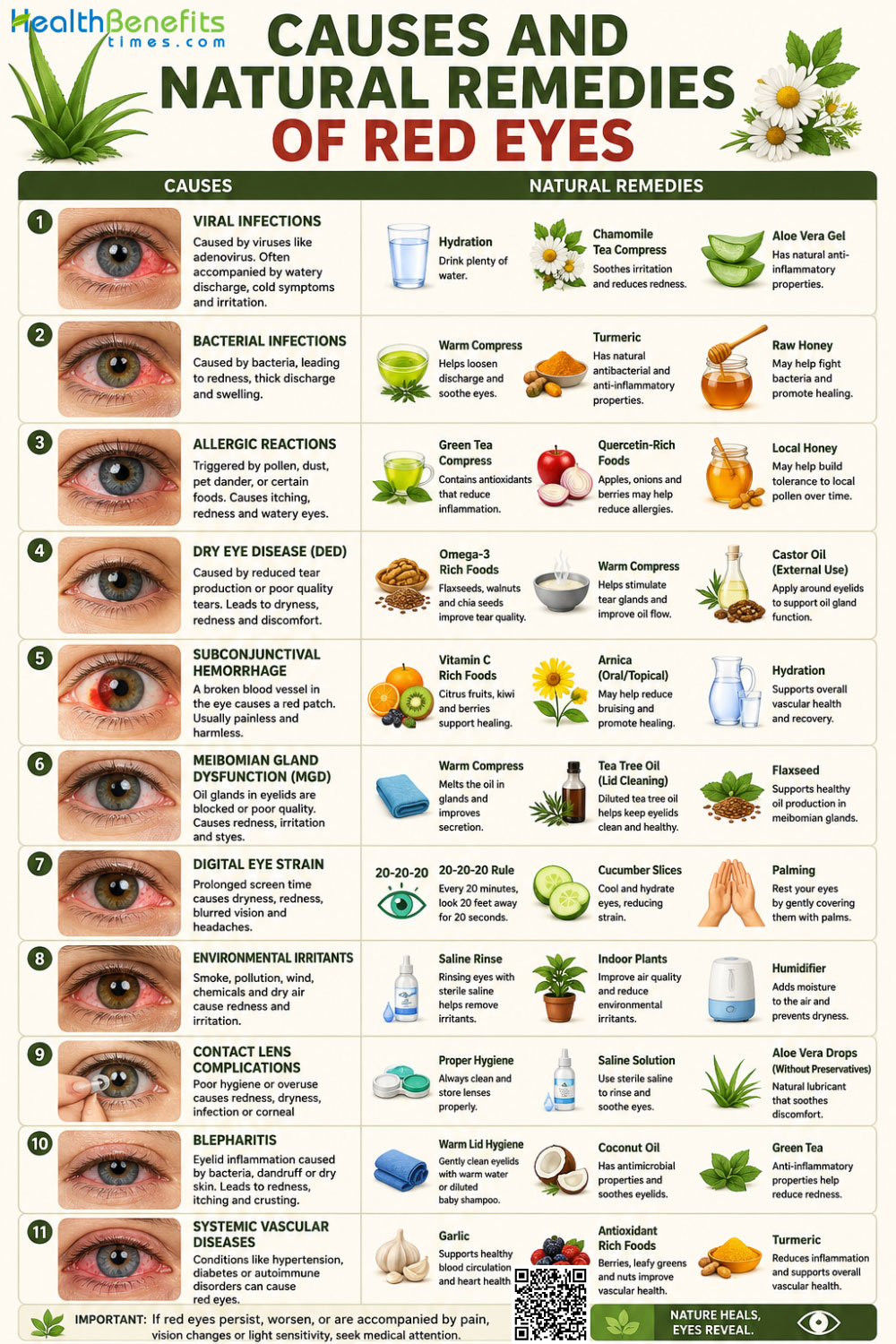
4. Dry Eye Disease (DED)
A chronic loss of tear film homeostasis, driven by either inadequate aqueous tear production or rapid tear evaporation, creates a highly pro-inflammatory environment on the ocular surface 9.
Remedies:
Managing chronic dry eye requires you to rebuild the tear film from the inside out. Incorporating high-quality Omega-3 fatty acids, such as those found in fish oil or flaxseed, into your daily routine helps reduce systemic inflammation and provides the building blocks for healthy tear production 10. Additionally, running a cool-mist humidifier in your bedroom prevents overnight tear evaporation.
5. Subconjunctival Hemorrhage
A sudden, sharp spike in venous pressure often resulting from violent coughing, sneezing, vomiting, or heavy lifting can rupture fragile capillaries, leaking bright red blood into the space between the conjunctiva and the sclera 11.
Remedies:
A broken blood vessel on the eye looks severe, but it is typically a harmless, self-limiting event that requires you to simply wait for the blood to reabsorb, much like a bruise. You can use artificial tears to ease any mild surface scratchiness, but you should avoid rubbing the eye or taking non-steroidal anti-inflammatory drugs (NSAIDs) like aspirin, which can thin the blood and prolong bleeding 12.
6. Meibomian Gland Dysfunction (MGD)
Physical blockages in the specialized oil glands located along the eyelid margins prevent the secretion of meibum, a crucial lipid that stops natural tears from evaporating too quickly 13.
Remedies:
When your lipid glands are blocked, you must apply localized heat to liquefy the stagnant, hardened oils. Applying a warm compress heated to around 40°C for at least ten minutes, followed by gentle, rolling finger massages along your lid margins, effectively expresses the trapped meibum directly into your tear film 14.
7. Digital Eye Strain
Prolonged viewing of computer screens, tablets, and smartphones drastically reduces the human blink rate, physically desiccating the cornea and leading to prominent surface inflammation 15.
Remedies:
To counteract the desiccating effects of screen time, you should rigorously implement the 20-20-20 rule into your daily workflow. Every 20 minutes, force yourself to look at an object 20 feet away for at least 20 seconds; this action relaxes your ciliary muscles and naturally restores your baseline blink rate, instantly rehydrating the cornea 16.
8. Environmental Irritants
Direct exposure to airborne pollutants, chemical fumes, cigarette smoke, or the chlorine found in swimming pools actively strips the eye of its natural moisture and causes immediate chemical irritation 17.
Remedies:
When exposed to smoke, airborne pollutants, or chemical fumes, your immediate home remedy is aggressive irrigation. Use a sterile saline wash or generous amounts of artificial tears to continuously flush the ocular surface, physically diluting and removing the chemical irritants before they can trigger deeper cellular inflammation 18.
9. Contact Lens Complications
Improper hygiene, extended wear times, or poorly fitting lenses induce mechanical friction against the eye and limit essential oxygen transmission to the cornea, prompting reactive redness 19.
Remedies:
The moment you experience redness or discomfort from lens wear, you must initiate a “contact lens holiday.” Remove the lenses immediately to allow the oxygen-starved cornea to breathe and heal. During this recovery window, rely exclusively on your glasses and apply preservative-free lubricating drops to soothe mechanical micro-abrasions on the ocular surface 19.
10. Blepharitis
Chronic, low-grade inflammation of the eyelids, sometimes exacerbated by bacterial overgrowth or Demodex mites, leads to swollen margins and secondary conjunctival redness 20.
Remedies:
Controlling eyelid margin inflammation requires diligent, daily hygiene. You can create a gentle eyelid scrub by diluting a single drop of baby shampoo in warm water, using a clean cotton swab to meticulously wipe away the bacterial biofilm and scaly debris clinging to your eyelash roots 21. For stubborn cases involving Demodex mites, applying diluted tea tree oil offers highly targeted relief.
11. Systemic Vascular Diseases
Advancing age, systemic hypertension, diabetes, and arteriosclerosis gradually increase the structural fragility of all ocular blood vessels, predisposing individuals to recurrent episodes of redness 22.
Remedies:
Recurrent redness tied to vascular fragility means you must focus your home care on whole-body health rather than topical eye treatments. Managing your blood pressure through dietary sodium reduction, maintaining strict glycemic control if you are diabetic, and engaging in regular cardiovascular exercise will inherently protect and strengthen the delicate capillary beds within your eyes 23.
Foods to Avoid When You Suffer from Red Eyes
- High-Sodium Diets: Consuming excessive amounts of dietary salt forces your entire body to retain water, a physiological response that leads directly to pronounced swelling and puffiness in the highly delicate tissues surrounding your eyes.
- Imbalanced Omega-6 Fatty Acids: While some omega-6 is biologically necessary, consuming it in massive excess through processed seed oils, corn oil, and deep-fried foods without balancing it with adequate omega-3s heavily promotes systemic inflammatory pathways that can actively exacerbate existing ocular surface disease 24.
- Fried and Highly Processed Foods: These convenient food items introduce extraordinarily high levels of volatile free radicals into your bloodstream. Without adequate nutritional antioxidants to neutralize them, these molecules damage the fragile cellular structures of the eye and impede normal tissue repair mechanisms 25.
- Dehydrating Beverages: Excessive alcohol consumption and heavy caffeine intake act as systemic diuretics, rapidly stripping your body of essential hydration and subsequently reducing the vital aqueous volume of your natural tear film.
Activities to Avoid When You Suffer from Red Eyes
- Aggressive Eye Rubbing: Vigorously rubbing your itchy eyes introduces harsh bacteria from your hands directly to your vulnerable conjunctiva. Furthermore, the sheer mechanical trauma can easily rupture superficial capillaries, causing a highly visible subconjunctival hemorrhage 22.
- Prolonged Uninterrupted Screen Time: Consistently bypassing ergonomic breaks guarantees a drastically reduced blink rate, ensuring that your corneas remain desiccated, visually fatigued, and inflamed for hours on end 26.
- Smoking and Secondhand Smoke: Tobacco smoke is a potent, dangerous environmental irritant loaded with chemical toxins. It immediately destabilizes your delicate tear film, produces cellular free radicals, and significantly heightens your daily risk of both severe dry eye and chronic allergic reactions 27.
- Sleeping in Contact Lenses: Unless strictly prescribed by a physician, leaving cosmetic or corrective lenses in overnight starves your cornea of essential atmospheric oxygen, heavily increasing your risk of sight-threatening corneal ulcers and severe bacterial infections 28.
- Direct Airflow to the Face: Positioning car air conditioning vents, desk fans, or indoor heating registers directly at your face drastically accelerates the immediate evaporation of your protective tear film, leaving the eyes dry and bloodshot 29.
Myths and Misconceptions
| Myth | Reality |
| Over-the-counter redness relief eye drops can permanently cure the underlying eye problem. | Traditional decongestant drops (such as tetrahydrozoline) merely constrict blood vessels temporarily. They do not treat the root cause of the redness and can actually worsen the condition over time by causing dependency. |
| Warm tea bags are medically superior to warm washcloths for treating eye infections. | There is zero clinical or scientific evidence that using a steeped tea bag offers better antimicrobial or therapeutic benefits than a simple, clean washcloth or a dedicated microwavable heat mask. |
| A bright red spot of blood on the white of the eye is a medical emergency indicating severe visual damage. | While a subconjunctival hemorrhage looks highly alarming in the mirror, it is typically a completely harmless, painless broken blood vessel that spontaneously heals on its own within one to two weeks without any required therapy. |
| Swallowing fish oil capsules will instantly and universally cure all dry eye syndrome symptoms. | Comprehensive clinical trials show that commercial fish oil supplements are largely unstandardized in quality and do not universally improve dry eye symptoms when taken in isolation by all patients. |
| Having a red eye always means that you have contracted a highly contagious bacterial infection. | Ocular redness is exceptionally common and is frequently caused by non-infectious, benign factors such as seasonal allergies, digital eye strain, systemic fatigue, and environmental irritants like dust or wind. |
Special Considerations
Different stages of life and coexisting systemic medical conditions dramatically alter how red eyes present physiologically and how they must be managed clinically by health professionals.
1. Children
Infants and young children are uniquely vulnerable to specific, highly aggressive ocular pathogens. Neonatal conjunctivitis is a potentially urgent condition that occurs when newborns are exposed to infections, chemical irritations, or blocked tear ducts immediately after birth 35. Because a newborn’s conjunctiva and cornea are highly permeable, sexually transmitted bacteria like Chlamydia and Neisseria gonorrhoeae passed silently from the mother during delivery can cause devastating, sight-threatening infections if they are not aggressively treated with antibiotics 36. Symptoms typically manifest as severely puffy eyelids and thick, heavy pus. Conversely, a congenital blocked tear duct (nasolacrimal duct obstruction) may cause chronic daily tearing and mild redness but is generally a benign condition, resolving spontaneously or with gentle, targeted massage by the first year of life 37. Older, school-aged children frequently contract highly contagious bacterial and viral pink eye in crowded classroom settings, requiring strict, consistent hand hygiene to prevent massive outbreaks among peers.
2. Pregnancy
The profound hormonal, metabolic, and immunological shifts experienced during human pregnancy profoundly destabilize the fragile ocular surface. Elevated estrogen and progesterone levels directly alter the expression of lacrimal gland growth factors and can competitively antagonize beneficial androgens, leading to severe evaporative dry eye and sudden contact lens intolerance in many expectant mothers 38. Surveys utilizing the Standard Patient Evaluation of Eye Dryness (SPEED) questionnaire reveal a high prevalence of dry eye-related symptoms among pregnant women, with symptom severity often correlating closely with advancing gestational age 39. Furthermore, systemic water retention naturally thickens the cornea and can cause facial puffiness that physically restricts peripheral vision 40. Pregnant individuals are also at risk for deeper vascular changes; conditions like preeclampsia and hypercoagulable states can lead to more serious retinal issues, while gestational diabetes necessitates frequent, dilated monitoring for diabetic retinopathy 41.
3. Elderly
As the human body ages, systemic vascular diseases such as arteriosclerosis, essential hypertension, and diabetes cause the structural walls of the blood vessels to become increasingly stiff and fragile 11. Consequently, elderly patients are highly susceptible to sudden, spontaneous subconjunctival hemorrhages resulting from minor, everyday events like sneezing, bending over, or straining. Additionally, natural tear production drops precipitously with advancing age, making chronic dry eye disease a near-ubiquitous complaint among older populations that requires continuous, daily management with heavy, specialized lubricants and thermal eyelid devices 42.
4. Chronic Conditions
Systemic autoimmune and complex metabolic disorders frequently manifest visibly in the tissues of the eyes. Conditions such as thyroid eye disease (Graves’ disease) can cause severe unilateral or bilateral proptosis (physical bulging of the eye), lid lag, and intense, chronic conjunctival hyperemia due to localized orbital inflammation. Diabetic patients often suffer from poor corneal nerve sensitivity, a dangerous complication that actively masks the early warning signs of surface damage and severe dryness. Individuals living with rheumatoid arthritis or lupus frequently experience secondary Sjögren’s syndrome, a highly destructive autoimmune condition characterized by a severe, unrelenting lack of aqueous tear production that leaves the eyes chronically red and deeply irritated 43.
Precaution before use of natural remedies when you have Red Eyes
Before you attempt to self-manage your ocular discomfort at home, you must ensure that your chosen interventions do not inadvertently cause further structural or physiological harm to your eyes.
1. Beware of Rebound Redness
Utilizing over-the-counter decongestant drops containing alpha-1 adrenergic agonists (like tetrahydrozoline or naphazoline) physically cuts off vital oxygen to the ocular tissues 9. When you finally stop using them, the starved blood vessels dilate massively to compensate, creating a frustrating dependency cycle known medically as tachyphylaxis or rebound hyperemia 44.
2. Sterility is Paramount
You must never use plain tap water to rinse your contact lenses or to create homemade eye drop solutions. Tap water naturally harbors Acanthamoeba and other microscopic parasites that can cause catastrophic, blinding corneal infections if trapped against the eye 45.
3. Check for Preservatives
If you find that you require artificial tears more than four times a single day to find relief, you should strictly switch to preservative-free formulations. Chemical preservatives like benzalkonium chloride (BAK) actively induce cellular toxicity and a condition known as chemical conjunctivitis with prolonged, repeated use 46.
4. Monitor Temperature Safely
When utilizing microwavable heating masks for meibomian gland dysfunction, you should always test the heat on the inside of your wrist first. The skin covering the human eyelid is exceptionally thin, and excessive thermal application can quickly cause localized, painful burns 47.
5. Avoid Shared Items
Because viral and bacterial forms of pink eye are exceptionally contagious and survive on surfaces, you must never share pillowcases, washcloths, bathroom towels, or cosmetic brushes with others in your household. Wash your hands thoroughly with soap and warm water before and after applying any warm or cold compress to your face 48.
When to see Doctor
While most minor cases of redness will eventually resolve with conservative home care, certain physiological presentations indicate deeper, potentially vision-threatening pathologies that demand immediate, in-person ophthalmological evaluation.
- Changes in Visual Acuity: You should seek urgent care if you experience sudden blurriness, noticeable cloudiness, or a sudden drop in your ability to see clearly that does not resolve with a simple blink or a lubricating eye drop.
- Presence of True Pain: Deep ocular pain, severe aching, or extreme tenderness in or around the globe of the eye is never a normal symptom and differentiates highly dangerous conditions from simple, benign surface irritation 49.
- Severe Light Sensitivity: An intense, physically painful aversion to normal ambient light (photophobia) often signals much deeper intraocular inflammation, such as uveitis, an iritis flare-up, or a dangerous open corneal ulcer.
- Thick Purulent Discharge: Eyes that are continuously seeping or heavily encrusted with thick yellow, brown, or dark green mucus strongly indicate a severe bacterial infection that will likely require prescription antibiotic eye drops to fully resolve.
- Trauma or Direct Injury: Any prominent redness following a blunt facial impact, a chemical splash, or a penetrating injury must be immediately evaluated by a doctor to rule out a retrobulbar hematoma, a globe rupture, or a hyphema, which is active bleeding inside the front chamber of the eye 50.
- Lack of Improvement: If the visible redness, local swelling, or physical discomfort persists for more than a full week despite your diligent, daily application of home remedies and hygiene protocols, you should undergo a comprehensive professional exam to uncover the root cause 51.
Comments
comments