

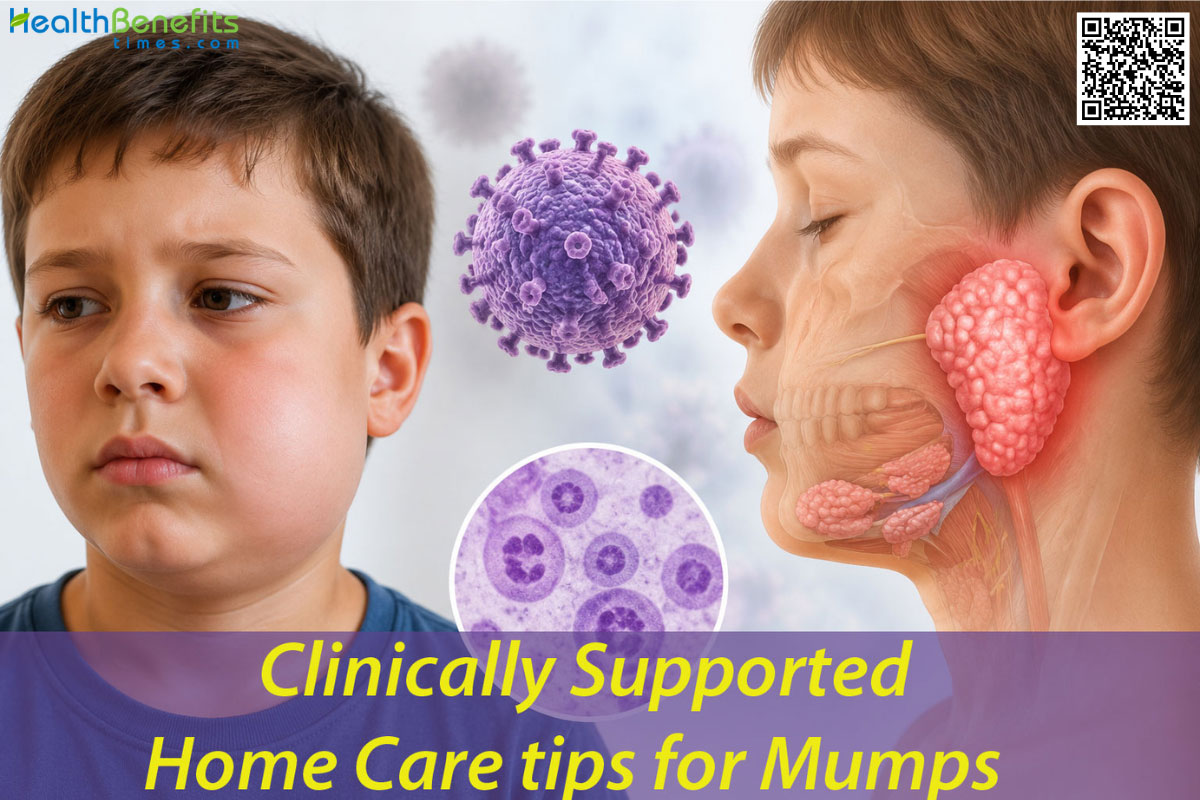
Few infections have had their story change as dramatically as mumps. Once a near-universal part of childhood, it’s now largely preventable though not entirely gone. Mumps is a contagious viral infection that targets the salivary glands, the glands responsible for producing saliva 1. When the virus takes hold, it causes a tell-tale swelling on the sides of the face and under the jaw painful, puffy, and hard to miss. Most people recover on their own within a couple of weeks, though the virus can occasionally spread to other parts of the body and cause more serious problems. Widespread vaccination changed the picture significantly. Case numbers fell sharply over the past several decades. Even so, outbreaks still happen particularly in close-contact settings like university dormitories and sports camps 2. Understanding how mumps spreads and what it looks like is still worth knowing, both for your own health and to protect the people around you.
Causes of Mumps
Discovering how this illness spreads is crucial for protecting your household. The infection is entirely driven by a specific type of virus known as a paramyxovirus. It loves to multiply inside the human respiratory tract and travels easily from person to person.
1. Airborne Respiratory Droplets
Whenever an infected person coughs, sneezes, or even talks loudly, they release microscopic drops of moisture filled with the virus into the air. Anyone standing close enough can easily breathe these droplets in 3.
2. Direct Saliva Contact
Sharing personal items that touch the mouth is a guaranteed way to pass the virus. This includes taking a sip from someone else’s water bottle, sharing eating utensils, taking a bite of someone’s food, or kissing 4.
3. Contaminated Everyday Surfaces
Sometimes, an infected individual might wipe their nose or touch their mouth, and then touch a doorknob, desk, or shared toy. The virus can survive on these surfaces long enough for another person to touch the object and then touch their own face, transferring the germ to their respiratory system.
4. Silent Transmission
One of the trickiest parts about this virus is that it can spread before anyone even knows they are sick. People are highly contagious for a few days before their cheeks ever start to swell, meaning they might go to work or school and accidentally infect others without realizing it 5.
Symptoms of Mumps
Recognizing the signs early makes a huge difference in how quickly you can start making the patient comfortable. The symptoms usually do not show up immediately; it often takes about two to three weeks after being exposed to the virus for the person to actually feel sick.
1. Mild Fever
Often the first clue that the body is fighting off an invader, a low-grade fever might appear a few days before any visible swelling 6.
2. Headaches and Muscle Aches
Patients frequently complain of a dull, throbbing headache and a general feeling of body aches, very similar to the early stages of the flu.
3. Profound Tiredness
A sweeping sense of exhaustion and lack of energy will usually prompt the patient to stay in bed, along with a noticeable loss of appetite.
4. Classic Jaw Swelling (Parotitis)
This is the trademark sign of the illness. One or both of the large salivary glands located between the ear and the jaw will puff up significantly, making the cheeks look very swollen and pushing the earlobes slightly upward 7.
5. Pain When Chewing
Because the swollen glands are right next to the jaw muscles, eating, talking, or swallowing becomes incredibly sore and tender 8.
Mumps Facts Table
It is always helpful to have a quick reference guide when dealing with a health concern. The table below breaks down the most critical facts about the disease in a simple, easy-to-read format.
| Fact Category | Details |
| Symptoms |
|
| Causes |
|
| Types of Mumps |
|
| How does spread |
|
| Age Group |
|
| You might be at a higher risk for exposure of this disease if you: |
|
| How doctors diagnose |
|
| Other facts |
|
Clinically Supported Home Care tips for Mumps
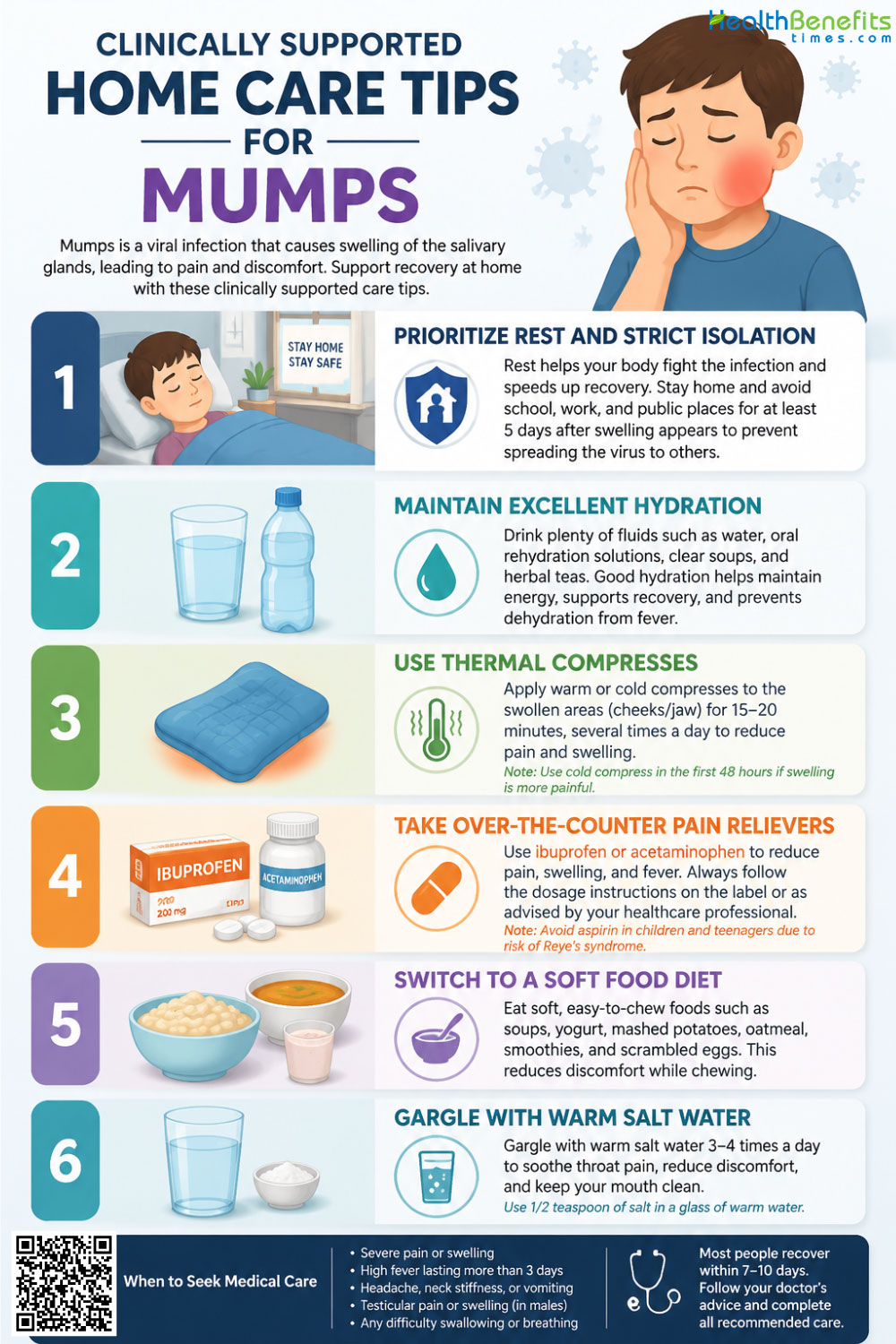
Because this illness is caused by a virus, prescription antibiotics will not work to cure it. The best way to help your body heal is by focusing on supportive care. This means managing your symptoms and keeping yourself comfortable while your immune system naturally fights off the infection.
1. Prioritize Rest and Strict Isolation
Taking a pause from your normal routine is absolutely essential. You should stay home from school, work, or social events for at least five days after your jaw first starts to swell. Getting plenty of bed rest allows your body to dedicate all of its available energy to fighting the viral invaders. Furthermore, avoiding physical activity helps keep your heart rate steady, which can lower the risk of the virus traveling to other parts of your body and causing complications 14.
Note: Rest is used to physically lower your body’s metabolic demand, reserving energy for immune defense, while isolation provides the critical epidemiological benefit of stopping the virus from infecting your community.
2. Maintain Excellent Hydration
Drinking enough fluids might feel difficult when your jaw is sore, but it is one of the most important things you can do. You should take frequent, small sips of water, clear broths, or diluted apple juice throughout the day. When you run a fever, your body sweats and loses water much faster than normal. Replacing those fluids prevents dehydration and helps thin out the thick mucus in your throat, making it easier to breathe and swallow 8.
Note: Oral hydration is applied medicinally to regulate your core body temperature during a fever and to help your kidneys efficiently flush out cellular waste products created by the viral battle.
3. Use Thermal Compresses
Dealing with the intense, aching pain in your cheeks requires some gentle physical therapy. You can apply either a warm, moist washcloth or a cold ice pack wrapped in a thin towel directly to your swollen salivary glands for 10 to 20 minutes at a time. Cold packs are great for numbing sharp pain, while warm cloths can help relax the stiff, achy muscles around your jaw 15. Use whichever temperature feels best for your personal comfort.
Note: Thermal compresses are a safe, non-drug method applied to manipulate blood flow under the skin, which mechanically reduces severe tissue swelling and soothes irritated nerve endings for fast remedial relief.
4. Take Over-the-Counter Pain Relievers
You do not have to just grit your teeth and suffer through the aches and fevers. You can safely use over-the-counter medicines like ibuprofen or acetaminophen to bring down your temperature and ease your muscle soreness 16. Always make sure to read the package instructions to ensure you are taking the correct dose for your age and weight. Just remember, you must never give aspirin to a child or teenager with a viral illness, as it can cause a rare but very dangerous liver condition.
Note: Over-the-counter analgesics are commonly used for their powerful medicinal benefits in blocking the pain-signaling chemicals in your brain and effectively resetting your body’s internal thermostat.
5. Switch to a Soft Food Diet
Every time you chew a piece of food, you are flexing the muscles right next to your inflamed salivary glands. To give your jaw a break, you should temporarily switch to a diet made entirely of soft, mushy foods. Try eating mashed potatoes, oatmeal, scrambled eggs, smooth soups, and yogurt 17. These foods slide down easily and require almost no chewing, ensuring you still get the calories and nutrients you need to heal without causing yourself unnecessary agony.
Note: A soft food diet is applied to mechanically bypass the stress placed on your inflamed jaw joints, providing a remedial benefit by allowing the damaged salivary tissues to rest completely.
6. Gargle with Warm Salt Water
A scratchy, sore throat often accompanies the swollen glands. You can mix half a teaspoon of regular table salt into a glass of warm water to create a soothing mouthwash. Take a mouthful, tip your head back, and gently gargle the liquid for a few seconds before spitting it out. You can do this several times a day. It helps clear out any sticky mucus caught in the back of your throat 18.
Note: Saltwater gargles are commonly applied for their osmotic benefits; the salt naturally draws excess fluid out of your swollen throat tissues, noticeably reducing swelling and offering temporary pain relief.
Foods and Activities to Avoid When You suffer from Mumps
Navigating your recovery means knowing what to stay away from just as much as knowing what to do. Certain everyday habits can accidentally make your symptoms much worse.
1. Avoid Acidic Foods and Drinks
You must stay completely away from anything sour or citrus-flavored. This includes orange juice, lemonade, grapefruit, pickles, and anything made with vinegar. Sour flavors naturally trigger your salivary glands to squirt out saliva. Because your glands are currently swollen and blocked, this sudden rush of saliva has nowhere to go, resulting in a sharp, blinding pain in your jaw 19.
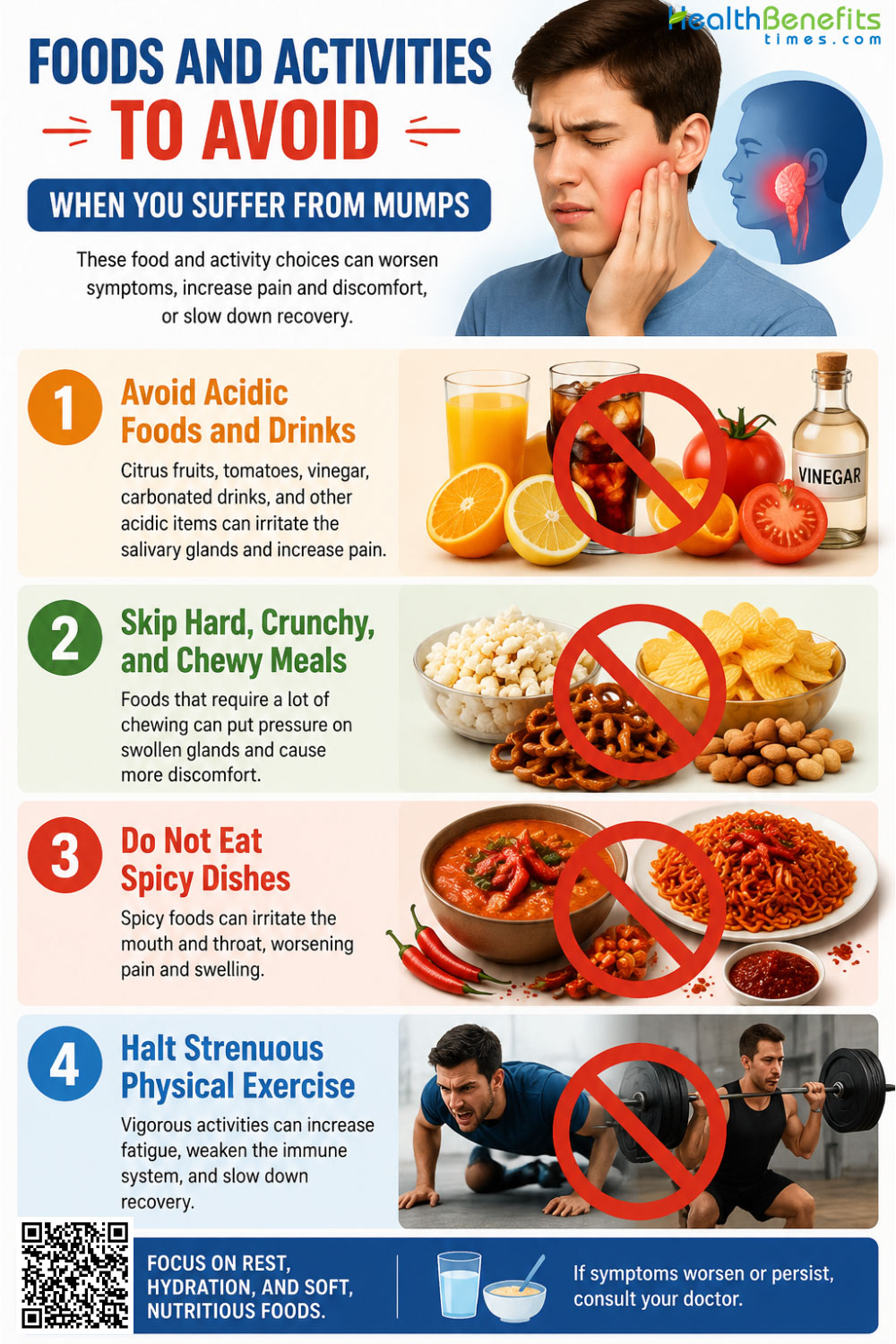
2. Skip Hard, Crunchy, and Chewy Meals
Biting into a tough steak, a raw carrot, or a piece of crusty bread requires intense jaw power. The constant grinding and chewing motion will deeply aggravate your inflamed parotid glands. Keep hard foods off your plate until the swelling goes away completely 20.
3. Do Not Eat Spicy Dishes
Hot peppers and intense spices can irritate the tender lining of your mouth and throat. Spicy foods also act as mild salivary stimulants, posing the exact same risk of painful gland engorgement as sour foods.
4. Halt Strenuous Physical Exercise
Now is not the time to hit the gym, go for a run, or play team sports. Elevating your heart rate and exhausting your body can lower your immune defenses, making it easier for the virus to travel to your brain or reproductive organs and cause serious complications.
Myths and Misconceptions
Misinformation about viral illnesses can be confusing and dangerous. Let’s clear up some of the most common falsehoods you might hear about the disease.
| Myth | Reality |
| “This is just a harmless, normal childhood disease.”
21. |
While it is true that many people recover smoothly, the virus is not harmless. It carries a very real risk of causing severe complications, including viral meningitis, permanent deafness, and excruciating inflammation of the testicles or ovaries. It is a full-body infection, not merely a swollen jaw |
| “Catching the wild virus to get natural immunity is safer than getting the vaccine.”
22. |
Allowing your body to fight the wild virus “naturally” exposes you to the full, unpredictable risk of hospitalization, brain swelling, and potential sterility. The vaccine safely trains your immune system to recognize the virus without subjecting your body to these dangerous, potentially life-altering risks |
| “Vaccines are full of harmful, toxic ingredients.”
23. |
Vaccines contain only the specific ingredients necessary to make them safe and effective. Any substance can be harmful in massive doses, even water. The tiny amounts of preservatives used in vaccines are far lower than the amounts we are naturally exposed to in our daily environment, and rigorous global studies consistently prove their safety |
Special Considerations
Different people experience viral infections in entirely different ways based on their age and health background. It is vital to adjust your care strategies to match the specific vulnerabilities of the patient.
1. Children
When young kids catch this bug, the illness is generally a bit milder than it is for grown-ups, but they still require careful, constant observation. Children are incredibly susceptible to severe dehydration because their jaw pain often makes them refuse to drink anything. You must persistently offer them tiny sips of water or ice pops. Furthermore, kids can sometimes spike very high fevers that may trigger febrile seizures. Because little ones cannot always explain exactly where they hurt, you need to watch their behavior closely. If a child becomes unusually sleepy, refuses to wake up, or cries constantly, it could be a sign that the virus has spread to their nervous system 24.
2. Pregnancy
Expecting mothers naturally worry when exposed to any contagious illness. Thankfully, contracting this specific virus during pregnancy has never been definitively linked to causing birth defects in the baby. However, if a pregnant woman catches the infection during her first twelve weeks of pregnancy, there is a slightly elevated risk of suffering a spontaneous miscarriage 25. Any pregnant person exposed to the illness should contact their obstetrician immediately. It is especially important to manage maternal fevers safely, as a high body temperature alone can be stressful on fetal development.
3. Chronic Conditions
Living with a pre-existing medical issue changes the rules of recovery entirely. Individuals who suffer from chronic kidney disease, heart conditions, or a weakened immune system (due to medications, cancer treatments, or illnesses like HIV) face a significantly higher risk of severe, life-threatening complications. In these vulnerable patients, the virus can spread unchecked, potentially causing fatal interstitial nephritis (severe kidney inflammation) or myocarditis (heart muscle inflammation) 26. Standard home care is not enough for this group; they require immediate professional medical oversight to monitor their organ function.
4. Elderly
It is somewhat rare for senior citizens to catch this illness today, as most acquired natural immunity by living through the massive outbreaks that occurred before vaccines were invented. However, when an older adult does get infected, the disease hits them much harder. Advanced age is directly tied to a higher chance of developing severe systemic issues, like inflammation of the brain or pancreas. Older adults also tend to have other age-related health conditions that make it difficult for their bodies to tolerate long periods of fever, muscle wasting, and poor dietary intake 27. Extra caution and a low threshold for going to the hospital are necessary for the elderly.
Precaution before use of natural remedies when you have Mumps
While it is tempting to try everything possible to feel better, you must be extremely careful with alternative or natural remedies. Relying on unverified treatments can sometimes do more harm than good.
1. Avoid Applying Pastes or Inks to the Skin
Some traditional folk remedies suggest painting the swollen cheeks with ink or applying thick herbal pastes and raw plant leaves directly to the jaw. You should never do this. These practices offer zero medical benefit against a virus and can actually cause severe chemical burns on your skin. Worse, they can create a perfect breeding ground for bacteria, leading to a secondary skin infection on top of your viral illness 28.
2. Do Not Rely Solely on Herbal Medicines
While certain herbs have been used in traditional medicine for centuries, rigorous scientific studies have found no concrete proof that any Chinese medicinal herbs or local plant extracts can cure or shorten the duration of this specific virus 29. Depending exclusively on unproven herbs can delay you from noticing if you are developing a dangerous complication.
3. Never Use Leftover Antibiotics
You might find old antibiotics in your medicine cabinet and think they will help. They will not. Antibiotics are designed specifically to kill bacteria, but this illness is caused by a virus. Taking unnecessary antibiotics can upset your stomach and contribute to the global problem of drug-resistant superbugs.
4. Talk to a Pharmacist About Supplements
If you plan to take massive doses of natural vitamins or immune-boosting supplements, check with a healthcare professional first. Some natural supplements can interact negatively with the over-the-counter fever medicines you are taking.
When to see Doctor
For the vast majority of people, resting at home is all that is needed to recover fully. However, the virus occasionally takes a dangerous turn. You should head to the clinic or emergency room immediately if you or your loved one experiences any of the following severe warning signs:
1. A Fever That Won’t Break
If your temperature hits 103°F (39°C) or higher and refuses to come down even after taking standard doses of fever-reducing medication.
2. Severe Neurological Symptoms
If you suddenly develop a stiff neck that hurts to bend, a blinding headache, profound confusion, or extreme sensitivity to bright lights. These are massive red flags that the virus may have reached the lining of your brain, causing meningitis 8.
3. Intense Abdominal Pain
Persistent vomiting paired with deep, severe stomach pain could mean the virus has inflamed your pancreas.
4. Severe Testicular Pain
If a teenage boy or adult man experiences sudden, throbbing pain or noticeable lumps in his testicles, he needs prompt medical evaluation to prevent long-term damage 30.
5. Total Inability to Drink
If the pain in your jaw or throat is so severe that you have not been able to drink any fluids for a whole day, you may need intravenous (IV) fluids at the hospital to prevent dangerous dehydration. Always call the clinic before you arrive so they can prepare to isolate you from other patients in the waiting room.
Comments
comments