

How Does laughing relieve Anxiety?
Yes, laughter can be an effective way to ease anxiety. It serves as a natural antidote to stress, offering both mental and physical benefits that help alleviate anxious feelings. Through its ability to reduce stress hormones, boost mood-enhancing endorphins, and promote muscle relaxation, laughter acts as a powerful tool to manage anxiety and foster a sense of calm.
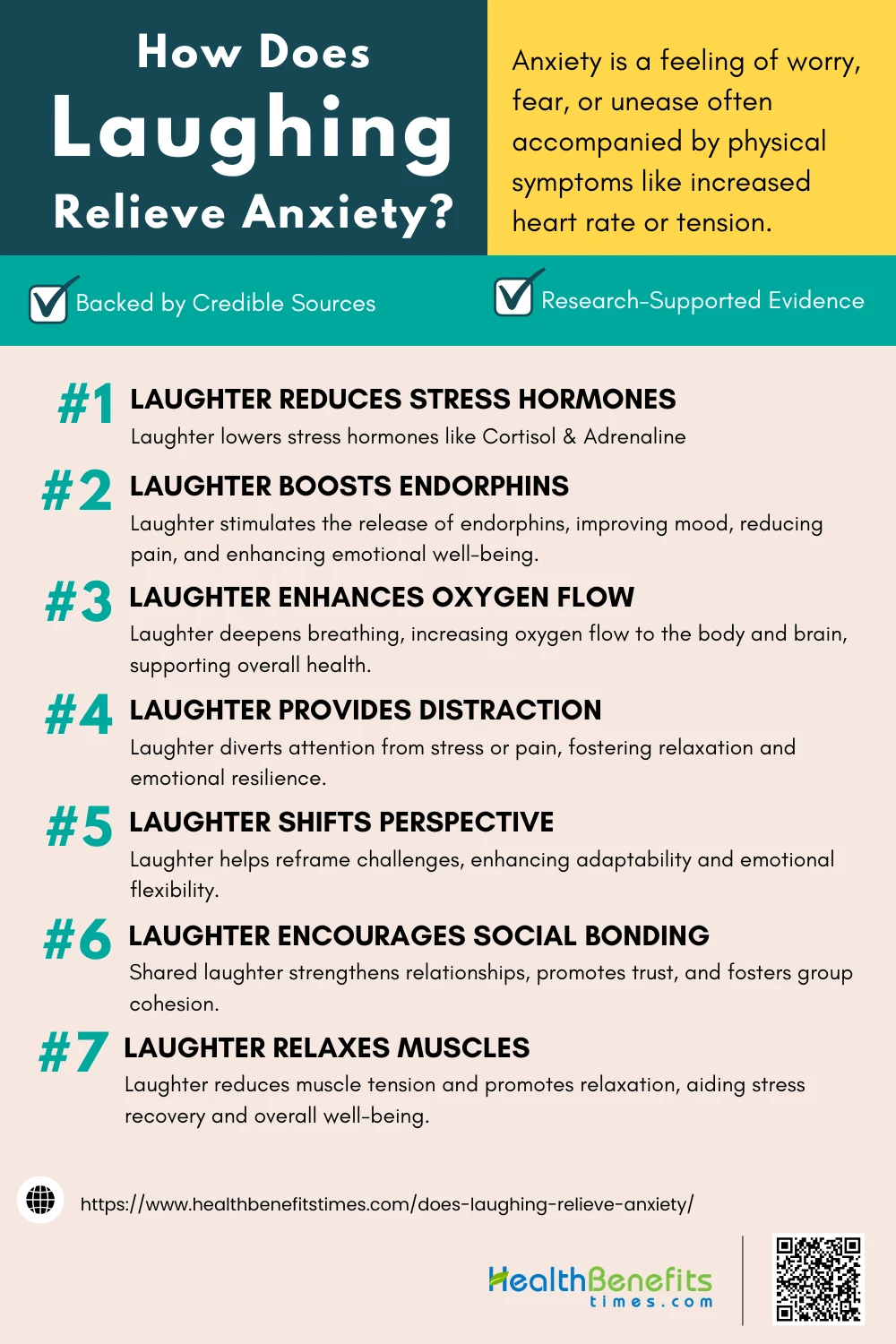
1. Reduces Stress Hormones
Laughter has been scientifically shown to reduce stress hormones, such as cortisol and adrenaline, while simultaneously boosting mood-enhancing hormones like endorphins. This dual action not only alleviates stress but also supports overall mental health. For instance, research demonstrates that humor activates the mesolimbic reward system, which reduces stress responses. 4 Moreover, therapeutic applications of laughter, such as laughter yoga, have been shown to effectively lower cortisol levels in participants, even in controlled trials. 5 Additionally, laughter therapy has been linked to improvements in cardiovascular health, partly by mitigating the effects of stress-related hormones. 6 This evidence underscores the physiological and psychological benefits of laughter, making it a practical, non-invasive intervention for stress reduction.
2. Boosts Endorphins
Laughter has been identified as a powerful mechanism for boosting endorphin levels, the body’s natural “feel-good” chemicals that contribute to emotional and physical well-being. Studies have shown that laughter therapy significantly increases beta-endorphin levels, helping to alleviate pain and improve mood. 7 Furthermore, laughter induces a relaxation response, reducing stress and triggering endorphin release, which has been linked to enhanced immune system function. 42 These effects suggest that even short episodes of laughter can serve as a natural mood enhancer and stress reliever, making laughter a simple yet impactful addition to wellness practices. 9
3. Enhances Oxygen Flow
Laughter has a remarkable ability to enhance oxygen flow throughout the body, contributing to overall physiological well-being. When we laugh, our breathing becomes deeper and more rhythmic, facilitating an increased intake of oxygen. This oxygen-rich blood is then circulated more effectively to vital organs, including the brain, promoting optimal function and reducing stress. 10 Furthermore, research suggests that laughter-induced diaphragmatic movements improve pulmonary ventilation, increasing oxygen saturation in the bloodstream. 11 This process not only energizes the body but also supports cardiovascular health by enhancing vasodilation and improving blood flow. 12 These findings underscore laughter’s significant role in maintaining a healthy and oxygen-efficient system.
4. Provides Distraction
Laughter serves as a powerful tool for distraction, effectively diverting attention from pain, stress, or negative emotions. This phenomenon has been particularly evident in therapeutic settings, where laughter creates a break from distressing stimuli and enhances coping mechanisms. 11 Studies reveal that laughter triggers the brain’s reward pathways, creating a temporary mental shift that fosters relaxation and improves mood. 13 Moreover, humor and laughter therapies have demonstrated efficacy in reducing perceived pain levels by distracting patients from their symptoms. This capacity to reframe stressful experiences highlights laughter’s significant role in emotional resilience and mental well-being.
5. Shifts Perspective
Laughter can profoundly shift perspectives by reframing experiences and fostering emotional resilience. Studies suggest that laughter enhances cognitive flexibility, enabling individuals to approach challenges from alternative viewpoints. 14 It acts as a social lubricant, breaking barriers and easing interpersonal conflicts through shared humorous moments source. Moreover, laughter therapy has been shown to diffuse tension and improve psychological adaptability, particularly in stressful environments. 15 However, cultural nuances and individual differences play significant roles in how laughter is perceived and its effectiveness as a therapeutic tool. 16 As a result, laughter not only enhances mood but also cultivates new perspectives, offering a dynamic way to navigate complex emotional and social landscapes.
6. Encourages Social Bonding
Laughter plays a vital role in fostering social bonding, enhancing group cohesion, and strengthening interpersonal connections. Research indicates that shared laughter can significantly boost the release of endorphins, a process that encourages group synchronization and mutual trust. 17 Additionally, studies demonstrate that laughter serves as a natural social lubricant, promoting positive interactions and reducing conflict in social settings. 18 Furthermore, humor and laughter in team environments have been shown to cultivate a sense of camaraderie and improve collaborative outcomes. 19 However, the effectiveness of laughter in social bonding is also influenced by cultural contexts and individual perceptions of humor, which highlights the need for a nuanced approach to its application in diverse settings. 20 By acting as a bridge for emotional connection and understanding, laughter continues to be a key factor in building and maintaining strong social ties.
7. Relaxes Muscles
Laughter not only elevates mood but also significantly contributes to physical relaxation, particularly by alleviating muscle tension. Studies have shown that the act of laughing causes the muscles involved in laughter to contract, followed by a period of relaxation that can persist for up to 45 minutes. 21 This relaxation effect is complemented by an increase in oxygen intake and improved blood circulation, which further aids muscle recovery and reduces stress-induced tension. 22 Laughter therapy, as explored in various clinical contexts, has proven effective in enhancing physical relaxation and improving overall well-being source. These findings suggest that laughter can be a powerful, natural tool for promoting both mental and muscular relaxation. 23
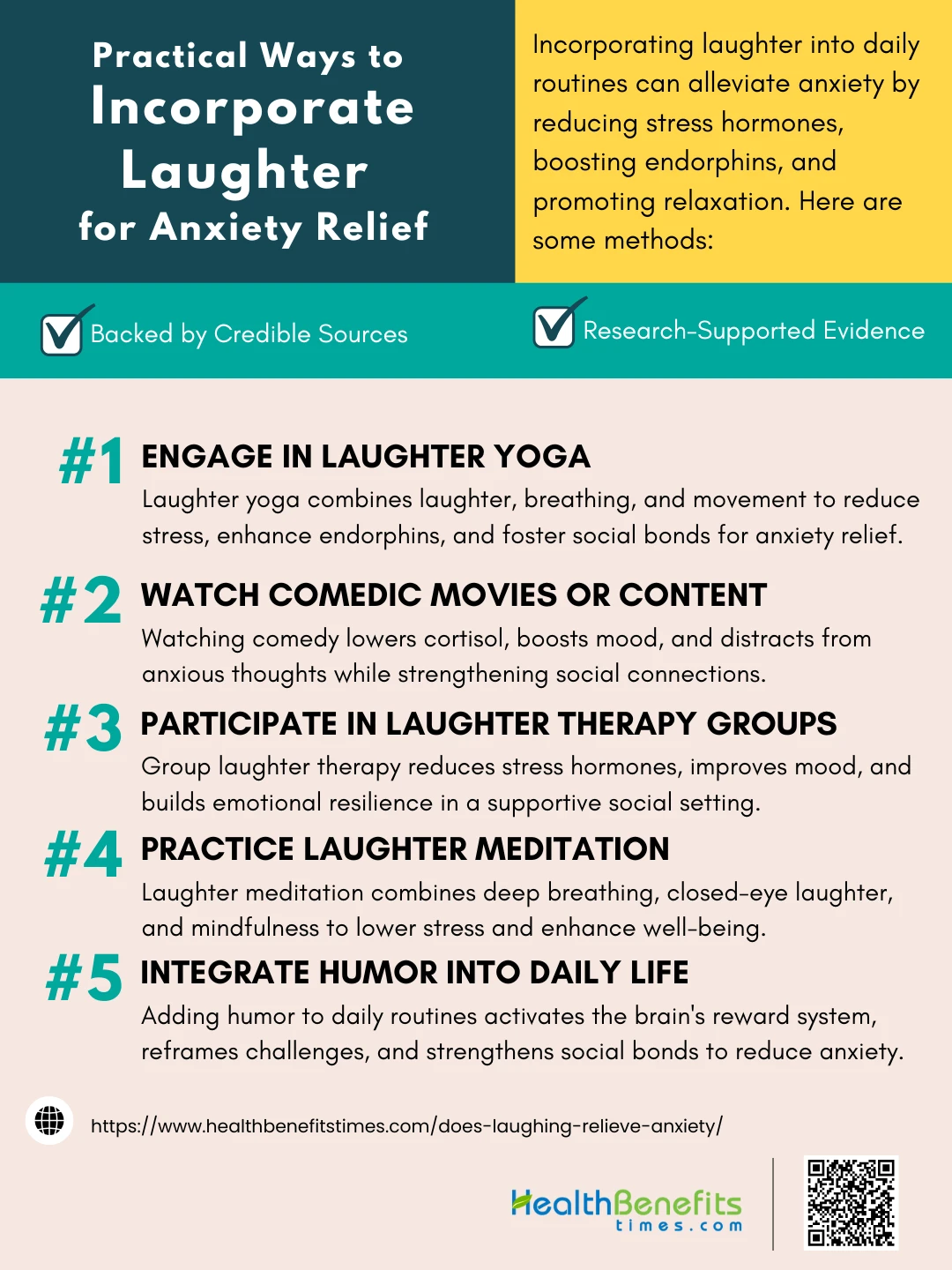
Incorporating laughter into your daily routine can be a powerful tool for alleviating anxiety. Here are some practical strategies to help you harness the benefits of laughter:
1. Engage in Laughter Yoga
Engaging in laughter yoga offers a dynamic approach to alleviating anxiety by combining intentional laughter with breathing exercises and gentle movements. Studies have shown that laughter yoga reduces stress hormones such as cortisol while enhancing the release of endorphins, which contribute to improved mood and relaxation. 24 Furthermore, its group-based structure fosters a sense of community, which can mitigate feelings of isolation and enhance emotional resilience. 25 Research also highlights the positive impact of laughter yoga on sleep quality and anxiety management, particularly among individuals dealing with chronic stressors. 26 By integrating physical, emotional, and social benefits, laughter yoga serves as a holistic and accessible strategy for anxiety relief.
2. Watch Comedic movie or Content
Watching comedy movies or engaging with humorous content is a simple yet effective way to alleviate anxiety by promoting relaxation and emotional well-being. Research demonstrates that viewing comedy films significantly reduces cortisol levels, the primary stress hormone, while enhancing endorphin release, leading to improved mood and reduced anxiety symptoms. 27 Comedy also serves as a distraction mechanism, redirecting focus away from anxious thoughts and creating a positive emotional state. 28 Furthermore, studies indicate that shared laughter from watching comedy can strengthen social bonds, enhancing feelings of support and reducing loneliness often associated with anxiety. 29 These findings highlight the therapeutic value of humor in managing anxiety effectively.
3. Participate in Laughter Therapy Groups
Participating in laughter therapy groups offers a holistic and engaging method for reducing anxiety. These sessions combine intentional laughter with guided breathing and interactive exercises, significantly reducing cortisol levels and promoting relaxation. 25 Group laughter has been shown to enhance social bonding, creating a supportive environment that fosters emotional resilience. 24 Furthermore, studies indicate that such therapies improve mood and mitigate symptoms of stress and anxiety, even in clinical settings. 26 By leveraging the physiological and psychological benefits of laughter, these groups provide an accessible and non-invasive way to enhance mental health.
4. Practice Laughter Meditation
Laughter meditation combines deep breathing, intentional laughter, and mindfulness to help reduce anxiety and promote relaxation. It is slightly different from Laughter Yoga. In Laughter Yoga, participants can laugh with their eyes open or closed. However, in Laughter Meditation, participants are required to laugh with their eyes closed. Research shows that laughter meditation significantly decreases cortisol levels, a primary stress hormone, while enhancing endorphin release, creating a state of emotional and physical well-being. 30 Additionally, the practice encourages participants to engage in unconditional laughter, which improves oxygen flow and fosters a meditative state source. Studies have also highlighted the role of laughter meditation in reducing symptoms of anxiety and depression, especially when integrated into a daily routine. 31 By blending mindfulness techniques with the physiological benefits of laughter, this practice provides a holistic and accessible method to relieve anxiety 32
5. Integrate Humor into Daily Life
Incorporating humor into daily life is a practical and effective strategy for reducing anxiety and improving overall well-being. Research indicates that humor activates the brain’s reward system, releasing endorphins and dopamine, which elevate mood and counteract the effects of stress. 33 Humor also encourages cognitive reframing, helping individuals perceive challenging situations more positively, thereby alleviating anxiety source. (39) {% %} Moreover, shared laughter fosters social connections, providing emotional support and reducing feelings of isolation often linked to anxiety source. By embedding humor into everyday routines, individuals can create a more relaxed and joyful outlook on life 34
While laughter therapy has shown promising results in reducing anxiety and improving psychological well-being, it is not without limitations and considerations. Research highlights that laughter-induced interventions, such as laughter yoga, can significantly alleviate stress and anxiety, but these effects often depend on individual susceptibility and the structured nature of interventions. 35 Studies have pointed out methodological concerns, such as small sample sizes and variability in therapeutic settings, which limit the generalizability of findings. 36 Additionally, while laughter can momentarily elevate mood and increase resilience, it may not address deeper psychological conditions or underlying stressors, as suggested by research on its use in complementary therapies. 37 Furthermore, cultural differences in humor perception and acceptance of laughter therapy can impact its efficacy, requiring context-sensitive implementation. 38 Thus, while laughter therapy holds therapeutic potential, careful consideration of its contextual and methodological limitations is essential for optimizing its benefits.
When to Seek Professional Help
While self-help techniques like laughter can be effective for managing mild anxiety, there are times when professional help is essential. If anxiety becomes overwhelming or interferes with daily life, a mental health professional can provide the support and treatment needed to address deeper issues. 39 Indicators for seeking help include experiencing physical symptoms like:
- Heart palpitations
- Insomnia
- Avoiding activities due to fear,
- Struggling to manage daily responsibilities
- Panic Attacks
- Avoidance of Activities
- Strained Relationships
- Negative Thought Patterns
- Limited Progress with Self-Care. 40
Timely intervention from a mental health professional can provide access to therapies like Cognitive Behavioral Therapy (CBT) or medications that effectively address anxiety and improve quality of life 24 41
Conclusion
In conclusion, laughter is a powerful and accessible tool for managing anxiety, offering both immediate and long-term benefits for mental and physical well-being. By reducing stress hormones, boosting mood-enhancing endorphins, and promoting relaxation, laughter provides a natural and effective way to alleviate anxiety symptoms. However, it’s important to recognize that while laughter can be a helpful strategy, it may not be sufficient for everyone, especially in cases of severe or chronic anxiety. Seeking professional help when necessary ensures a more comprehensive approach to managing anxiety and improving overall mental health. Combining laughter with other therapeutic methods can offer a well-rounded solution for lasting relief and emotional resilience.
Comments
comments