Category: A
-
Acidemia
A decreased pH of the blood (increased hydrogen ion concentration). Condition in which there is an increased concentration of hydrogen ions in the blood and hence the blood is more acid than normal. A condition of abnormally high blood acidity. This may result from an increase in the concentration of acidic substances and/or a decrease…
-
Acholic
Pale or clay-colored. Acholic stool usually results from problems in the biliary system.
-
Achalasia
Failure of the esophagogastric sphincter to relax with swallowing. An obstruction that occurs in the lower esophagus that is thought to be due to a loss of nerve function. The obstruction may be the result of the retention of food in the upper esophagus. Failure to relax, as of a muscle. The condition of being…
-
Ablation
Excision or removal. The removal of an organ or of a part of the body by surgery. Destruction of tissue or function by surgery, electrocautery, or radio frequency. The destruction of a growth or harmful tissue. Ablation may refer to the use of surgical equipment, electrical current, or a laser to destroy tissue. The removal…
-
Abruptio placentae
Detachment of the placenta from the uterus before birth; often results in severe bleeding. An occasion when the placenta suddenly comes away from the uterus earlier than it should, often causing shock and bleeding. A disorder in which the placenta, which provides nourishment to a fetus, separates prematurely from the uterus wall, threatening the pregnancy.…
-
Abduct
Move an arm or leg away from the body. To move away from the midline, adduct. (Of a muscle) to pull a leg or arm in a direction which is away from the centre line of the body, or to pull a toe or finger away from the central line of a leg or arm.…
-
Azotemia
Presence of urea in the blood. An excess of urea or other nitrogenous bodies in the blood. Elevation of urea and other nitrogenous waste products in the blood due to renal failure. Presence of an abnormally high level of nitrogen-bearing materials (e.g., urea) in the blood. Abnormal concentration of urea and nitrogenous substances in the…
-
Atropine
Anticholinergic agent that counteracts effects of parasympathetic stimulation. An alkaloid obtained from atropa belladonna inhibits the action of the craniosacral division of the autonomic nervous system. An alkaloid substance derived from the poisonous plant belladonna and used, among other things, to enlarge the pupil of the eye, to reduce salivary and bronchial secretions during anaesthesia…
-
Atelectasis
In a neonate, the failure of the lung to completely expand at birth; generally, a collapsed lung. The collapse may be complete or partial. A collapse of the alveolar air spaces of the lungs. The failure of a lung to expand properly. Incomplete expansion of all or part of the lung in a newborn or…
-
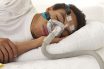
Apnea
Temporary cessation in breathing (occurring during sleep). The cessation of breathing, especially without apparent cause. Sleep apnea is a sleep disorder—specifically, hypersomnia that is associated with apnea, hypoventilation, or both. The disorder causes temporary cessation of breathing that occurs several times a night. Sleep apnea is typically classified as central or obstructive. In central apnea,…