Category: A
-
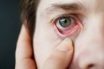
Asthenopia
Weakness or fatigue of the eyes, usually accompanied by headache and dimming of vision. adj. asthenopic. A term generally used to designate any subjective symptoms or distress arising from use of the eyes—eyestrain. A sense of weakness in the eyes, coming on when they are used. As a rule it is due to long-sightedness, slight…
-
Asthenia
A nonspecific symptom characterized by loss of energy, strength and feeling of weakness. Bodily weakness asthenic reaction. A condition in which someone is weak and does not have any strength. Referring to a general condition in which someone has no strength and no interest in things. Weakened state; lack or loss of physical strength. Lacking…
-
Asphyxiation
The process of undergoing asphyxia. A condition resulting from inhaling a poisonous gas such as carbon monoxide. The gas inhaled prevents the absorption of oxygen from the lungs by the red blood cells. A state of asphyxia or suffocation. Deprivation of oxygen to body tissues. Substances like carbon monoxide hinder the blood’s capacity to transport…
-
Asphyxia
Suffocation; Failure or suppression of the respiratory process due to obstruction of air flow to the lungs or to the lack of oxygen in inspired air. A condition in which someone is prevented form breathing, by strangulation or breathing poisonous gas, and therefor cannot take oxygen into the bloodstream. Asphyxia, also called hypoxic-ischemic encephalopathy, is…
-
Aspartate transaminase (AST)
Also called Serum Glutamic Oxaloacetic Transaminase (SGOT) or aspartate aminotransferase (ASAT) is similar to ALT in that it is another enzyme associated with liver parenchymal cells. It is increased in acute liver damage, but is also present in red blood cells, and cardiac and skeletal muscle and is therefore not specific to the liver. An…
-

Ascites
Abnormal accumulation of fluid within the abdominal or peritoneal cavity. Abnormal accumulation of fluid in the peritoneal cavity, occurring as a complication of cirrhosis of the liver, congestive heart failure, cancer, and infectious diseases. Liquid accumulations in the peritoneal cavity. Used as an input in one of the methods for producing monoclonal antibodies. Effusion and…
-
Ascaris
A genus of parasitic intestinal round worms. A parasitic genus of nematode worms. A. lumbricoides, widely distributed throughout the world, is the largest of the human intestinal nematodes—an adult female measures up to 35 cm in length. Eggs, passed out in the stools, may be transmitted to a new host in contaminated food or drink.…
-
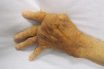
Arthritis
Inflammation of the joints of the body. Either osteoarthritis (a degenerative bone disease involving loss and calcification of joint cartilage, so that the bones formerly cushioned by gristle now grind together, are painful, and become inflamed) or rheumatoid arthritis, a chronic and increasingly worsening inflammation of the joints from an unknown cause (believed to be…
-

Arthralgia
Is pain in the joints from many possible causes. Pain in one or more of the joints. Pain experienced in a joint as a symptom of a disease or condition. Arthralgia is the medical term used when there is pain in a joint with no signs of localized inflammation or arthritis. Arthritis refers to a…
-
Arteriosclerosis
Imprecise term for various disorders of arteries, particularly hardening due to fibrosis or calcium deposition, often used as a synonym for atherosclerosis. Condition of blood vessels that have thickened, hardened, lost their elasticity due to age or the buildup of fatty plaques along the vessel walls. An arterial disease in which the blood vessel walls…