Category: I
-
Intestinal pseudo-obstruction
Intestinal pseudo-obstruction (IPO) is a congenital digestive disorder resulting from the inability of the intestines to move food through the digestive tract. The intestine may be abnormally formed, and peristalsis (involuntary wave-like contractions that propel food through the digestive system) is absent or lacking. This condition resembles a true obstruction of the intestine, but no…
-
Insatiable child syndrome
Insatiable child syndrome is characterized by a chronic inability to be satisfied. Usually the child craves specific foods, certain activities, attention from others, or material goods. The child’s insatiability may be organic or could be learned, such as when humiliating experiences leave the child feeling useless and craving for the attention of others.
-
Inhalant abuse
Inhalant abuse involves the voluntary inhalation of gases or fumes in an effort to achieve an intoxicated state. These substances include many household products that are legal to buy and possess, including such things as airplane glue, nail polish remover, and propellants used in certain commercial products, such as whipped cream dispensers. Generally, the vapors…
-
Infantile hypercalcemia
Infantile hypercalcemia, or Williams syndrome, is a congenital disorder that affects a child’s cognitive, physical, and behavioral development. It has been linked to the absence of genetic material on Chromosome 7. The deletion of portions of this chromosome, where elastin is made, results in many of the physical features seen in Williams syndrome.
-
Incontinentia pigmenti
Incontinentia pigmenti (IP) is a rare, hereditary disorder with abnormalities in the skin, skin derivatives (hair, nails, and teeth), eyes, skeleton, and nervous system. The original cases were described in 1925 and occurred in twin sisters. Since then, several hundred affected individuals have been reported.
-
Iga nephropathy
IgA nephropathy (IgAN) is an endochrine (renal) disorder of unknown cause. IgAN occurs when deposits of the protein immunoglobulin A (IgA) enter the kidneys. The IgA protein interrupts the filtering process of the kidneys, causing blood and protein to build in the urine and resulting in swelling of the feet and hands. As this condition…
-
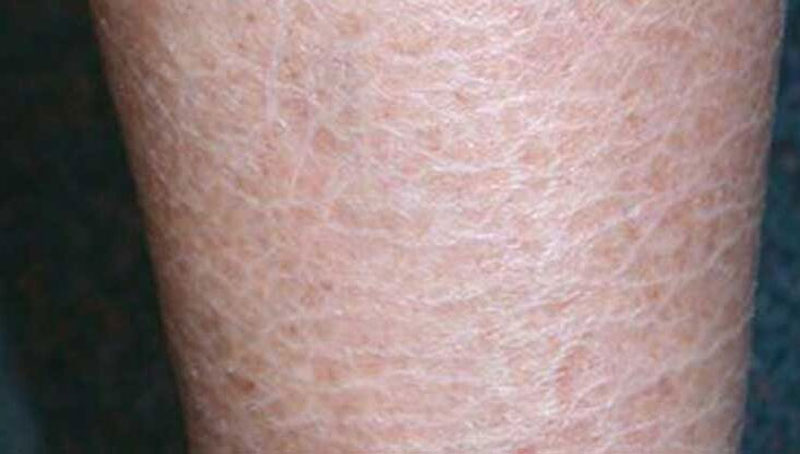
Ichthyosis vulgaris
Ichthyosis vulgaris (IV) is one of a heterogeneous group of disorders of skin cornification or keratinization (the process in which skin cells are produced and eventually shed). It is typified by a specific pattern of scaling of the skin and a unique form of inheritance. A condition characterized by dry, rectangular scales on the skin…
-
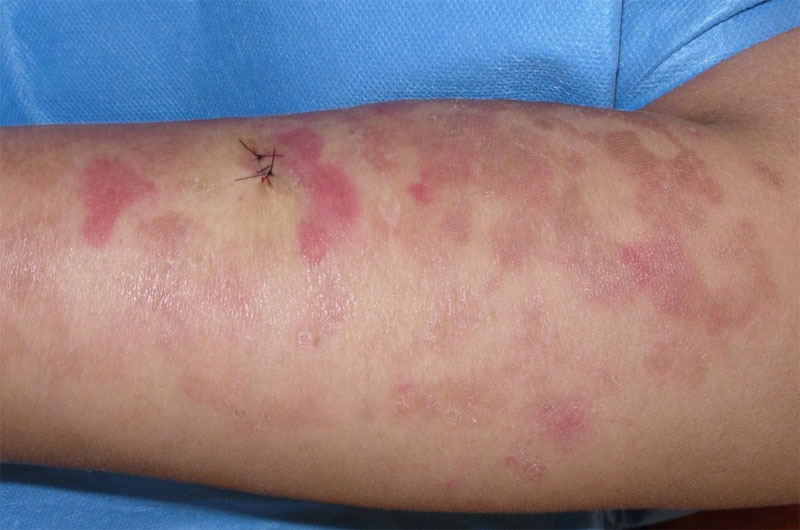
Ichthyosis erythrokeratodermia variabilis
Ichthyosis erythrokeratodermia variabilis (IEV) is one of a diverse group of disorders of skin keratinization (the process in which skin cells form and are eventually shed). It is distinguished from the other members of the ichthyosis group by its unique clinical features and pattern of inheritance.
-
Ichthyosis congenita
Ichthyosis congenita is an inherited skin disorder characterized by generalized dry and rough skin. All babies who suffer from an autosomal recessive congenita ichthyosis are collodion babies at birth. Collodion babies are born with a translucent or opaque membrane that covers the entire body and lasts for days to weeks. Congenita ichthyosis presents on a…
-
Intravascular water
The intercellular water within the blood vessels is considered the intravascular water. Adequate intravascular water is critical for health as well as efficient cardiac function during exercise.